

Waste management is a vital skill that you can learn to help protect the environment. By understanding how to reduce, reuse, and recycle, you can significantly decrease the amount of trash that ends up in landfills. This not only benefits the planet but also promotes a cleaner, more sustainable community. Improper waste disposal can lead to pollution and health risks, so it's vital to know the right practices. By taking small steps in your daily life, you can make a positive impact and inspire others to follow your lead.
Key Takeaways:
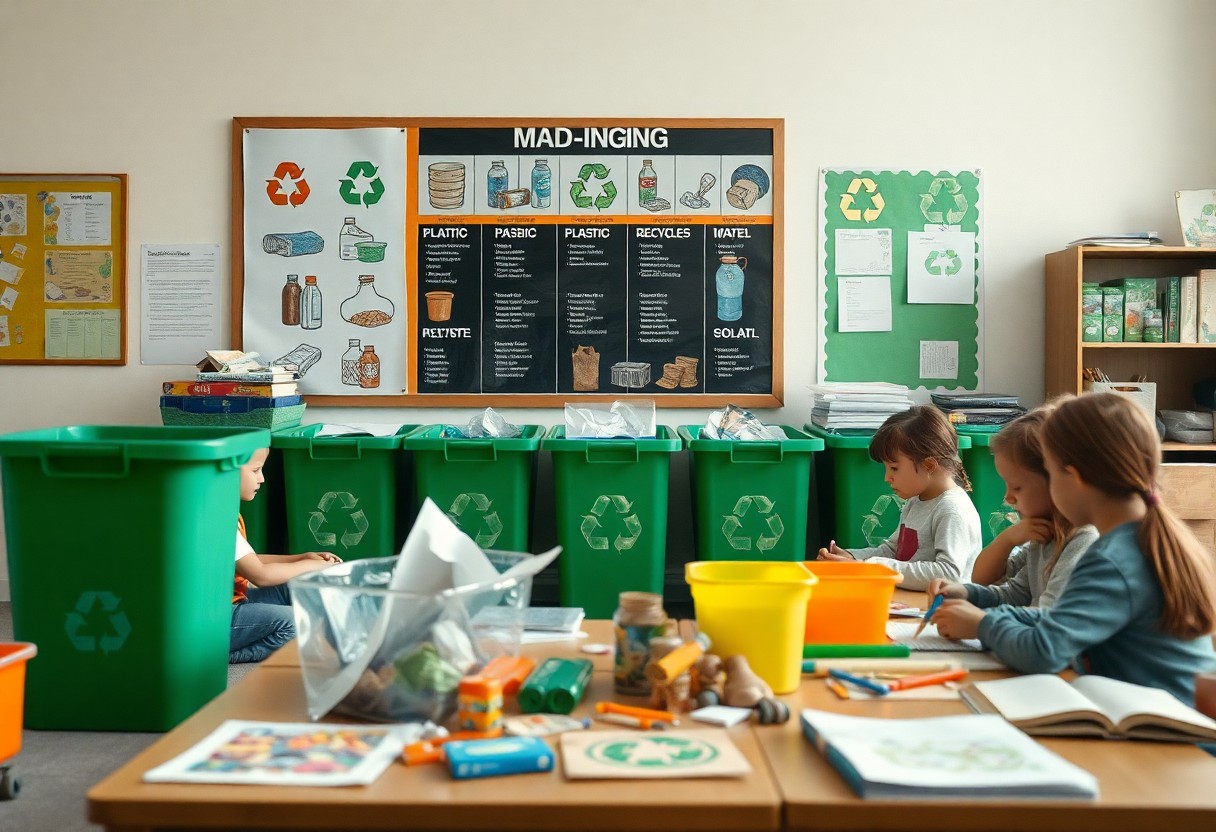
- Understanding the importance of reducing, reusing, and recycling.
- Learning about different types of waste and their impact on the environment.
- Participating in local clean-up events and recycling programs.
- Encouraging creative ways to repurpose everyday items.
- Building habits that support sustainable living from a young age.
The Ripple Effect: Why Waste Management Matters for Future Generations
Your actions today shape the world for future generations. Effective waste management ensures cleaner environments, healthier ecosystems, and a sustainable planet. By reducing waste now, you contribute to a legacy of responsible consumption and foster a culture of sustainability. This ripple effect influences not just your community but extends globally, as everyone learns that small, individual choices can lead to significant positive changes over time.
Environmental Impacts of Waste Mismanagement
Waste mismanagement leads to severe environmental consequences, including pollution, habitat destruction, and greenhouse gas emissions. Landfills emit harmful toxins and degrade soil quality, while improper disposal of plastics harms marine life and ecosystems. For instance, studies show that over 8 million tons of plastic enter oceans each year, endangering wildlife and polluting waterways. These environmental issues directly affect your health and the health of the planet.
Social and Economic Benefits of Responsible Waste Practices
Embracing responsible waste practices brings tangible social and economic advantages, including job creation, community engagement, and savings in waste disposal costs. Communities that prioritize recycling programs enhance local economies, opening new avenues for green jobs. Additionally, involving citizens in waste management initiatives fosters a sense of unity and responsibility, encouraging collaboration and shared goals toward sustainability. This not only improves community pride but also reduces the financial burden of waste management over time.
For instance, cities that invest in comprehensive recycling and composting programs have seen reductions in landfill expenses by approximately 30%. Moreover, these programs often lead to job creation in recycling facilities and environmental education initiatives, significantly bolstering local economies. Engaging students in these practices cultivates future leaders who will champion sustainability, creating a cycle of responsibility and accountability that benefits everyone in the long run.
Waste and You: Understanding Types and Sources
Understanding different types of waste and their sources helps you become a responsible citizen. Waste can be classified mainly into organic, recyclable, and non-recyclable categories. Common sources include your home, schools, and local businesses. An effective waste management strategy involves not only sorting your waste but also minimizing its generation in the first place. Thou should always consider how each action can create a ripple effect on the environment.
| Type | Description |
| Organic | Compostable materials like food scraps and yard waste. |
| Recyclable | Materials such as plastic, glass, and paper that can be processed again. |
| Non-recyclable | Items that cannot be recycled, leading to landfill. |
| Hazardous | Products like batteries and chemicals that require special handling. |
| Electronic | Devices like computers and phones that need responsible disposal. |
Common Household Waste: What Kids Should Know
Every home produces a variety of waste, primarily from food, packaging, and daily activities. You can identify common items like plastic bottles, food wrappers, and newspaper. Understanding the volume and type of waste generated in your household empowers you to adopt better practices, such as using reusable alternatives. A simple inquiry into your family's waste disposal habits can highlight areas for improvement.
Uncovering Hidden Waste: The Impact of Packaging and Non-Recyclables
Packaging is a major contributor to your household waste, often going unnoticed in daily life. Many products come in excess plastic or non-recyclable materials, making it harder for you to manage waste. Items like chip bags or fast food containers may seem harmless but pile up quickly. Awareness of these hidden wastes can significantly enhance your ecological footprint, fostering more conscious consumer choices.
Sneaky packaging can often lead to an overwhelming amount of waste. For instance, over 300 million tons of plastic are produced annually, with a significant portion ending up in landfills or oceans. The majority of disposable packaging is non-recyclable, leaving you with limited options for responsible disposal. Examining what you buy can help you shift toward products with minimal or recyclable packaging. Choosing goods packed in biodegradable materials or opting for bulk purchases can greatly reduce hidden waste. Every small change can contribute to a healthier planet and yourself. Thou can be an agent of change by opting for smarter purchasing and responsible disposal methods.
Turning the Tables: Simple Actions Kids Can Take
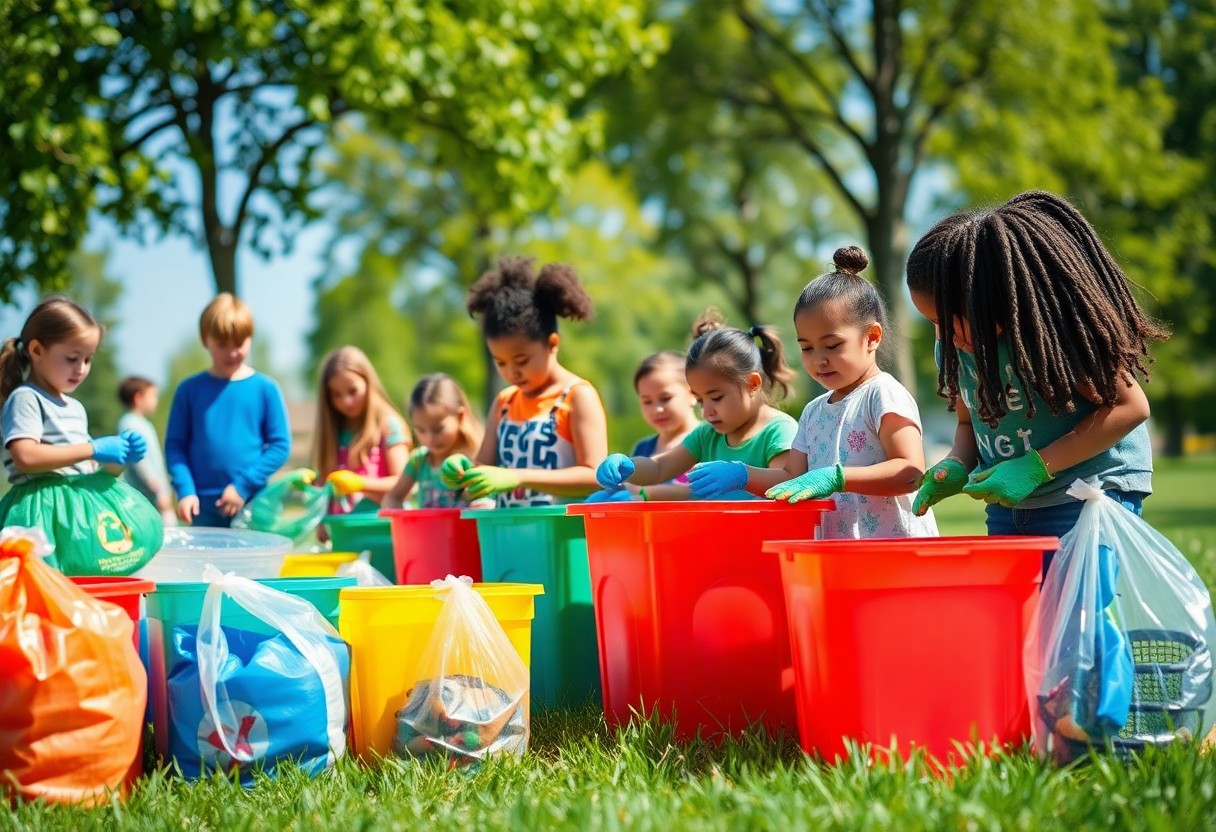
Every child can make a difference in their community through small, impactful actions. Simple changes, like carrying reusable lunch boxes or bringing water bottles instead of single-use plastics, can significantly reduce the amount of waste generated daily. Encouraging your friends to participate in local clean-ups, starting a recycling club, or creating art from recycled materials are great ways to spread awareness. Making a commitment to waste reduction not only helps the planet but fosters a sense of responsibility and teamwork among peers.
The Power of Reduction: Practical Tips for Minimizing Waste
Focusing on waste reduction starts with making conscious choices in your daily life. Opt for products with minimal packaging, and prioritize buying in bulk to cut down on unnecessary materials. You can also support local farmers' markets for fresher produce that reduces transportation waste. Other tips include:
- Choose reusable over disposable items.
- Select durable products that last longer.
- Think twice before purchasing new items.
- Use digital formats instead of paper whenever possible.
Any action you take counts toward making a greener future.
The Art of Recycling: How to Do It Right
Understanding recycling helps you sort materials properly and avoid common mistakes. Always check local guidelines, as recycling rules can vary. For instance, rinsing out food containers can ensure recyclables don't contaminate other materials. Simple items like paper, plastics (marked with recycling codes), and metals are easy to recycle, but things like pizza boxes or greasy containers should go in the trash. Knowing what's recyclable in your area maximizes what can be reused.
Sorting recyclables accurately is key to effective recycling. Many items mistakenly considered recyclable, like plastic bags or certain food containers, can disrupt the recycling process. Each recycling center has specific requirements; for example, clean glass jars, cardboard boxes, and clean aluminum cans are typically accepted. Familiarize yourself with local guidelines, as they may specify the preferred types of plastics or whether certain items need to be rinsed. Encourage your friends to learn alongside you, transforming recycling from a chore into a collective effort for a cleaner environment.
Creative Solutions: Engaging Activities for Young Environmentalists
Encouraging creativity while promoting sustainability is an effective way to engage young environmentalists. You can integrate fun activities that inspire kids to think outside the box about waste management. Consider organizing workshops that let children brainstorm innovative solutions to waste reduction, such as developing their own recycling campaigns or hosting art contests using recyclable materials. These activities not only cultivate creativity but also reinforce the importance of being mindful of our environment.
Fun DIY Projects Using Recycled Materials
Transforming everyday waste into art is a fantastic way to teach kids about recycling. You can guide your child in creating unique DIY projects using items like plastic bottles, cardboard boxes, and old clothes. Making bird feeders from milk cartons or planters from tin cans not only sparks imagination but also emphasizes the value of reusing materials. Such projects help children visualize how discarded items can find new life, turning waste into delightful creations.
Community Involvement: Organizing School Clean-Up Days
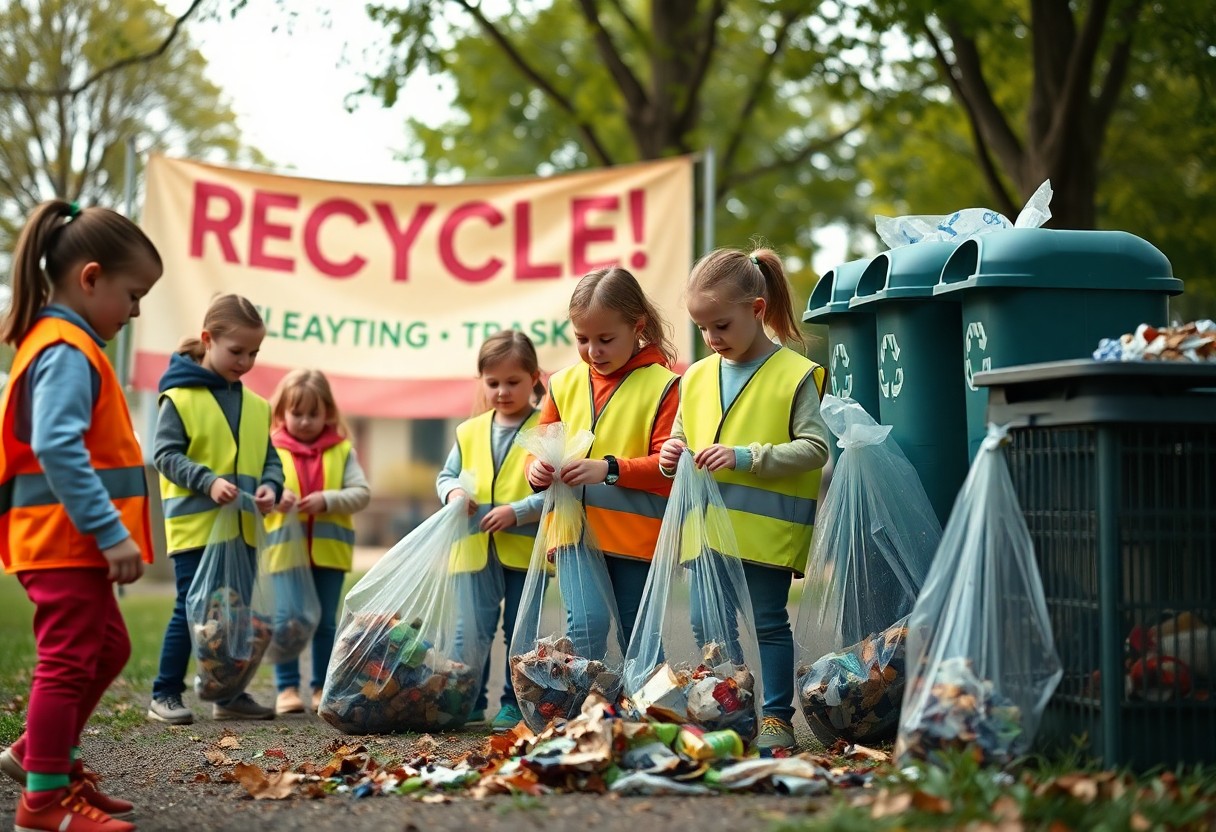
Planning school clean-up days allows kids to take part in tangible environmental action. You can collaborate with teachers and local organizations to arrange these events, making them both educational and fun. By gathering your classmates to pick up litter in local parks or school grounds, you contribute to a cleaner environment while learning about the impact of waste. Creating a friendly competition can further motivate students and improve participation rates.
For a successful clean-up day, coordination is key. You'll want to choose a suitable date, secure necessary permissions, and gather supplies like gloves and trash bags. Promote the event through school announcements, posters, and social media to ensure widespread awareness. Engaging local businesses for sponsorship or rewards can add an extra incentive for participation. Everyone involved will not only contribute to beautifying the local area but also develop a deeper understanding of the importance of reducing waste and protecting the environment.
Inspiring Change: Role Models and Success Stories
Learning about individuals and groups who have successfully tackled waste management inspires young minds to embrace environmentalism. These role models demonstrate that every effort counts and ignite a passion for change. From grassroots initiatives to large-scale projects, stories of success dispel the notion that waste management is solely an adult responsibility. You can draw motivation from these examples to lead your peers toward a cleaner, more sustainable planet.
Young Environmental Activists Making a Difference
Numerous young activists are championing the fight against waste, proving that age doesn't limit impact. Take, for instance, 15-year-old Bella Lack, who spearheaded projects to reduce plastic use within her community, engaging hundreds of students in clean-up efforts. Your actions, inspired by such role models, can lead to significant change in local environments.
Schools Leading the Way with Innovative Waste Programs
Many schools have adopted innovative waste programs that not only reduce waste but also educate students. For example, schools with recycling clubs and composting initiatives encourage students to take active roles in their communities. These programs have shown success, with some schools reporting a 50% reduction in waste output after just one year. Each of these initiatives provides you with a hands-on approach to learning about sustainability while fostering collaboration and leadership skills.
Schools are increasingly implementing programs focused on reducing waste through education and hands-on involvement. Projects such as “Waste-Free Wednesdays” or “Zero Waste Week” not only challenge students to minimize their waste but also facilitate discussions about environmental responsibility. Some institutions have even partnered with local organizations to set up weekly recycling drives, allowing you to actively participate in making a measurable difference. These innovative practices create a culture of sustainability that empowers you and your peers to be custodians of the environment from an early age.
Conclusion
Hence, understanding waste management empowers you to make a positive impact on your environment. By adopting simple practices like recycling, composting, and reducing waste, you contribute to a cleaner planet for everyone. Your efforts not only reduce landfill waste but also promote sustainability within your community. Embrace these habits and encourage your friends and family to join you, as collective action fosters a healthier world for future generations.
FAQ
Q: What is waste management?
A: Waste management is the process of collecting, transporting, and disposing of waste materials safely and efficiently. It helps to keep our environment clean and healthy.
Q: Why is recycling important?
A: Recycling is important because it reduces the amount of waste sent to landfills, conserves natural resources, and saves energy. It also helps to decrease pollution and protect the environment.
Q: How can kids contribute to waste management at home?
A: Kids can contribute by sorting recyclables from regular trash, composting food scraps, using reusable bags and containers, and spreading awareness about keeping the environment clean.
Q: What are the three R's of waste management?
A: The three R's are Reduce, Reuse, and Recycle. Reducing means using less, reusing involves finding new ways to use items, and recycling is turning waste materials into new products.
Q: What items can be recycled?
A: Commonly recycled items include paper, cardboard, glass bottles, aluminum cans, and certain plastics. It is important to check local recycling guidelines for specifics.
Q: What is composting and how can kids get involved?
A: Composting is the process of turning organic waste, like fruit and vegetable scraps, into nutrient-rich soil. Kids can help by collecting compostable materials, keeping a compost bin, and learning about the benefits of healthy soil.
Q: How can schools promote waste management for kids?
A: Schools can promote waste management by organizing recycling programs, hosting clean-up events, teaching lessons about sustainability, and encouraging students to create projects focused on environmental awareness.