

Many homeowners underestimate the impact of proper waste management on the environment and their health. By implementing effective practices, you can significantly reduce landfill waste, conserve natural resources, and promote community well-being. Understanding how to categorize recyclables, compost organic materials, and dispose of hazardous waste can transform your household's waste footprint. Adopting these strategies not only benefits the planet but also enhances your personal responsibility towards achieving sustainability.
Key Takeaways:
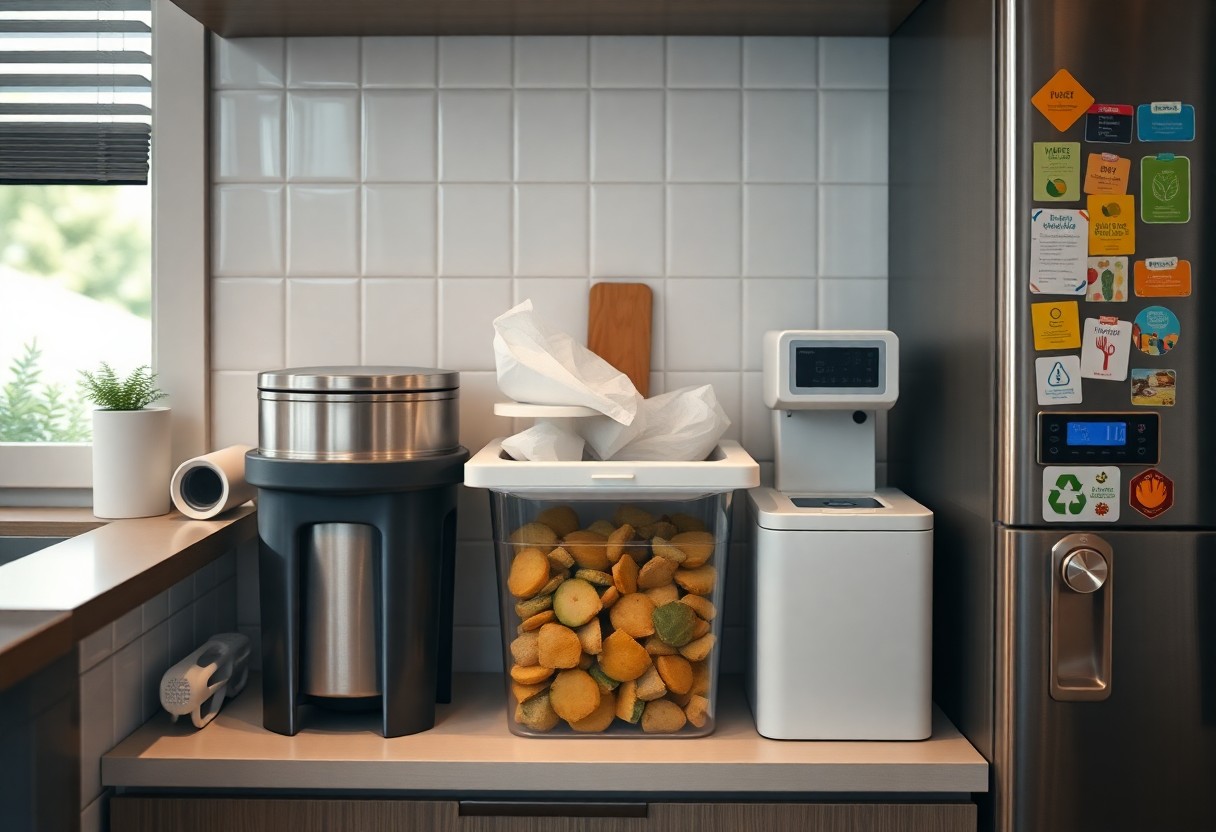
- Implement separate bins for recyclables, compost, and general waste to streamline disposal.
- Reduce waste by opting for reusable items instead of single-use products.
- Regularly check local guidelines for waste disposal and recycling rules.
- Engage all household members in waste management practices to promote accountability.
- Consider upcycling or donating items that are no longer needed instead of discarding them.

The Environmental Impact of Household Waste
Your household waste significantly affects the environment, contributing to problems like pollution, resource depletion, and habitat destruction. Every item discarded has a journey, often ending in landfills or incineration, releasing harmful substances and greenhouse gases. You may not realize that proper waste management can significantly reduce your ecological footprint and promote a more sustainable lifestyle.
Uncovering the Pollution Crisis
The growing volume of household waste leads to severe pollution issues, affecting air, water, and soil quality. Landfills emit toxins while organic waste decays, producing methane, a powerful greenhouse gas. Moreover, improper disposal of hazardous materials can contaminate local ecosystems, endangering wildlife and human health.
The Role of Landfills and Resource Consumption
Landfills occupy vast spaces and consume resources, generating emissions that contribute to climate change. Your household waste not only fills these sites but also represents a lost opportunity; recyclable materials take energy and raw resources to produce, emphasizing the need for efficient waste management practices.
Landfills alone contributed to over 80 million tons of methane emissions globally in 2019, underlining the urgent need for improved waste disposal methods. As your waste decomposes in landfills, it also leaches toxic substances into the soil and groundwater, exacerbating public health risks. Choosing recycling and composting instead of landfill disposal can significantly lower your waste's environmental footprint, promote sustainability, and conserve valuable resources. Transitioning to a circular economy where materials are reused will curtail the allocated land for waste and reduce the strain on natural resources required for new products.
Essential Strategies for Effective Waste Sorting
Effective waste sorting begins with understanding the different categories of waste—recyclables, compostables, and trash. By dividing your waste into these groups, you can significantly reduce landfill contributions and boost recycling rates. Assess your household's waste, and label bins clearly, making it easy for every family member to participate. Frequent reminders about proper sorting help maintain consistency and set a positive example for sustainability.
How to Create a Home Recycling System
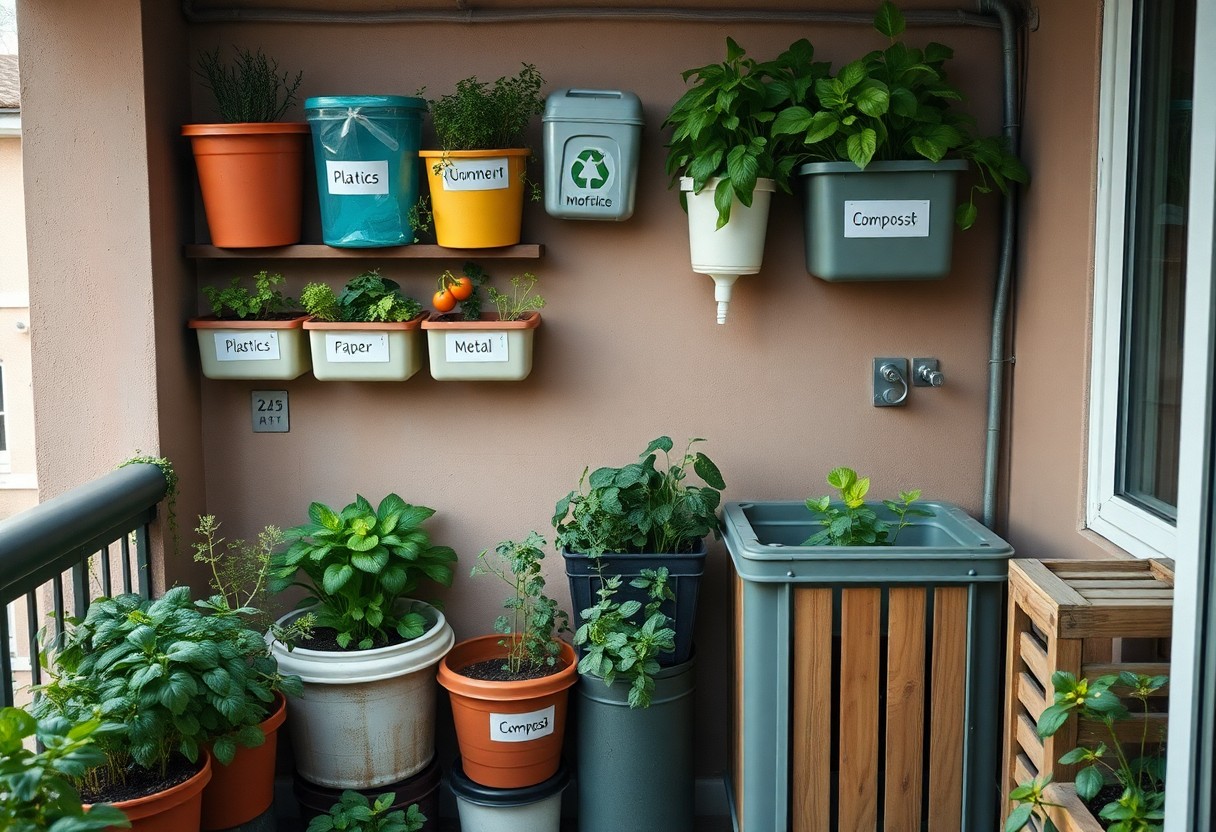
Setting up a home recycling system involves designating specific bins for different recyclable materials like paper, plastics, metals, and glass. Place these bins conveniently in high-traffic areas and ensure they are clearly labeled. Regularly schedule recycling day, so it becomes a part of your routine, driving awareness and commitment to reducing waste sent to landfills.
Composting: Turning Organic Waste into Gold
Composting transforms your kitchen scraps and yard waste into valuable fertilizer for your garden. By collecting organic materials like fruit peels, vegetable scraps, and grass clippings, you can create a nutrient-rich compost that enriches soil. This process significantly reduces methane emissions from landfills and encourages waste reduction in your household.
To start composting, choose an outdoor bin or create a designated spot in your yard for a compost pile. Aim for a balance of green materials, like nitrogen-rich food scraps, and brown materials, such as dry leaves and cardboard, in a 2:1 ratio. Keep it aerated by turning the pile regularly to expedite decomposition. Within a few months, you'll see the transformation into dark, crumbly compost ready to nourish your plants and garden beds, effectively closing the loop on organic waste and enhancing your home's sustainability efforts.
Innovative Solutions for Reducing Household Waste
Emerging strategies to minimize household waste focus on sustainability and creativity. Implementing technologies such as composting systems and recycling apps can dramatically lower the amount of waste sent to landfills. Community initiatives like sharing exchanges and repair cafes encourage resourcefulness, allowing you to repair rather than dispose of unwanted items. Additionally, your investment in durable products fosters a circular economy, where you can prioritize durability and repairability over single-use items. Adopting these innovations helps reduce your ecological footprint.
The Rise of Zero-Waste Living
Zero-waste living emphasizes the reduction of your household's waste to the bare minimum, focusing on the mantra "refuse, reduce, reuse, recycle, and rot." As consumers become increasingly aware of their environmental impact, this lifestyle promotes practices such as buying in bulk, using reusable containers, and composting organic materials. By adopting zero-waste principles, you not only lessen your contribution to landfill overflow but also inspire others to embrace a more sustainable, mindful approach to consumption.
Practical Tips for Minimalist Shopping
Engaging in minimalist shopping involves a conscious choice to prioritize quality over quantity. Before purchasing, assess your true needs to avoid impulse buys. Focus on sustainable brands that emphasize longevity and ethical practices, and always carry a reusable bag for convenience. The 'one in, one out' rule can help maintain balance; for every new item you bring home, consider donating or recycling an existing one. After implementing these habits, you'll notice a reduction in clutter and waste.
- quality over quantity
- sustainable brands
- one in, one out
Shopping mindfully means paying attention to your consumption habits. Before making any purchase, pause to consider if an item genuinely adds value to your life. Choose multi-functional items that serve several purposes, reducing the need for excess possessions. Explore local stores that offer bulk purchasing options to minimize packaging waste. Building relationships with community producers can also create accountability for your shopping choices. After adopting these practices, your shopping routine will contribute positively to waste reduction.
- multi-functional items
- bulk purchasing
- community producers
Engaging the Community in Waste Management
Community involvement plays a vital role in enhancing waste management efforts. Engaging local residents fosters a sense of responsibility and ownership toward waste reduction initiatives. By organizing workshops, distributing informational materials, and executing community-driven clean-up days, you can inspire action within your neighborhood. Sharing success stories and practical tips through social media channels or community boards can further encourage involvement, while local competitions and recognition programs promote friendly engagement and motivation among residents.
Building Neighborhood Recycling Initiatives
Creating neighborhood recycling initiatives empowers you and your neighbors to take charge of waste management collectively. Establish drop-off points for recyclables or coordinate regular collection events. Setting up a community recycling challenge can increase participation and showcase your collective impact. You might also explore partnerships with local businesses to provide incentives for recycling, thereby reinforcing the importance of sustainable habits while strengthening community ties.
Collaborating with Local Governments for Sustainable Practices
Working alongside local governments enhances the efficiency and reach of your waste management efforts. By participating in municipal programs, you can gain access to resources, such as educational materials and funding for community projects. This collaboration can also lead to tailored waste management strategies that meet the specific needs of your neighborhood. Engaging in forums or town hall meetings allows you to voice your ideas and influence local policy regarding waste management.
Collaborating with local governments can involve establishing a partnership that integrates community feedback into waste management policies. You may participate in regular meetings with local officials to discuss best practices, propose new initiatives, or share data on waste reduction successes. Such cooperation enables the development of programs that resonate with your community, ensuring stronger participation rates and a more effective waste management framework. Additionally, securing local grants can provide funding for specific projects, amplifying your neighborhood's initiative's impact.
The Future of Home Waste Management
Anticipating advancements in waste management at home reveals a landscape increasingly characterized by sustainability and efficiency. As households adapt, innovative practices such as increased recycling, composting, and smart waste sorting are likely to become mainstream. Your engagement with community initiatives and new technologies will shape how waste is processed, aiming for a circular economy that minimizes landfill use and maximizes resource recovery.
Emerging Technologies and Their Potential Impact
Emerging technologies promise to revolutionize household waste management by enhancing your ability to sort and recycle effectively. Smart bins, equipped with sensors to identify waste types and monitor levels, can optimize collection schedules and streamline recycling processes. Additionally, advancements in artificial intelligence are enabling sophisticated waste sorting systems that minimize contamination, allowing for more materials to be recycled effectively.
Policy Changes That Could Transform Our Waste Practices
Stricter regulations and creative policies can significantly enhance your waste management habits at home. Initiatives like pay-as-you-throw schemes incentivize reducing waste production, while mandatory recycling laws encourage compliance. Furthermore, incorporating incentives for composting and donating usable items can reshape community perspectives on waste, fostering a culture of sustainability.
Policy changes can fundamentally reshape your waste management practices, presenting opportunities for more responsible disposal and recycling. For instance, implementing a national zero-waste goal could lead to a systematic overhaul of existing waste management systems. Such policies, inspired by successful international models, may incorporate universal accessibility to recycling programs and education on waste reduction. By fostering a culture of shared responsibility, these changes empower you to contribute actively, ensuring that waste not only becomes a resource but also minimizes environmental impact.
To wrap up
The effective waste management for your home is crucial for promoting a healthier environment and reducing landfill contributions. By implementing practices such as recycling, composting, and proper disposal of hazardous materials, you can significantly decrease waste impact. Engaging the family in these processes not only fosters responsibility but also enhances sustainability in your daily life. Regularly evaluating your waste habits will help you identify areas for improvement, ensuring that you contribute positively to your community and the planet.
FAQ
Q: What is waste management for homes?
A: Waste management for homes refers to the practices involved in the collection, treatment, and disposal of household waste to minimize environmental impact.
Q: How can I reduce waste in my home?
A: To reduce waste, consider practices such as composting organic materials, recycling paper and plastic, purchasing in bulk, and avoiding single-use products.
Q: What type of waste can be recycled?
A: Common recyclable materials include paper, cardboard, glass bottles, aluminum cans, and certain plastics. It's important to check local recycling guidelines for specific items.
Q: How can I properly dispose of hazardous waste?
A: Hazardous waste, such as batteries, paint, and chemicals, should be disposed of at designated collection sites or special drop-off events organized by local authorities.
Q: What is composting and how can I start?
A: Composting is the natural process of recycling organic matter, such as food scraps and yard debris, into a rich soil amendment. To start, create a compost bin and add green materials (nitrogen-rich) and brown materials (carbon-rich), regularly aerating the pile.
Q: What are the benefits of efficient waste management at home?
A: Efficient waste management reduces landfill contributions, conserves resources, lowers greenhouse gas emissions, and can save money on disposal costs while promoting a healthier environment.
Q: How do I educate my family about waste management?
A: Educate your family by organizing activities like recycling challenges, creating a composting station together, and discussing the environmental impact of waste. Use visual aids and resources to reinforce learning.