

Most restaurant owners overlook the significance of effective waste management, which can lead to financial loss, regulatory fines, and a negative impact on your brand's reputation. By implementing a structured waste management plan, you can reduce food waste, improve efficiency, and promote sustainability in your operations. This not only enhances your profit margins but also positions your restaurant as a responsible choice for environmentally conscious consumers. Prioritizing waste management will transform how you handle waste and elevate your business in the competitive foodservice landscape.

Key Takeaways:
- Implement a waste segregation system to separate recyclables, compostables, and landfill waste.
- Establish portion control to minimize food waste and optimize inventory management.
- Partner with local farms or composting services to divert organic waste from landfills.
- Educate staff on waste management practices to ensure compliance and efficiency.
- Regularly evaluate waste management processes for continuous improvement and cost reduction.
The Financial Impact of Waste Management Practices
Effective waste management directly impacts your restaurant's bottom line. By implementing sustainable practices, you can significantly lower disposal costs, reduce overhead, and improve efficiency. Establishing a waste reduction strategy not only enhances your operational sustainability but also boosts your brand image, attracting eco-conscious customers willing to pay a premium for responsible dining choices.
Cost Analysis of Waste Disposal Methods
Evaluating your current waste disposal methods reveals potential savings. For example, switching from traditional landfill disposal to composting can cut costs by up to 50%. Additionally, understanding the cost of waste hauler contracts allows you to negotiate better rates or even explore alternative disposal options that align with your sustainability goals.
The Revenue Potential of Reducing Food Waste
By reducing food waste, your restaurant can tap into a significant revenue potential. Implementing practices like portion control, inventory tracking, and utilizing leftover ingredients can lead to substantial financial gains. Studies show that restaurants can save approximately $20,000 annually by minimizing food waste, making it a smart investment for any establishment.
Engaging in food waste reduction strategies not only slashes expenses but also contributes to profitability. For instance, a restaurant that adopts a "zero waste" approach can repurpose surplus ingredients into new dishes, effectively increasing menu offerings without significant additional costs. This innovation not only attracts customers but also enhances your reputation as a sustainable dining option, ultimately driving revenue growth. Embracing these methods positions you to thrive while making a positive environmental impact, creating a win-win scenario for your business and the planet.
Innovative Waste Reduction Strategies for Restaurants
Exploring innovative waste reduction strategies can significantly enhance your restaurant's sustainability while cutting costs. By adopting modern techniques and technologies, you can minimize waste, engage your staff, and ultimately create a more efficient operation. Implementing systems that prioritize both environmental health and profitability not only attracts eco-conscious customers but also sets you apart from competitors.
Implementing Inventory Management Systems
Utilizing inventory management systems allows you to track stock levels, reduce overordering, and prevent spoilage. These digital tools provide real-time insights into product usage and expiration dates, enabling you to optimize purchases and adjust menus accordingly. By keeping a keen eye on inventory, you tighten your cost controls and increase your kitchen's efficiency.
Embracing Food Recovery Programs
Participating in food recovery programs not only minimizes waste but also contributes positively to your community. You can redirect surplus food to local shelters or food banks, ensuring that edible items do not go to waste. Establishing partnerships with organizations dedicated to food rescue reinforces your commitment to sustainability and can enhance your restaurant's reputation.
Food recovery programs can significantly impact both your waste management practices and community relations. For instance, you may consider partnering with a local nonprofit aimed at alleviating hunger, increasing the amount of food saved from landfills. Statistics indicate that nearly 40% of food produced in the U.S. goes uneaten, highlighting the potential for your restaurant to contribute positively by salvaging food that is still safe for consumption. Implementing a structured recovery initiative not only conserves resources but can also earn your establishment social recognition and tax benefits, reinforcing your brand's commitment to environmental responsibility.

Green Certifications: Standing Out in a Competitive Market
The Benefits of Sustainable Restaurant Certifications
Obtaining sustainable restaurant certifications can significantly elevate your brand's reputation in a crowded market. Certification not only displays your commitment to environmental stewardship but also attracts eco-conscious customers seeking establishments that align with their values. Studies have shown that 66% of consumers are willing to pay more for sustainable businesses, highlighting the potential for increased revenue. Additionally, certified restaurants often experience improved operational efficiencies, leading to lower costs and enhanced customer loyalty.
Navigating Certification Processes and Requirements
Understanding the certification process can initially seem daunting, but breaking it down into manageable steps simplifies the journey. Each certification, such as LEED or Green Restaurant Association, has specific standards and documentation prerequisites, so you should thoroughly review their guidelines. Additionally, many organizations offer resources, workshops, and consulting services that can aid in meeting these requirements effectively. Establishing a timeline and assigning responsibilities within your team can ensure a smoother certification application process.
Familiarizing yourself with each certification's standards is key to navigating the requirements. For instance, the Green Restaurant Association outlines criteria covering waste reduction, energy efficiency, and sustainable sourcing. You should gather necessary documentation early, as this often includes proof of energy audits, percentage of composted waste, and sustainable product sourcing ratios. Engaging your staff in sustainability initiatives can streamline the process, as their commitment boosts morale and reinforces the operational changes needed for certification. Consider leveraging technology, such as apps for tracking waste, to make data collection easier and more efficient.
Leveraging Technology for Efficient Waste Management
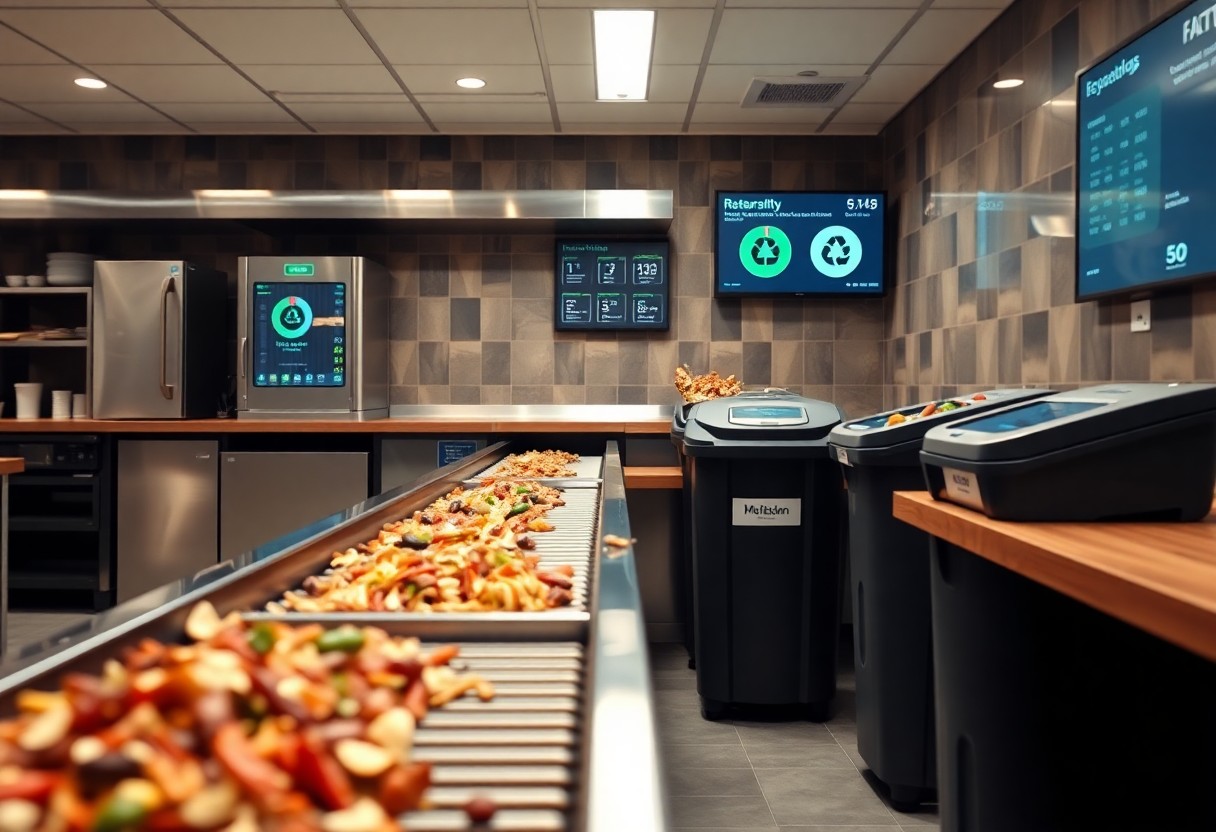
Utilizing technology in waste management transforms how you handle and minimize waste in your restaurant. Smart solutions such as sensor-equipped bins can monitor waste levels in real-time, ensuring timely pickups and preventing overflow. Implementing data analytics helps in identifying waste patterns, allowing you to make informed decisions, reduce costs, and enhance sustainability. The integration of these technologies not only optimizes operations but also builds a positive brand image as an environmentally conscious establishment.
Utilizing Smart Waste Sorting Solutions
Smart waste sorting solutions streamline the recycling process by utilizing advanced sensors and AI algorithms to automatically categorize waste materials. These systems can help your restaurant significantly reduce contamination rates in recycling bins, increasing the quality of recyclables. By deploying such technology, you not only save labor costs associated with manual sorting but also enhance your sustainability efforts and compliance with local recycling regulations.
The Role of Apps in Tracking and Reducing Waste
Apps designed specifically for waste management allow you to monitor waste generation and disposal practices in real time. These applications can provide valuable insights into your restaurant's waste production patterns, enabling you to identify areas for improvement. By integrating these tools into your operations, you can set benchmarks and track progress, ultimately leading to a dramatic reduction in waste and associated costs.
Tracking waste through apps can enhance your operational efficiency significantly. For example, platforms such as Waste Logics or Food Waste Tracker provide analytics dashboards that visualize waste data, helping you uncover critical trends. By observing daily, weekly, or monthly waste levels, you can pinpoint specific menu items that contribute most to waste. This data will empower you to make proactive menu alterations or adjust portion sizes, leading to a more efficient, cost-effective, and sustainable kitchen management system.
Cultivating a Sustainable Culture Among Staff
Building a sustainable culture within your restaurant begins with creating awareness and enthusiasm among your staff about waste management. Engage your employees through regular discussions and initiatives focused on sustainability, making them integral to the process. Sharing success stories and recognizing team contributions fosters a sense of ownership, encouraging everyone to prioritize waste reduction in their daily responsibilities.
Training Employees on Waste Reduction Practices
Effective training on waste reduction practices equips your employees with the knowledge to make informed choices. Implement workshops that cover topics such as sorting waste correctly, minimizing food waste through portion control, and understanding recycling protocols. Incorporating hands-on activities reinforces learning, ensuring that staff can confidently apply sustainable practices in their everyday tasks.
Encouraging Employee Engagement and Accountability
Creating an environment where employees feel responsible for waste management breeds a culture of sustainability. Set clear expectations regarding individual contributions to waste reduction and establish a system for tracking improvements. Highlighting progress through friendly competitions or challenges can motivate staff, making them more invested in achieving waste reduction goals.
Actively involving employees in waste management decisions deepens their commitment to sustainability. Letting staff brainstorm solutions or share success stories reinforces their role in the process and promotes accountability. Consider setting up a reward system that recognizes individuals or teams who significantly reduce waste, which fosters competition and camaraderie among your staff. This collaborative approach not only strengthens community spirit but also drives measurable improvements in your waste management practices.
Conclusion
To wrap up, effective waste management in your restaurant not only enhances operational efficiency but also promotes sustainability and reduces costs. By implementing strategies such as source separation, composting, and regular staff training, you can significantly minimize your environmental impact. Engaging with local waste management services and utilizing technology will further streamline the process. By adopting these practices, you enhance your restaurant's reputation, attract eco-conscious customers, and contribute positively to your community.
FAQ
Q: What are the key components of waste management for restaurants?
A: Key components include waste reduction, recycling, composting, proper disposal methods, staff training, waste audits, and maintaining records of waste generation.
Q: How can restaurants minimize food waste?
A: Restaurants can minimize food waste by optimizing inventory management, using portion control, creating a menu with versatile ingredients, repurposing leftovers, and donating excess food to local charities.
Q: What types of waste should restaurants focus on recycling?
A: Restaurants should focus on recycling paper, cardboard, glass, plastic containers, and metal cans, as well as cooking oil, which can be converted into biofuel.
Q: How can restaurants implement a composting program?
A: Restaurants can implement a composting program by partnering with local composting services, training staff on compostable materials, and setting up designated bins for organic waste.
Q: What are the environmental benefits of proper waste management?
A: Proper waste management reduces landfill waste, minimizes greenhouse gas emissions, conserves resources, and promotes sustainability, supporting a healthier planet.
Q: How often should restaurants conduct waste audits?
A: Restaurants should conduct waste audits at least twice a year to assess waste generation, identify areas for improvement, and track the effectiveness of their waste management strategies.
Q: What can restaurants do to train staff on waste management practices?
A: Restaurants can provide training sessions, create educational materials, implement waste management policies, and encourage staff to participate in sustainability initiatives.