

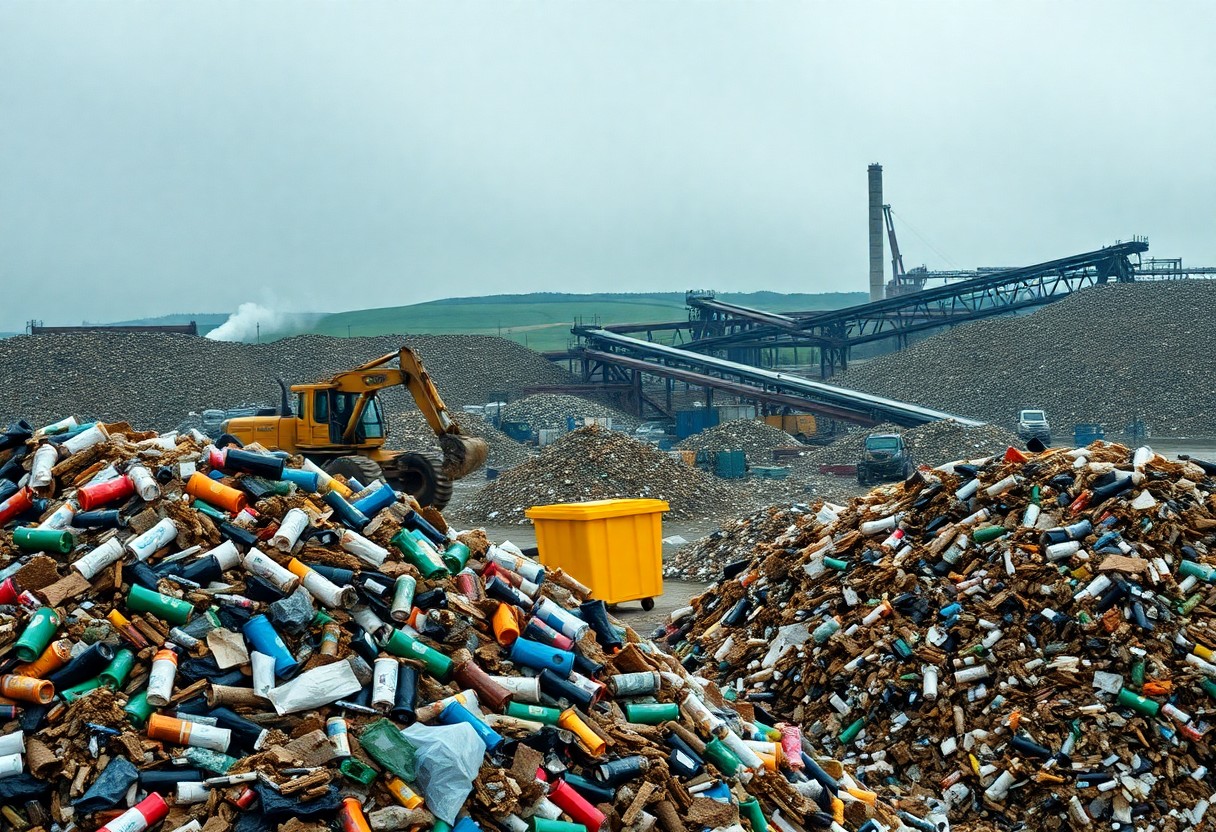
Just as you dispose of your trash, understanding why waste management is vital is critical for maintaining a healthy environment. Effective waste management minimizes the risk of pollution and its harmful effects on your community and wildlife. By implementing proper waste disposal practices, you can help reduce the amount of landfill waste, conserve resources, and promote recycling. Your role in waste management directly influences public health and the sustainability of our planet, making it vital for you to engage in these practices.
Key Takeaways:
- Prevents environmental pollution and protects ecosystems.
- Reduces health risks associated with improper waste disposal.
- Promotes recycling and resource recovery, minimizing landfill use.
- Enhances community cleanliness and quality of life.
- Supports sustainable development and resource conservation efforts.
The Environmental Imperative: Why Waste Management Matters
Effective waste management is imperative to mitigate the harmful effects of waste on the environment. The rising tide of waste threatens land, air, and water quality, contributing to pollution and escalating climate change. Without proper systems in place, contaminants from landfills seep into soil and waterways, creating a cascade of ecological issues. By prioritizing waste management, you protect not only your surroundings but also the broader natural world, fostering a healthier planet for future generations.
The Impact of Waste on Ecosystems
Waste dramatically affects ecosystems, leading to habitat destruction and the exposure of wildlife to toxic materials. Marine environments suffer from plastic pollution, choking marine life and disrupting food chains. Terrestrial wildlife faces similar threats, as landfills and illegal dumping sites create dangerous living conditions. Reducing waste not only preserves natural habitats but also safeguards the intricate balance necessary for diverse ecosystems to thrive.
The Role of Waste Management in Biodiversity Preservation
Waste management plays a vital role in preserving biodiversity, directly impacting the survival of numerous species. By reducing waste generation and promoting recycling, you can minimize land degradation and pollution, which endanger critical habitats. Sustainable waste practices ensure that natural resources are used efficiently, slowing habitat loss and providing safer environments for wildlife to thrive. This preservation of biodiversity is imperative for maintaining ecosystem services, such as pollination and water purification, which ultimately benefit human populations as well.
Implementing effective waste management strategies not only protects various species but promotes ecosystem resilience. For instance, communities that prioritize recycling and composting can significantly cut their waste output, leading to fewer landfills and reduced habitat destruction. Consider that over 1 million marine animals and 700,000 birds die each year due to plastic pollution, highlighting the urgent need for responsible waste practices. By taking an active role in managing waste, you contribute to the safeguarding of biodiversity and the overall health of the planet.
Economic Dynamics: The Cost of Neglecting Waste Management
Neglecting waste management can lead to substantial economic repercussions. You may face increased costs related to health care and environmental remediation, estimated to reach billions annually. Poor waste practices can degrade local property values, deter tourism, and limit business investments. A lack of adequate waste management systems ultimately burdens municipalities, compelling them to allocate scarce resources to manage the fallout instead of investing in community development and infrastructure. The economic sustainability of your community hinges on addressing these issues effectively.
Hidden Costs of Poor Waste Management Practices
With poor waste management, hidden costs accumulate over time, impacting your community's financial health. You may see rising landfill fees, increased drainage and flooding issues due to debris blockage, and health-related expenses from pollution. Moreover, the loss of biodiversity and ecosystem services results in significant economic implications, such as decreased crop yields and fisheries collapse, directly affecting local livelihoods. Ultimately, overlooking waste management means paying more in the long run, whether through taxes or increased living costs.
Waste as a Resource: The Circular Economy Perspective
Viewing waste through the lens of a circular economy transforms perceptions and actions. You can reduce environmental impact by repurposing waste and maximizing resource efficiency. Innovative businesses are already thriving by turning waste products into valuable materials, exemplified by companies like TerraCycle, which specializes in recycling hard-to-recycle products. The circular economy enables you to conserve resources, reduce pollution, and foster sustainable economic growth, highlighting that waste can be a valuable resource rather than merely a burden.
The circular economy perspective shifts your view on waste, illustrating how discarded materials can be reintegrated into production cycles. For instance, organizations are now converting plastic waste into building materials, while food waste is being transformed into bioenergy. This approach not only minimizes landfill contributions but also creates new economic opportunities and jobs in recycling and innovation sectors. By embracing such strategies, you contribute to a sustainable economy where products are designed for longevity and recyclability, ultimately fostering a resilient environment and thriving communities.

Public Health Consequences: The Human Toll of Ineffective Waste Systems
Inadequate waste management exposes communities to severe public health risks, often leading to increased illness and mortality rates. Deficient systems can result in hazardous waste accumulation, which fosters the proliferation of disease vectors and contaminates crucial resources like water and soil. Consequently, the impact ripples through society, burdening healthcare systems and diminishing quality of life, particularly among vulnerable populations. Addressing these issues not only safeguards individual health but also promotes broader community resilience.
Disease Transmission and Contaminated Environments
Improper waste disposal creates breeding grounds for pathogens, significantly heightening the risk of infectious diseases. Waste that is not managed effectively can contaminate water supplies, leading to outbreaks of illnesses such as cholera, dysentery, and other waterborne diseases. Additionally, exposure to toxic substances in waste can result in chronic health conditions, affecting not just immediate vicinity but entire communities reliant on contaminated environments for their resources.
Mental Health and Community Wellbeing
Living in close proximity to unmanaged waste can erode your mental health and diminish community wellbeing. The persistent sight and smell of waste contribute to feelings of anxiety, stress, and hopelessness. Evidence shows that communities burdened by waste management issues often experience higher rates of depression and social isolation, exacerbating feelings of vulnerability and powerlessness in the face of health threats.
Moreover, studies indicate that communities with effective waste management systems report significantly better mental health outcomes. For instance, decreasing waste in urban environments not only mitigates exposure to hazardous materials but also enhances community pride and engagement, leading to stronger social ties. Clean and well-maintained environments foster a sense of safety and stability, which is crucial for uplifting the overall mental wellbeing of residents and encouraging a healthier, more vibrant community life.
Waste Management Technologies: Innovations for a Sustainable Future
Advancements in waste management technologies are revolutionizing how communities tackle their waste challenges. Innovations such as automated sorting systems, anaerobic digestion, and advanced recycling techniques not only enhance efficiency but also promote resource recovery, minimizing environmental impact. Cities are increasingly adopting these solutions to move toward sustainable waste management practices, ensuring that less waste ends up in landfills and that valuable materials are reused.
The Rise of Smart Waste Solutions
Smart waste solutions utilize technology to streamline waste collection, optimize routes, and monitor waste levels in real-time. By incorporating IoT sensors and data analytics, you can drastically reduce operational costs and enhance service efficiency. Cities implementing smart bins find that they not only improve customer satisfaction but also reduce the carbon footprint associated with waste collection.
Recycling Technologies: Rethinking Our Approach
Innovative recycling technologies are reshaping the landscape of waste management. With the introduction of processes like chemical recycling and automated sorting technologies, you can now transform non-recyclable plastics back into usable raw materials, thereby significantly expanding the recycling capabilities. This shift not only addresses plastic pollution but also conserves precious resources.
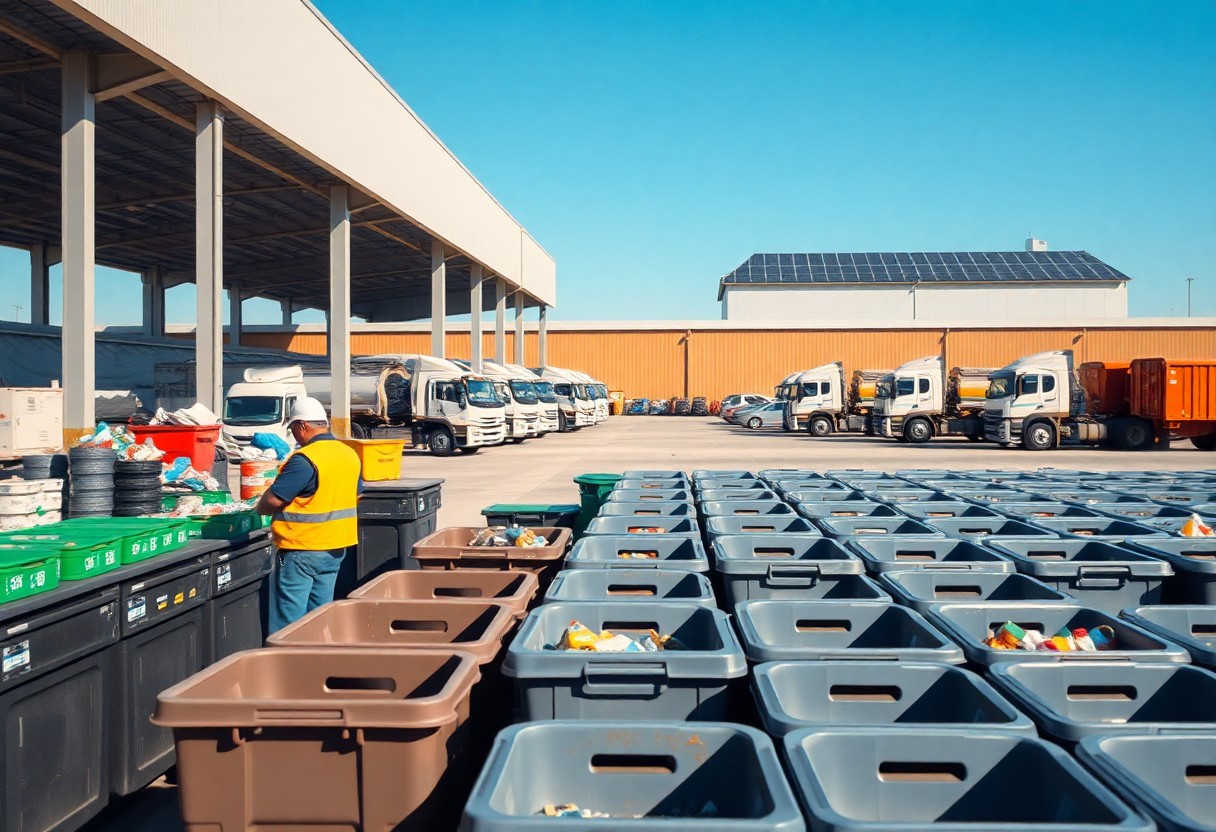
As public awareness of environmental issues grows, advanced recycling technologies play a pivotal role in rethinking your approach to waste management. Traditional recycling methods often leave significant amounts of material unrecycled due to limitations in separation processes. Newer systems that utilize machine learning for sorting enhance accuracy and efficiency, recovering up to 90% of waste materials. Companies implementing these innovations are witnessing a marked increase in recycling rates, contributing to a circular economy and alleviating pressure on landfill systems.
Global Policies and Local Initiatives: Bridging the Gap
Effective waste management requires a synergy between global policies and local initiatives. International frameworks set ambitious targets, but it is often the local level where actionable solutions take shape. Aligning local practices with global goals creates a roadmap for sustainable waste management, ensuring that communities not only comply with regulations but also innovate to tackle unique challenges.
Successful Case Studies from Around the World
Explore how specific regions have exemplified success in waste management through strategic actions and community involvement. These examples highlight measurable impacts and potential replicability.
- Sweden: Nearly 99% of waste is recycled or reused, focusing on incineration for energy recovery.
- San Francisco, USA: Achieved a 80% diversion rate from landfills through comprehensive recycling and composting programs.
- Germany: Implemented the Green Dot program, reducing packaging waste by 48%.
- Capannori, Italy: Achieved a 40% reduction in waste generation by introducing the zero waste program.
How Local Governments Can Drive Change
Your local government plays a pivotal role in advancing waste management practices within your community. By establishing strict regulations, investing in infrastructure, and promoting educational initiatives, leaders can foster an environment conducive to innovation. Partnerships with local organizations and the private sector can amplify efforts, leading to improved waste collection, recycling, and community engagement.
Engaging the public is vital for effective waste management transformation. Local governments can implement community-based programs aimed at raising awareness about recycling, composting, and reducing consumption. Initiatives such as town hall meetings and school programs help educate residents, driving sustainable behavior. Harnessing technology, local authorities can further optimize waste collection routes and systems to enhance efficiency and reduce operational costs. Ultimately, your local government has the capacity to initiate significant positive changes in waste management, fostering a cleaner and healthier environment.
Summing up
Ultimately, effective waste management is imperative for protecting your environment and public health. By implementing proper waste disposal and recycling practices, you reduce pollution, conserve natural resources, and promote sustainability. This not only enhances the quality of your community but also fosters a healthier lifestyle for you and future generations. Taking responsibility for waste management ensures that you contribute positively to the planet, making a significant difference in the fight against climate change and environmental degradation.
FAQ
Q: Why is waste management important for public health?
A: Effective waste management reduces risks of disease transmission, prevents contamination of drinking water, and minimizes hazardous waste exposure, thereby protecting community health.
Q: How does waste management benefit the environment?
A: Waste management minimizes pollution, conserves natural resources, and promotes recycling, which helps maintain ecological balance and reduces the strain on ecosystems.
Q: What role does waste management play in sustainability?
A: Proper waste management practices promote conservation, reduce landfill use, and enable resource recovery, contributing to sustainable development and a circular economy.
Q: What are the economic benefits of waste management?
A: Implementing efficient waste management creates jobs, reduces costs associated with waste disposal, and can generate revenue through recycling programs and resource recovery initiatives.
Q: How does waste management affect community aesthetics?
A: Clean and well-managed waste systems enhance the visual appeal of communities, reducing litter and unwanted debris, thus fostering a more pleasant living environment.
Q: What impact does waste management have on climate change?
A: Effective waste management reduces greenhouse gas emissions from landfills, promotes energy recovery, and encourages practices that mitigate overall environmental impact, thus addressing climate change.
Q: How does waste management support economic development?
A: By establishing infrastructure for waste collection and recycling, waste management can attract industries focused on clean technologies, stimulating local economies and promoting innovation.