

Most waste management options present varying degrees of impact on your environment and health. You must consider methods like recycling, composting, and landfilling to understand their benefits and shortcomings. Each option affects not just your immediate surroundings but also contributes to broader environmental challenges. By evaluating these techniques carefully, you can make informed decisions that enhance sustainability and reduce hazardous waste. This post will guide you through the optimal choices for managing your waste effectively.
Key Takeaways:
- Different waste management options have varying environmental impacts.
- Cost-effectiveness and long-term sustainability are important factors.
- Local regulations and community involvement play significant roles in decision-making.
- Technological advancements can enhance waste processing efficiency.
- Holistic approaches, including reduction and reuse, often yield the best outcomes.

The Environmental Impact of Waste Management Choices
Waste management options significantly influence environmental health. Each method—from landfilling to recycling—carries unique implications for ecosystems and human communities. Landfills contribute to soil and groundwater contamination, while incineration emits greenhouse gases and toxic pollutants. Conversely, recycling and composting bolster resource conservation and reduce landfill volumes, helping to mitigate environmental degradation. Evaluating these impacts guides you in making informed choices that safeguard both nature and population wellbeing.
Assessing Carbon Footprints Across Options
Your choice of waste management method directly affects carbon emissions. Incineration releases substantial CO2, while landfilling produces methane, a potent greenhouse gas. In contrast, methods like recycling and composting can significantly reduce your overall carbon footprint. For instance, recycling one ton of paper can save approximately 1.1 tons of CO2 emissions compared to landfill disposal, highlighting its effectiveness in climate change mitigation.
Evaluating Resource Recovery Potential
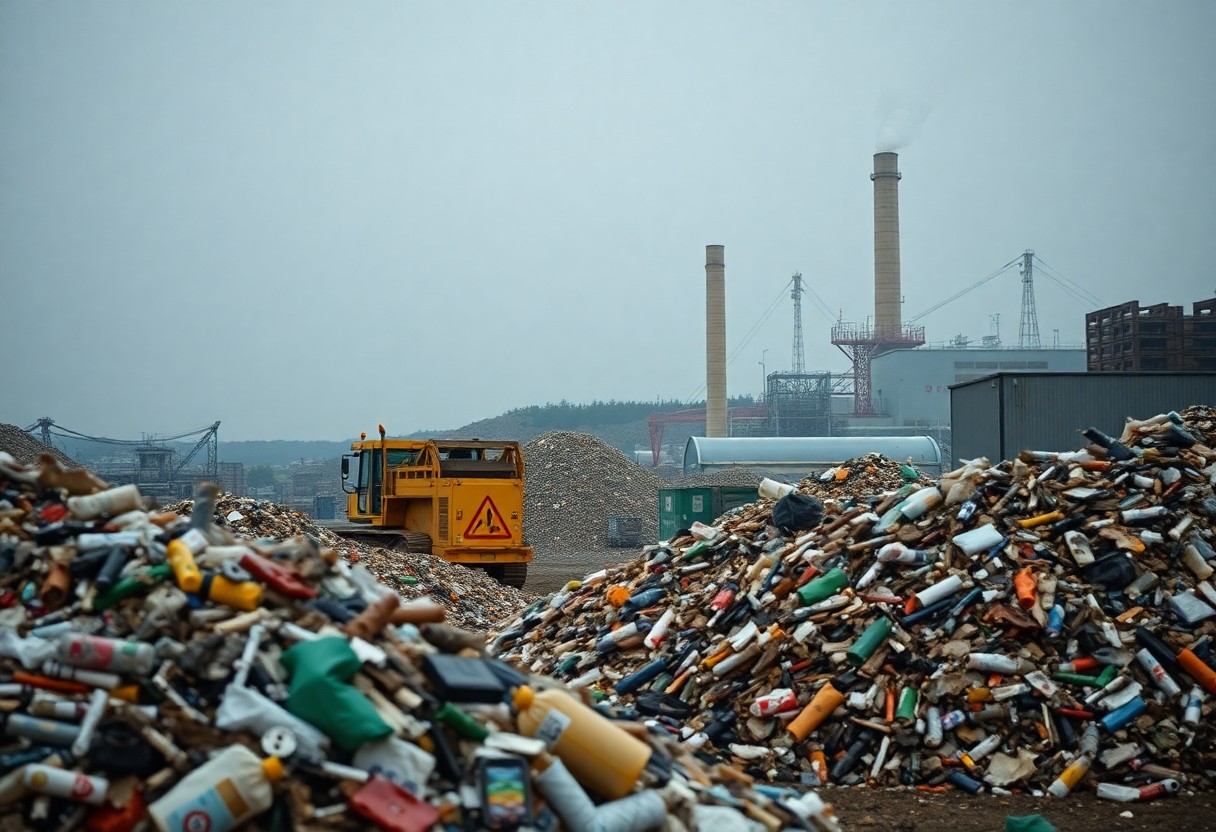
Resource recovery potential varies across waste management strategies, influencing sustainability. Techniques such as recycling and composting are designed to reclaim valuable materials and nutrients, contributing to circular economies. Landfills, however, trap resources in waste, while incineration may only recover energy at the expense of material loss.
In evaluating resource recovery potential, consider specific examples like aluminum recycling, which conserves 95% of the energy required for new production. By diverting materials from landfills, recycling not only reduces raw material extraction but also minimizes pollution and energy consumption. Composting organic waste transforms it into nutrient-rich soil amendments, fostering sustainable agricultural practices. Thus, prioritizing recovery translates to substantial environmental benefits and resource conservation in your waste management decisions.
Economic Implications of Waste Management Strategies
Understanding the economic implications of waste management strategies is vital for making informed decisions. Factors such as operational costs, infrastructure investments, and potential revenue generation impact your bottom line. Balancing initial expenses with long-term savings can reveal the true value of adopting sustainable practices. As you evaluate different strategies, consider how each option aligns with your financial goals while addressing environmental responsibilities.
Cost Comparisons: Landfill vs. Recycling vs. Incineration
Cost Comparison Table
| Method | Average Cost per Ton |
| Landfill | $50-$100 |
| Recycling | $30-$150 |
| Incineration | $70-$200 |
Long-term Financial Benefits of Sustainable Practices
Investing in sustainable waste management practices often yields significant long-term financial benefits. By incorporating recycling and composting, you can reduce disposal costs while potentially generating revenue through the sale of recycled materials. Government incentives and increased public preference for eco-friendly practices may further enhance your financial position. Additionally, fostering a culture of sustainability can improve overall operational efficiency and reduce liability related to environmental compliance.
The long-term financial benefits of sustainable waste management practices become evident not only in operational savings but also in brand enhancement and consumer loyalty. Companies that prioritize sustainability often see lower costs as operational efficiencies improve. Research indicates that the market for recycled materials is growing, leading to new revenue streams. Furthermore, embracing eco-friendly initiatives can often lead to tax credits or grants, further augmenting your financial benefits. Cultivating a loyal customer base that values sustainability positions your organization favorably in an increasingly environmentally-conscious market.
Technological Innovations Shaping Waste Solutions
Advancements in technology are transforming the waste management landscape, making processes more efficient and sustainable. Innovations such as automated sorting systems, biowaste processing technologies, and smart waste tracking apps are setting new industry standards. By integrating cutting-edge materials and engineering techniques, these innovations not only reduce environmental footprints but also enhance the overall effectiveness of waste reduction strategies, ultimately leading to a cleaner planet for future generations.
Breakthroughs in Recycling Technology
Recent breakthroughs in recycling technology have significantly increased the efficiency and effectiveness of recycling processes. Integrating advanced materials separation methods, like floating and sinking techniques, allows for higher purity levels of recyclable materials. In addition, innovative chemical recycling processes can convert previously non-recyclable plastics back into usable raw materials, effectively closing the loop on waste and reducing the reliance on virgin resources. These advancements ensure that your recycling efforts yield maximum returns.
The Role of AI in Efficient Waste Sorting
AI-driven technologies are revolutionizing waste sorting by allowing for rapid and accurate identification of materials. Through machine learning algorithms, systems can learn to distinguish between different types of waste, including plastics, metals, and organics, ensuring higher sorting precision. These automated systems reduce human error, lower labor costs, and improve waste diversion rates, leading to a more sustainable waste management framework.
The implementation of AI in waste sorting has shown that automated systems can achieve up to 95% accuracy in identifying materials, which is significantly higher than traditional manual sorting methods. Facilities equipped with AI technology can process waste at a rate of several tons per hour, effectively reducing contamination in recycling streams and increasing the overall volume of materials that can be recycled. This efficiency not only optimizes resource recovery but also minimizes the environmental impact of waste disposal. By adopting AI solutions, you contribute to a more circular economy and ensure that more materials find their way back into productive use.

Community Engagement and Social Responsibility
Active community engagement plays a vital role in effective waste management strategies. Engaging local residents fosters a sense of ownership and responsibility towards their environment, leading to improved waste practices and more sustainable outcomes. Initiatives like community clean-up events not only address localized waste issues but also promote collaboration among residents, local businesses, and authorities, ensuring a unified approach to waste management challenges.
The Importance of Public Awareness Campaigns
Public awareness campaigns can significantly influence behavior regarding waste management. These initiatives educate community members about the impacts of waste on the environment and the benefits of reducing, reusing, and recycling. For instance, cities that have implemented educational outreach programs often report a substantial increase in recycling rates, demonstrating how information can empower individuals to make more sustainable choices.
Building Sustainable Habits Within Communities
Fostering sustainable habits requires more than just education; it demands consistent community involvement. Practical workshops focusing on composting, recycling, and minimal waste lifestyles can help establish a culture of sustainability. Communities that organize frequent events encourage participation and create lasting change. Local success stories, such as neighborhood composting initiatives that yield nutrient-rich soil, inspire members to adopt similar practices within their households, leading to a collective reduction in waste generation.
Communities like San Francisco demonstrate the power of building sustainable habits through structured engagement and support systems. Their “Zero Waste” initiative involves residents in diverting 80% of waste from landfills through clear recycling and composting guidelines. Workshops and challenges help residents track their progress, encouraging friendly competition. This kind of participatory model not only educates but also bonds participants, making sustainable practices an integral part of community identity, demonstrating how you can successfully transition to environmentally responsible behaviors collectively.
Policy Frameworks Influencing Waste Management Choices
Policy frameworks shape waste management practices by setting clear guidelines, standards, and goals that both public and private entities must follow. Government regulations, local ordinances, and international agreements collectively influence how effectively you manage waste in your community. These frameworks not only help mitigate environmental impacts but also promote sustainability, urging businesses and individuals to adopt more responsible waste management strategies.
Regulations Driving Change in Waste Practices
Government regulations serve as a significant driving force behind changes in waste practices. For instance, mandates on recycling rates and landfill diversion target reductions in waste generation. Specific regulations, such as the EU Waste Framework Directive, aim to minimize landfill use while promoting the circular economy. By adhering to these regulations, you help create a more sustainable waste management landscape.
The Impact of Incentives on Business Adoption
Incentives for businesses can significantly enhance the adoption of sustainable waste management practices. Financial rewards such as tax breaks or grants for implementing recycling programs encourage companies to invest in eco-friendly methods. Additionally, green certifications not only enhance your company's reputation but can attract environmentally conscious consumers, thus boosting your bottom line.
Consider how widely different incentives can lead to transformative changes within industries. For instance, the California recycling credit program has led to increased material recovery by offering businesses tangible financial benefits for recycling. This incentivization translates into better environmental outcomes, fostering a competitive edge for companies that prioritize sustainability. By aligning their operations with these initiatives, you can facilitate a win-win scenario for both business performance and environmental responsibility.
Summing up
Considering all points, you find that the optimal waste management option depends on your specific circumstances, including local regulations, waste types, and environmental impact. By prioritizing reduction, reuse, and recycling, you can significantly minimize landfilling and conserve resources. Implementing a combination of methods tailored to your community can optimize efficiency and promote sustainability. Ultimately, the best choice enhances both your environmental responsibility and economic viability.
FAQ
Q: What are the main waste management options available?
A: The main waste management options include landfilling, recycling, composting, incineration, and waste-to-energy processes. Each method has its own benefits and drawbacks based on factors such as environmental impact, cost, and efficiency.
Q: How does recycling impact waste management?
A: Recycling reduces the volume of waste sent to landfills, conserves resources, and lowers greenhouse gas emissions. By processing materials like paper, glass, and plastics, recycling can also save energy compared to producing new items from raw materials.
Q: What is composting and why is it beneficial?
A: Composting is the process of breaking down organic waste, such as food scraps and yard waste, into nutrient-rich soil. It benefits waste management by diverting organic materials from landfills, reducing methane emissions, and improving soil health.
Q: Are there environmental concerns with incineration?
A: Yes, incineration can produce harmful emissions and ash that require proper treatment. However, modern incineration facilities often utilize advanced technologies to minimize environmental impacts and capture energy from waste materials.
Q: What factors should be considered when choosing a waste management option?
A: Consider factors such as environmental impact, cost-effectiveness, community acceptance, regulatory requirements, and the type of waste being managed. Each option may be more suitable given specific circumstances and waste types.
Q: How can waste-to-energy be a viable option?
A: Waste-to-energy processes convert municipal solid waste into usable energy, such as electricity or heat. This method reduces the volume of waste sent to landfills and can provide a renewable energy source, contributing to energy sustainability.
Q: What is the role of community involvement in waste management decisions?
A: Community involvement is imperative in waste management decisions as it helps to understand local needs, encourages participation in recycling programs, and raises awareness about the importance of reducing waste and selecting optimal management options.