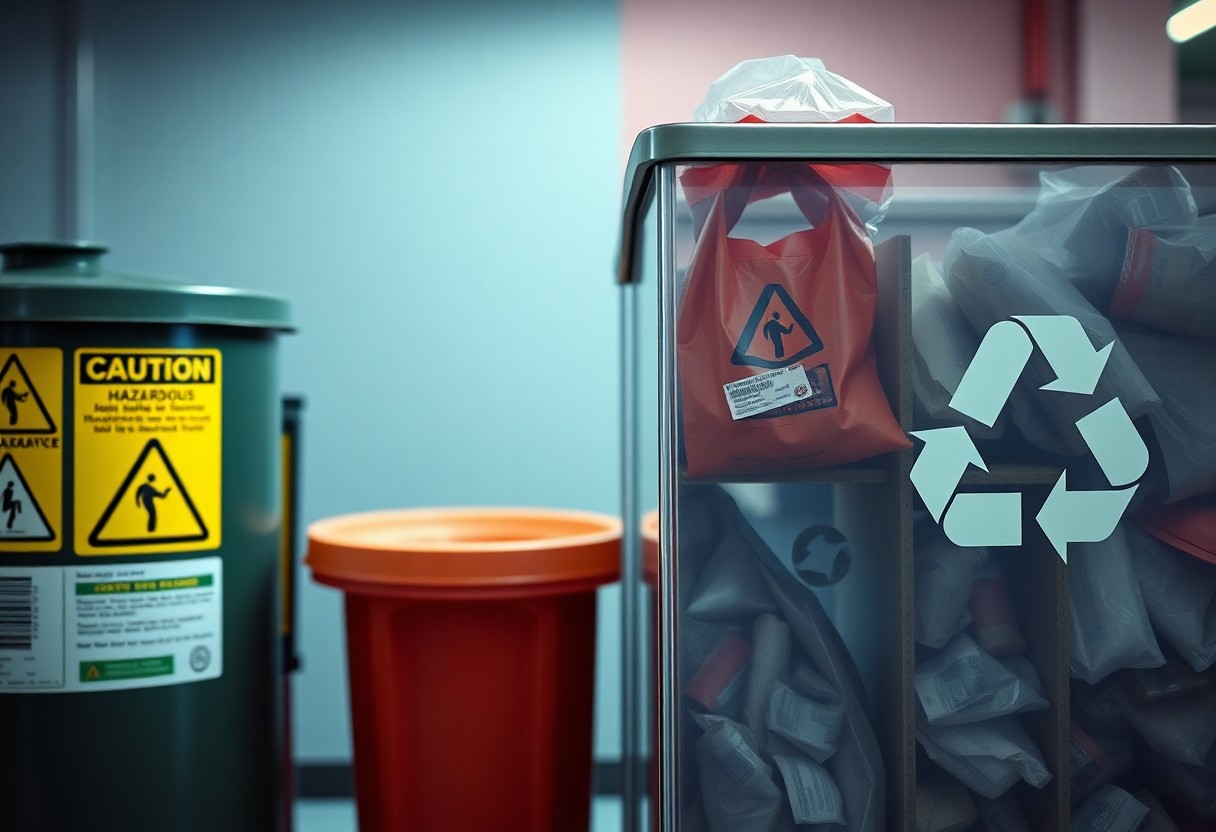
Managing Industrial Waste – Best Practices For Handling Hazardous And Non-Hazardous Materials

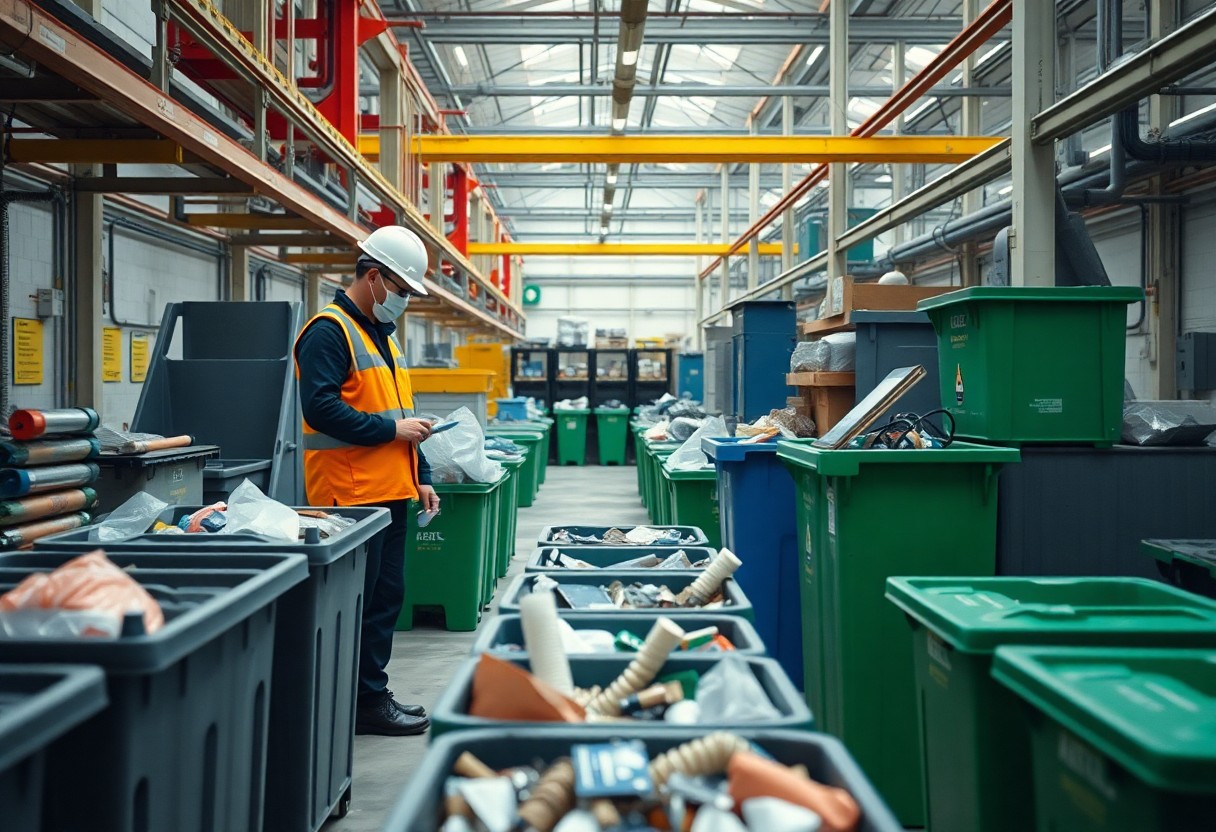
Hazards related to industrial waste can pose significant risks not only to your operations but also to the environment and public health. By implementing best practices for managing both hazardous and non-hazardous materials, you can mitigate these dangers effectively. This guide provides necessary strategies, including proper waste classification, employee training, and sustainable disposal methods, that […]
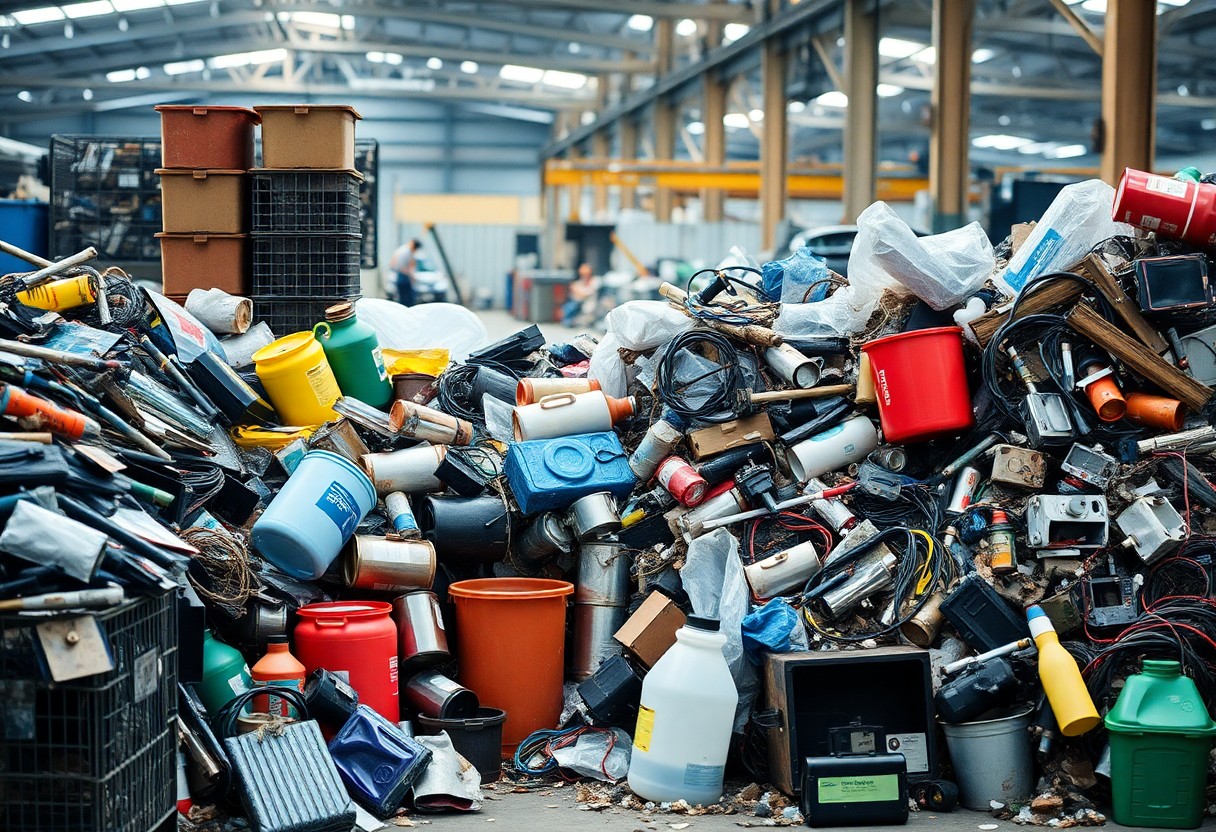
Understanding Industrial Refuse – A Comprehensive Guide To Industrial Waste Types

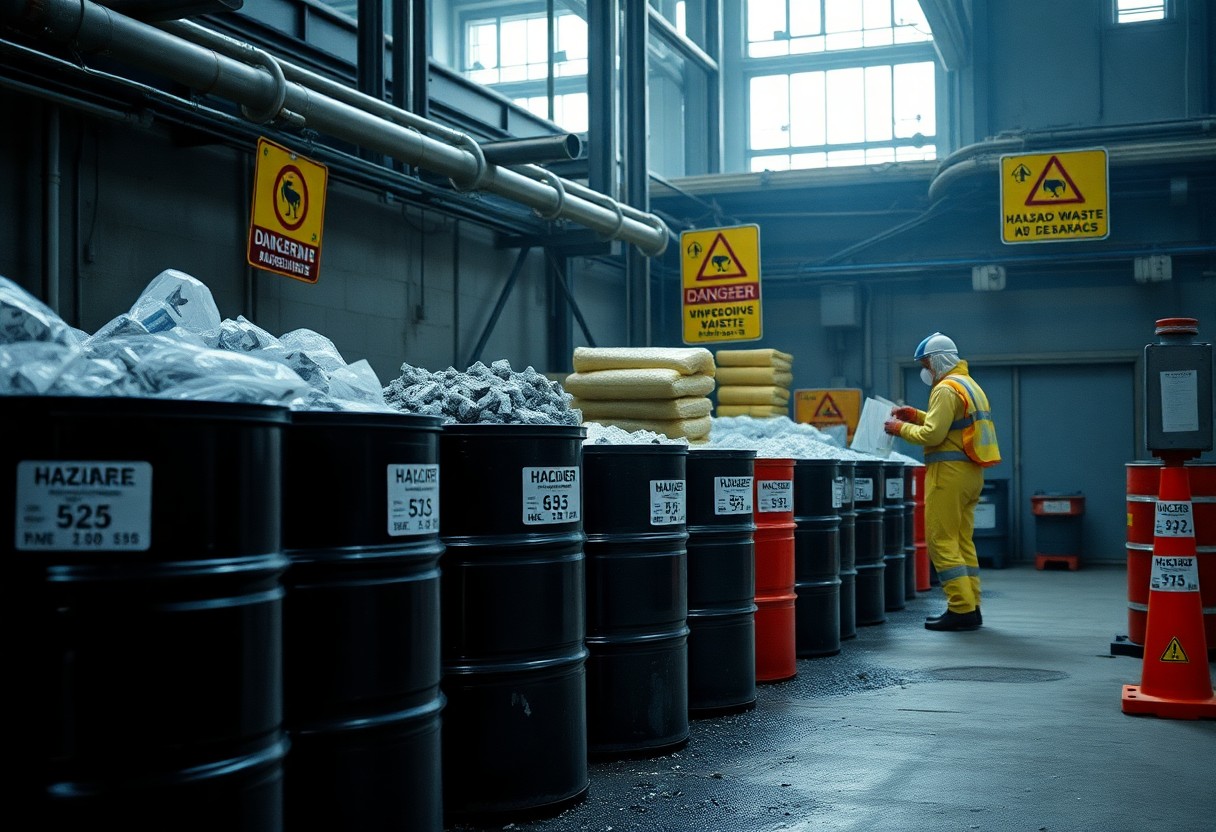
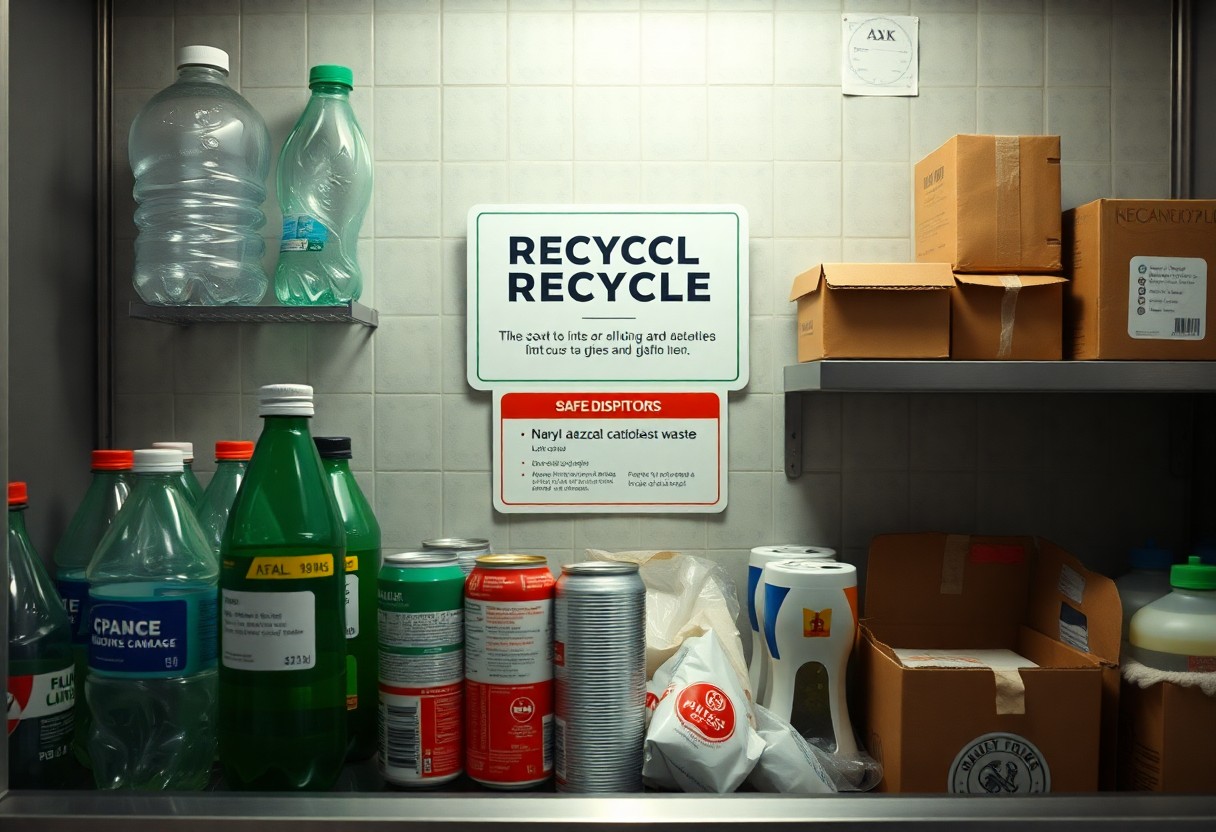
The Dangerous Landscape of Industrial Refuse Types of Hazardous Waste Throughout various industrial processes, waste generation can lead to several types of hazardous waste. You may encounter four main categories: ignitable, corrosive, reactive, and toxic. For instance, ignitable materials include certain solvents and oils that catch fire easily. The Environmental Protection Agency (EPA) reported that […]

Navigating The Complexities Of Hazardous Non-Hazardous Waste – A Practical Overview

There’s a fine line between hazardous and non-hazardous waste that can significantly impact your operations and environmental footprint. Understanding these distinctions is necessary for complying with regulations and ensuring safety in waste management. In this practical overview, you will explore best practices in identifying, handling, and disposing of both types of waste, equipping you with […]

How Can You Reduce Your Plastic Consumption By Understanding These Classifications?

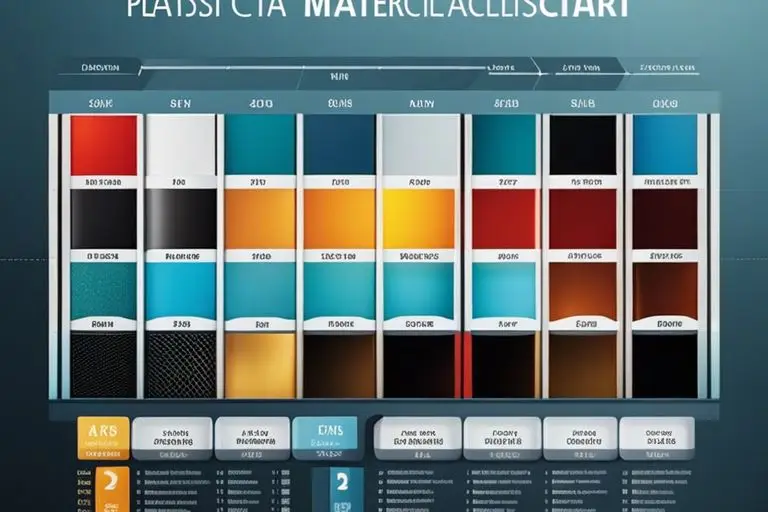
It’s crucial to understand the different classifications of plastic in order to effectively reduce your plastic consumption. By gaining insight into which types of plastic are the most environmentally harmful and which ones are easier to recycle, you can make informed choices that will have a significant impact on reducing plastic waste. Through this knowledge, […]