

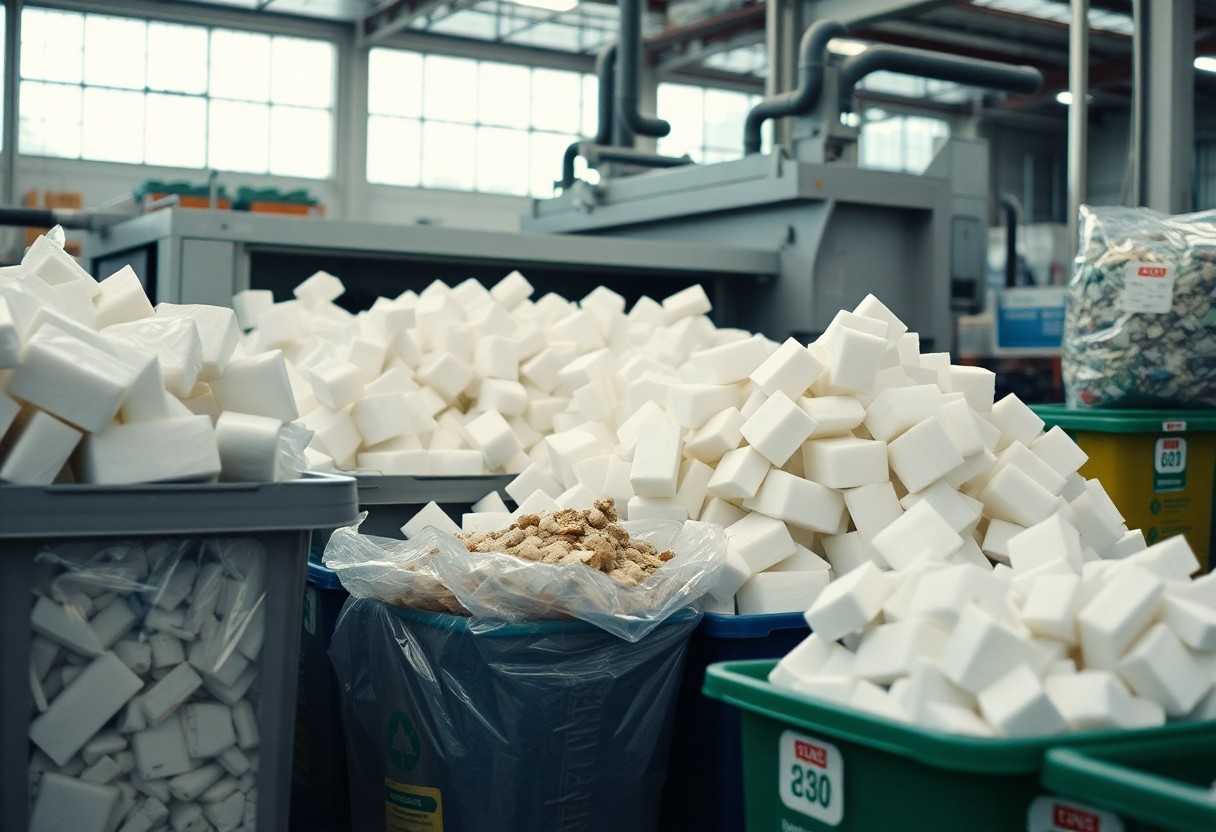
Recycling styrofoam can be a challenge, as many municipalities do not accept it in curbside programs due to its lightweight and non-biodegradable nature. However, understanding how to properly manage this material can lead to a more sustainable approach. By seeking out specialized recycling facilities that accept styrofoam, you can contribute to reducing plastic waste and its negative environmental impact. It's important to check local regulations and resources to find the best practices for disposing of styrofoam and to explore alternative solutions that can benefit your community.
Key Takeaways:
- Styrofoam, or expanded polystyrene (EPS), is not widely accepted in curbside recycling programs.
- Some specialized recycling facilities and programs do accept Styrofoam for recycling.
- Check local recycling guidelines to determine if there are designated drop-off locations.
- Consider reducing Styrofoam usage through alternatives or reusable products.
- Proper disposal is important; avoid littering and consider landfill as a last resort.
The Plastic Paradox: Why Styrofoam Remains Ubiquitous
Styrofoam, composed mainly of polystyrene, is affordable and lightweight, making it a preferred material in various industries. Its insulation properties and ability to withstand temperature changes make it particularly popular in food packaging and construction. Despite growing awareness about its environmental impact, you'll find that many businesses still rely on Styrofoam due to its cost-effectiveness and versatility. This dependency continues to hinder the progress towards eco-friendly alternatives.
Styrofoam's Role in Modern Packaging
Your experience with takeout food often involves Styrofoam containers because they effectively keep items secure and insulated. They are waterproof and can be molded into unique shapes, allowing for efficient stacking and storage. While convenient, these benefits contribute to their widespread use, overshadowing the potential for greener practices in packaging.
Environmental Consequences of Styrofoam Waste
The disposal of Styrofoam presents significant environmental challenges, as it is non-biodegradable and can persist in landfills for centuries. It breaks down into microplastics that contaminate soil and water systems, threatening marine life and disrupting ecosystems. You might be surprised to learn that Styrofoam accounts for almost 30% of ocean debris, further exacerbating pollution and harming aquatic species.
When you consider the environmental consequences of Styrofoam waste, the impact on wildlife is particularly disturbing. Animals can ingest these microplastics, mistaking them for food, which can lead to malnutrition or death. Research indicates that over 1 million marine creatures die each year due to plastic pollution, and Styrofoam is a major contributor. Additionally, its production involves the release of harmful chemicals, creating air and water pollution that can have lasting effects on health and the environment. Your choices in packaging can influence these statistics, emphasizing the need for sustainable alternatives.
The Recycling Reality: What Happens to Styrofoam?
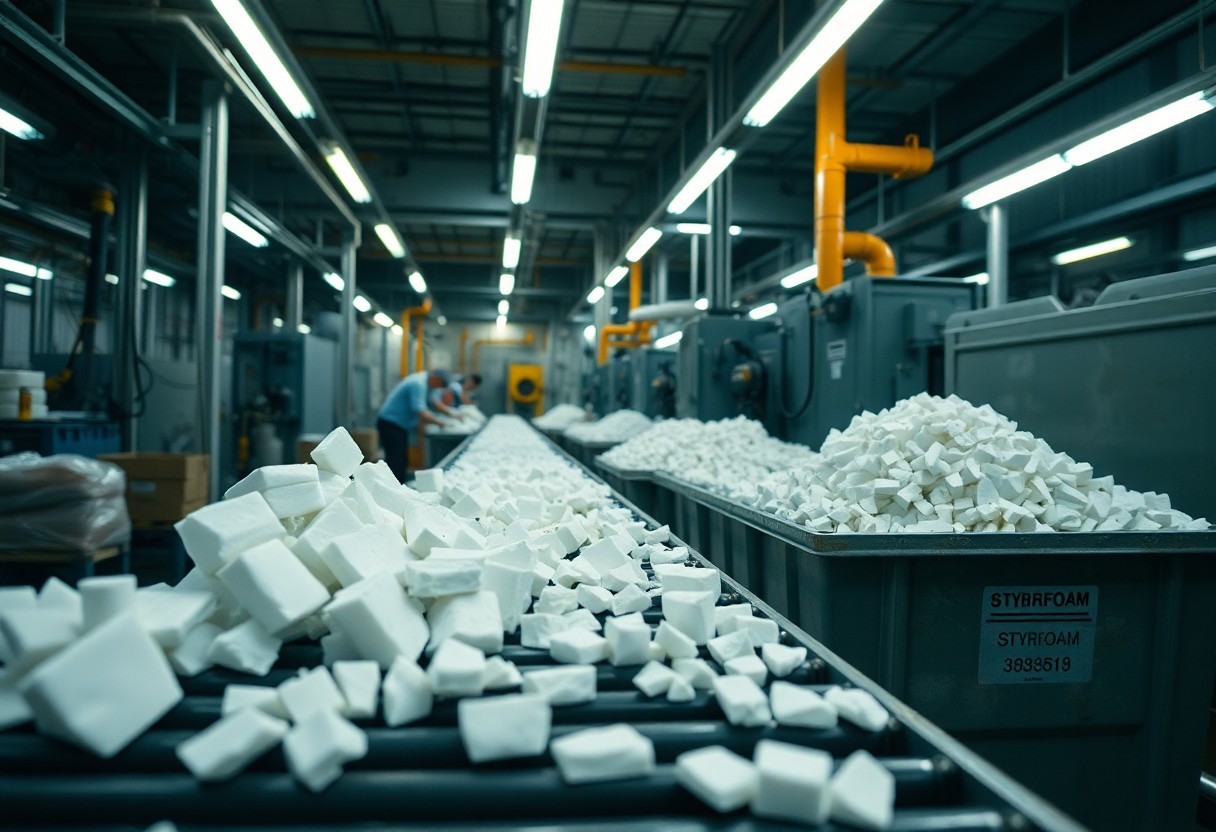
Understanding the fate of Styrofoam once it reaches a recycling facility highlights significant challenges. While some facilities can process expanded polystyrene (EPS), most lack the capabilities or resources to handle it effectively. This means that despite your efforts to recycle, many Styrofoam products often end up in landfills instead of being repurposed into new products.
Challenges in the Recycling Process
The recycling of Styrofoam faces numerous obstacles, primarily its lightweight nature. Transporting large volumes to processing centers is inefficient and costly. Furthermore, the contamination from food residues complicates the recycling process, leading many facilities to refuse Styrofoam altogether. These factors collectively contribute to the widespread disposal of Styrofoam in landfills.
Current Recycling Landscape and Solutions
Presently, the recycling landscape for Styrofoam remains limited, with only a few dedicated facilities available. Innovative approaches are emerging, such as the development of specialized machines that compact Styrofoam for easier transportation and processing. Additionally, programs promoting Styrofoam collection events in communities have gained traction, providing alternatives for individuals seeking to recycle this material responsibly. Educational initiatives also encourage reduced consumption of Styrofoam in favor of more sustainable materials.
Creative Alternatives: Beyond Recycling Styrofoam
Exploring creative alternatives to styrofoam recycling opens a realm of possibilities. Consider using biodegradable materials, such as cornstarch or mushroom packaging, which can safely decompose. You can also repurpose styrofoam into functional art projects, insulation materials for green homes, or even as lightweight concrete additives. Emphasizing these alternatives not only promotes environmental sustainability but also encourages innovation within your community.
Innovative Uses for Recycled Styrofoam
Recycled styrofoam can be transformed into a variety of innovative products. Artists and designers are utilizing it in sculptures and furniture, while construction companies have begun integrating it into lightweight fill materials and insulating products. This not only diverts waste from landfills but also creates practical solutions that benefit both the environment and local economies.
Companies Leading the Way in Sustainable Practices
Several companies are pioneering sustainable practices surrounding styrofoam management. For instance, Styrofoam Alternatives manufactures compostable products that replace traditional styrofoam applications. EarthFoam recycling facilities have become leaders in repurposing styrofoam waste into high-quality insulation and packaging solutions. By focusing on sustainability, these businesses not only reduce environmental impact but also set a precedent for others in the industry.
Notable players like Packtech demonstrate the industry's shift by converting styrofoam waste into new materials, contributing to a circular economy. They invest in advanced technologies that minimize energy consumption and maximize recycling outputs, showcasing a model of responsible corporate behavior. By making the commitment to transform waste, these companies are not just addressing the styrofoam issue; they are paving the way for future innovations in sustainability that can inspire others.
Practical Steps for Responsible Disposal
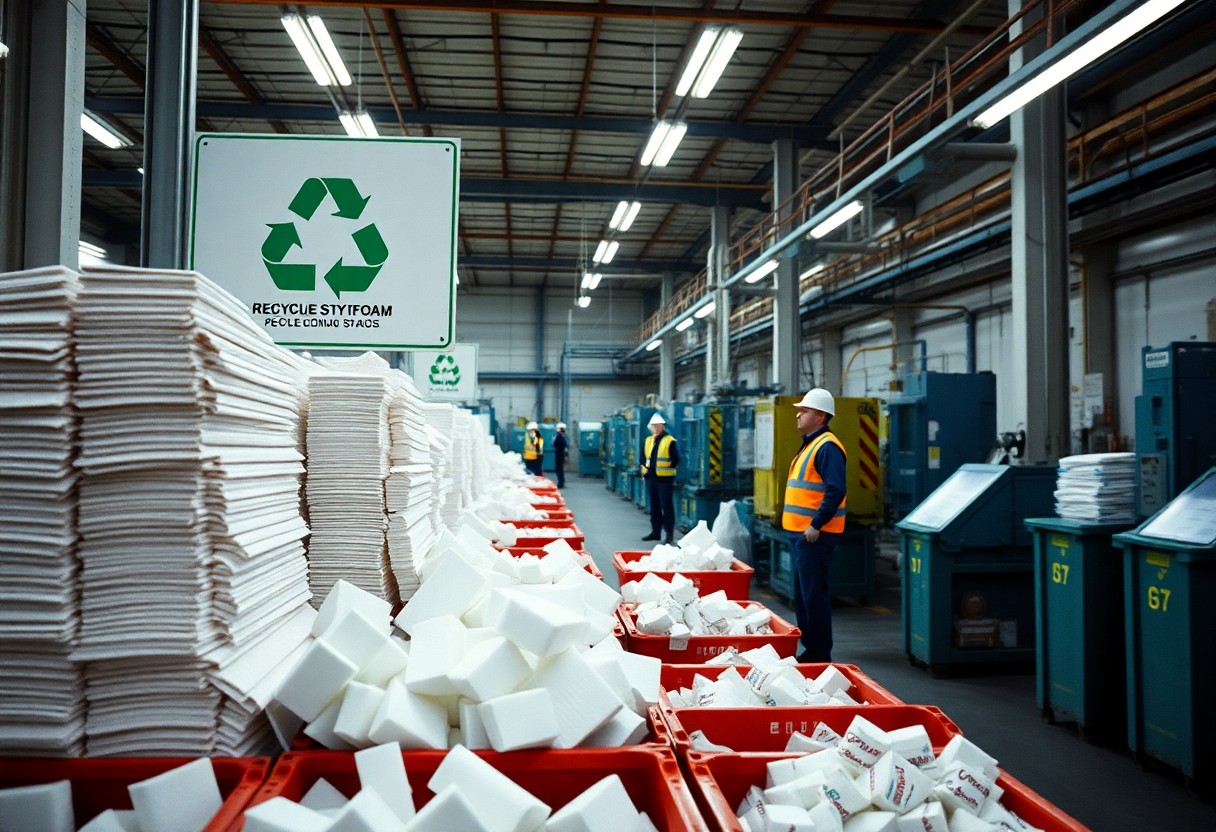
Reducing Styrofoam waste starts with understanding local regulations and seeking alternatives. Many areas offer specialized facilities for disposal, and local businesses may host collection events. Assess your options by contacting municipal waste management services or checking their websites for specific instructions on handling foam products. Always flatten or break down packaging when possible to minimize volume, and stay informed about local recycling initiatives that may change over time.
Local Guidelines and Resources for Styrofoam Disposal
Your community likely has specific guidelines for Styrofoam disposal. Check with local waste management authorities to find out if they accept Styrofoam in curbside recycling, or if there are drop-off locations available. Some municipalities partner with recycling centers that handle foam, providing resources and details that can help ensure your disposal methods are environmentally responsible.
Community Initiatives and How to Participate
Engaging in community initiatives helps amplify efforts to minimize Styrofoam waste. Many neighborhoods organize clean-up drives or educational workshops on sustainable practices. Get involved by attending local events, volunteering for projects, or even starting your own initiative to collect and recycle Styrofoam in your area. Partnering with schools or environmental organizations can also drive awareness and encourage responsible disposal among residents.
Participation in community initiatives can take various forms, from organizing foam collection points to hosting workshops that educate others about alternatives to Styrofoam. For instance, a successful program may offer incentives for residents to drop off their Styrofoam, with the collected material sent to specialized recycling facilities. Collaborating with local businesses to establish foam-free events can also create momentum, fostering a culture of environmental responsibility while effectively reducing Styrofoam usage in your community.
Changing Perspectives: The Future of Styrofoam in Waste Management
Innovations in waste management are reshaping how you view and handle styrofoam. As communities push for sustainable practices, the focus shifts toward developing biodegradable alternatives and improved recycling processes. Emerging technologies promise to reduce environmental impact, emphasizing the need for collective action among consumers, manufacturers, and policymakers in crafting a waste-free future.
Policy Changes and Their Impacts
Recent legislative efforts aim to reduce styrofoam usage nationwide, enacting bans and restrictions in various cities and states. These policies encourage manufacturers to explore sustainable alternatives while prompting consumers to adopt more environmentally responsible practices. The anticipated outcomes include a significant reduction in styrofoam waste and increased awareness of its environmental consequences.
The Role of Consumer Behavior in Styrofoam Disposal
Your choices directly influence how styrofoam is managed and disposed of in your community. By opting for reusable containers and avoiding single-use styrofoam products, you contribute to a reduction in overall waste. Advocating for improved recycling options and participating in local clean-up initiatives fosters a culture of accountability, ultimately shaping public perception and policies regarding styrofoam.
Understanding consumer behavior reveals a pathway to more effective styrofoam disposal. Research indicates that communities with higher eco-consciousness tend to show reduced styrofoam waste, largely due to citizen-led initiatives and education. When you actively choose to engage with businesses that prioritize sustainable packaging, you send a powerful message to manufacturers and policymakers alike. By reducing demand for styrofoam and supporting businesses that offer environmentally-friendly alternatives, you're not only enhancing your community's waste management efforts but also playing a significant role in shaping the future of waste practices.
Final Words
Taking this into account, you should be aware that recycling Styrofoam is not as straightforward as other materials. Although some recycling programs accept Styrofoam, many do not due to its lightweight nature and contamination issues. You need to check local facilities or recycling centers to see if they have specific programs for Styrofoam. By knowing your options, you can make informed decisions about your waste management practices and contribute to a more sustainable environment.
FAQ
Q: Can you recycle Styrofoam?
A: Styrofoam, also known as expanded polystyrene (EPS), is not widely recyclable in curbside programs due to its lightweight and low-density nature.
Q: Where can I recycle Styrofoam?
A: Many local recycling centers and specialized drop-off locations accept Styrofoam. Check with your municipal waste management for specific facilities in your area.
Q: How should Styrofoam be prepared for recycling?
A: To prepare Styrofoam for recycling, ensure it is clean and dry. Remove any food residue and labels, and flatten it if possible to save space.
Q: What happens to Styrofoam after recycling?
A: Recycled Styrofoam is typically processed into pellets and can be remolded into new products, such as picture frames, insulation, or other packing materials.
Q: Are all types of Styrofoam recyclable?
A: Only certain types of Styrofoam are recyclable. Rigid EPS containers, like those from takeout food, are often accepted, while foam packaging peanuts may not be.
Q: Can I put Styrofoam in my regular recycling bin?
A: Styrofoam should not be placed in regular recycling bins due to contamination issues and its incompatibility with other recyclable materials.
Q: What are the environmental impacts of Styrofoam waste?
A: Styrofoam contributes to landfill waste and can take hundreds of years to decompose, releasing harmful chemicals into the environment and posing risks to wildlife.