

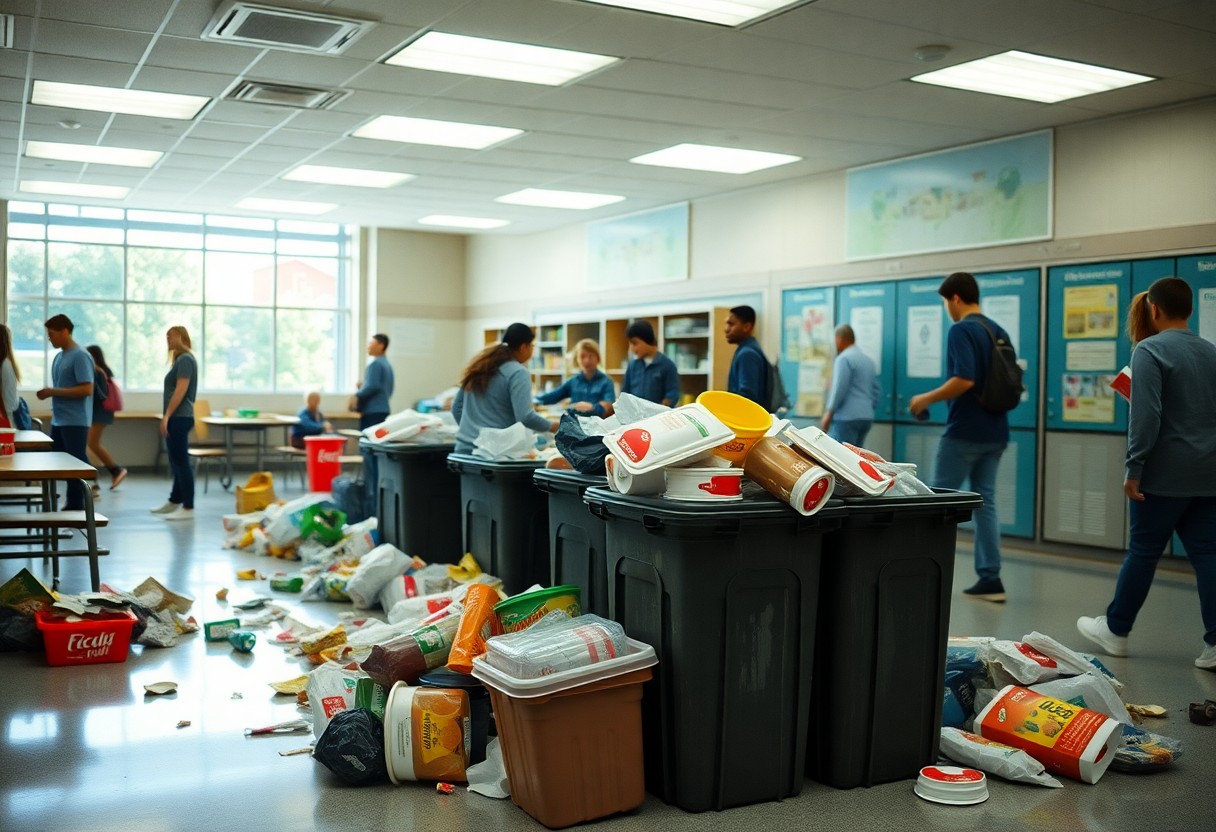
With increasing waste generation in schools, poor waste management can lead to serious environmental and health issues. You may not realize that cluttered classrooms and overflowing bins contribute to pollution and hinder the learning environment. Understanding your role in effective waste disposal and recycling can help reduce waste and foster a cleaner, sustainable school community. Addressing these challenges not only benefits your surroundings but also instills a sense of responsibility towards environmental conservation.

Key Takeaways:
- Insufficient recycling and waste separation leads to increased landfill contributions.
- Limited awareness and education among students about proper waste disposal practices.
- Inadequate infrastructure for waste management hampers effective collection and processing.
- High volumes of single-use plastics and packaging contribute to environmental concerns.
- Lack of engagement in sustainability initiatives reduces student participation in waste reduction efforts.

The Environmental Toll of Neglected Waste Management
Ignoring effective waste management contributes significantly to environmental degradation surrounding schools. Accumulated waste attracts pests, releases harmful chemicals, and leads to soil contamination. This not only endangers health but also diminishes the quality of your school's outdoor environment, making it less conducive to learning and play. Neglected trash piles can seep toxic substances into the ground, disproportionately affecting local flora and fauna while ultimately jeopardizing students' well-being.
Pollution and Its Ramifications on School Grounds
Visible garbage and overflowing bins on school property drastically affect your school's aesthetic and functionality. Trash and litter can harbor pathogens and allergens, leading to increased health risks for students and staff. Additionally, the presence of waste can dissuade outdoor activities, reducing physical engagement and negatively impacting mental health. The smell from decaying waste contributes to a hostile learning atmosphere, directly influencing student morale and focus.
The Long-term Impact on Local Ecosystems
The neglect of waste management creates a cascading effect on local ecosystems surrounding your school. Organic waste decomposing improperly promotes the growth of harmful bacteria that can disrupt native wildlife habitats. Additionally, plastics and other non-biodegradable materials can take centuries to decompose, leading to soil and water pollution that harms local flora and fauna. The contaminated runoff can enter waterways, impacting fish and other aquatic life and ultimately affecting food chains, further illustrating the profound interconnection between waste management and ecosystem health.
The Financial Costs: Budgeting for Waste Mismanagement
Mismanaged waste at schools leads to surprising financial burdens. Increased landfill fees, cleanup costs, and fines for non-compliance with local regulations can strain educational budgets. Without a streamlined waste management plan, schools end up overspending on basic waste disposal while missing opportunities to invest in more sustainable methods that could reduce expenses in the long run.
Hidden Expenses Associated with Poor Waste Practices
Beyond direct disposal costs, poor waste practices incur hidden expenses. For instance, contamination of recyclables can lead to entire loads being sent to the landfill, resulting in wasted resources and increased fees. Surplus waste often requires extra labor for handling and sorting, driving up operational costs. These factors contribute to a growing financial strain that impacts available funding for educational programs.
Cost-Effective Solutions: Investing in Sustainable Programs
Investing in sustainable waste management programs offers significant cost savings over time. Schools can reduce overall waste by implementing recycling initiatives or composting. For example, a study found that schools adopting comprehensive recycling programs reduced waste management costs by up to 30%. Allocating funds toward education and initiatives fosters a culture of sustainability, aligning environmental goals with financial efficiency.
Further examples of cost-effective solutions include partnering with local waste management services to create tailored waste audits and programs. Implementing student-led recycling and composting initiatives not only teaches environmental responsibility but also helps to discover the most efficient ways to reduce waste. By engaging the community, schools can leverage grants or sponsorships that assist in funding sustainability projects, leading to long-term gains in both financial and environmental health.
Behavioral Challenges: The Student Perspective on Waste Disposal
The way students interact with waste disposal reflects a deeper set of behavioral challenges. Many students ignore proper disposal methods, often tossing trash into accessible areas instead of designated bins. This inconsistency leads to significant littering on school grounds and highlights a disconnection between environmental responsibility and daily practices, suggesting a systemic issue that requires attention.
Lack of Awareness and Education Among Students
Many students lack a basic understanding of waste management principles and the environmental implications of their actions. This gap in knowledge often results in improper disposal of recyclables and organic waste. Schools that do not incorporate waste management education into their curriculum miss an opportunity to foster responsible behaviors, leaving students unaware of their impact on the environment.
The Role of Peer Influence in Promoting Proper Practices
Peer influence plays a significant role in shaping waste disposal behaviors among students. Positive reinforcement from friends who prioritize recycling can encourage you to adopt similar practices. Conversely, if classmates neglect waste sorting and disposal etiquette, you are less likely to feel motivated to comply with proper guidelines. Social norms within student groups can heavily dictate attitudes toward environmental responsibility.
Studies show that students are more likely to engage in sustainable practices when they see their peers actively participating in these efforts. When a group collectively makes efforts to recycle or compost, the sense of belonging and acceptance promotes a culture of environmental stewardship. For instance, schools initiating campaigns led by well-respected students can significantly increase participation rates in recycling programs. Creating a supportive environment where positive behaviors are shared and celebrated fosters long-lasting changes in how students approach waste disposal.
Innovative Solutions: Turning Challenges into Opportunities
Transforming waste management difficulties into innovative solutions can inspire a more sustainable school environment. By adopting creative strategies, schools can not only minimize waste but also foster a culture of responsibility and awareness among students. These approaches empower individuals to actively engage in effective waste management practices while reinforcing the long-term benefits of sustainability.
Implementing Recycling and Composting Programs
By establishing robust recycling and composting programs, schools can significantly reduce their waste footprint. Implementing clear guidelines and accessible bins for recyclables alongside compost bins encourages students to participate actively. Educational workshops about the benefits of recycling and composting can further enhance student involvement and understanding of waste reduction practices.
Engaging Students Through Initiatives and Competitions
Initiatives and competitions can drive student engagement in waste management efforts. Organizing challenges, such as “Waste Reduction Week” or school-wide recycling contests, ignites enthusiasm and promotes healthy competition among classes. This fosters a sense of community and shared responsibility, as students actively work together towards common goals while learning about the environmental impact of their actions.
Competitions have shown impressive results in other schools; for instance, a recent recycling challenge at a local high school led to a 30% increase in recycling rates over one semester. Prizes for participating students or classes can further incentivize involvement, making waste management a fun and interactive experience. Integrating technology, like apps to track progress, offers real-time feedback, fostering a more dynamic and informative platform for students to contribute to sustainability goals.
Building a Culture of Responsibility: The Role of School Administration
School administration plays a key role in fostering a culture of responsibility towards waste management. By prioritizing sustainability in school policies and practices, you help set clear expectations for both staff and students. Initiatives like regular training sessions on proper waste disposal and offering resources for recycling can encourage a sense of ownership among your community, turning waste management from an afterthought into a central part of the school's mission.
Policies that Encourage Active Participation in Waste Management
Implementing specific policies can significantly increase active participation in waste management. You might establish competitions between classrooms to see who can reduce waste the most or create a student-led committee focused on sustainability initiatives. These practical measures not only motivate students but also instill a sense of pride in contributing positively to the school environment.
Collaboration with Local Communities and Experts
Partnering with local communities and environmental experts amplifies your school's waste management initiatives. Engaging with nearby organizations can provide resources, expert knowledge, and even funding opportunities for innovative waste programs. Workshops and seminars led by professionals can empower students to embrace eco-friendly practices and understand the broader impact of waste management.
Collaboration with local communities can take many forms. For instance, partnering with a nearby recycling center may allow your students to participate in field trips that showcase the waste management process from collection to processing. Workshops led by local environmentalists can offer hands-on learning, making waste management concepts tangible. By tapping into community resources, you not only enhance the educational experience but also build lasting relationships that benefit both your school and the environment. Engaging local stakeholders can also lead to joint initiatives, such as cleanup days or community events focused on sustainability, thus reinforcing students' responsibility toward waste management.
Final Words
Upon reflecting, you can see that waste management is a pressing problem at school due to insufficient recycling practices, lack of awareness, and inadequate facilities. Your actions and decisions contribute to the larger issue of environmental sustainability. When you dispose of waste improperly, it not only affects your immediate surroundings but also has long-term consequences for the planet. By recognizing the importance of effective waste management, you can lead initiatives to improve behaviors and practices, ultimately fostering a cleaner and more responsible school environment.
FAQ
Q: Why is waste management a significant issue in schools?
A: Waste management in schools affects the environment, hygiene, and overall health of students. Poor waste practices can lead to pollution, health risks due to pests, and create an unhealthy learning environment.
Q: What types of waste are commonly generated in schools?
A: Schools commonly generate food waste, paper, plastics, and electronic waste. Each type poses different challenges for proper disposal and recycling.
Q: How does improper waste management impact the local community?
A: Improper waste management can lead to increased litter, foul odors, and potential health hazards in the surrounding community, affecting the quality of life for residents and students alike.
Q: What role do students play in effective waste management?
A: Students play a vital role by participating in recycling programs, reducing waste, and promoting awareness about sustainable practices, encouraging a culture of responsibility.
Q: How can schools improve their waste management practices?
A: Schools can improve waste management by implementing recycling programs, conducting waste audits, providing education on sustainability, and involving students and staff in waste reduction initiatives.
Q: What are the environmental consequences of poor waste management in schools?
A: Poor waste management can lead to environmental pollution, depletion of natural resources, and a negative impact on wildlife habitats, resulting in long-term ecological damage.
Q: What measures can be taken to educate students about waste management?
A: Educating students about waste management can include workshops, integrated curriculum projects, school-wide campaigns, and hands-on activities that highlight the importance of reducing waste and recycling.