

You are part of a nation facing an alarming challenge with its waste management systems. With over 60 million tons of waste generated annually, improper waste disposal can result in severe environmental and health issues including pollution and disease outbreaks. By implementing effective waste management strategies, you can contribute to a cleaner, more sustainable environment, while also realizing the economic benefits of recycling and proper waste processing. Embracing responsible waste practices is not just beneficial for your community, but vital for the future of India.
Key Takeaways:
- Rapid urbanization is leading to increased waste generation, necessitating effective management strategies.
- Inadequate waste disposal methods pose health risks and environmental challenges.
- Improving waste management can enhance resource recovery and promote recycling initiatives.
- Effective policies and community engagement are crucial for sustainable waste management practices.
- Addressing waste management issues can contribute to cleaner cities and improved public health.
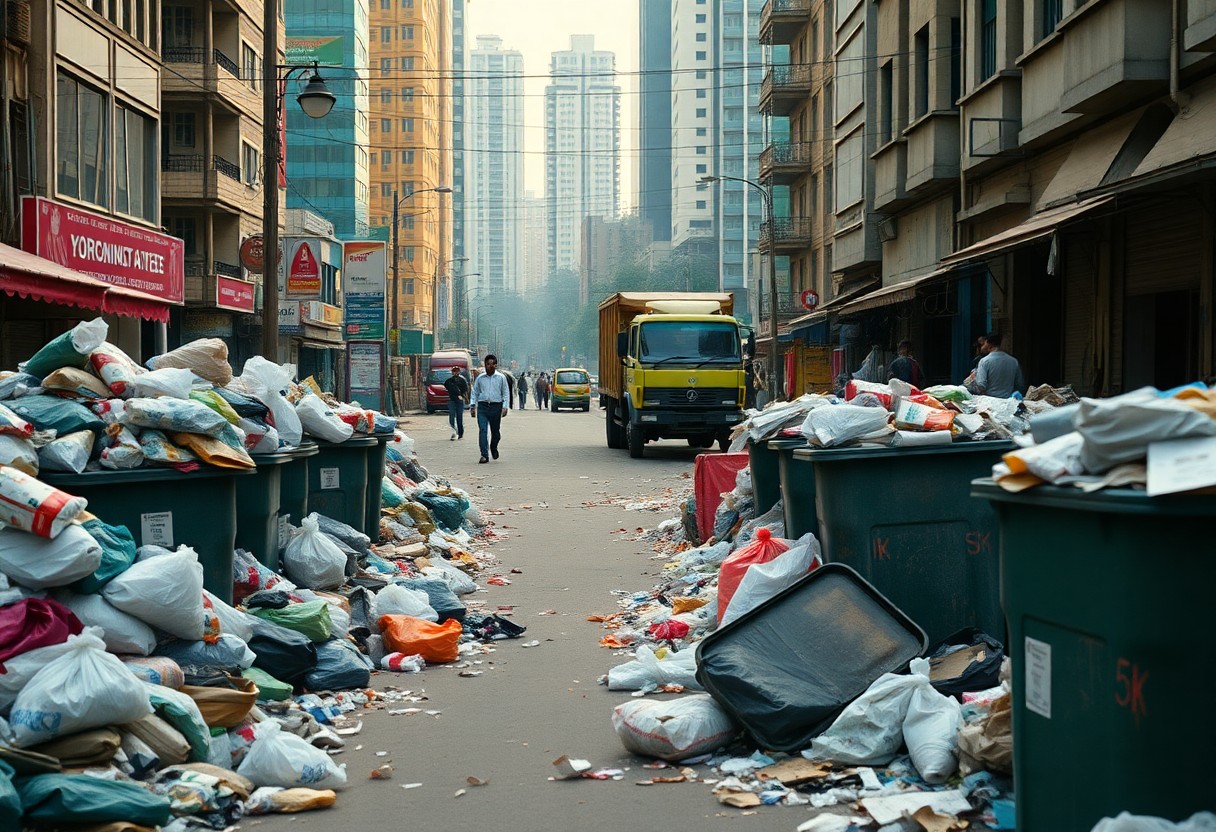
The Escalating Waste Crisis in India
The waste crisis in India has reached alarming levels, with cities generating over 62 million tons of waste annually, a figure expected to grow. Less than 30% of this waste is processed effectively; the rest ends up in landfills, leading to severe environmental and health issues. This growing crisis not only threatens public health but also impacts ecosystems, air quality, and local economies. Without immediate intervention and effective waste management strategies, the ramifications will only intensify.
Urbanization and Population Growth: The Factors at Play
Uncontrolled urbanization and an increasing population are key drivers behind India's escalating waste predicament. With urban areas housing more than 35% of your population and growing, cities face immense pressure to accommodate rising demands for infrastructure and services. This rapid expansion results in excessive waste generation and inadequate collection and disposal methods. As your urban centers swell, the challenge of managing waste begins to overwhelm existing systems. Thou must seek sustainable solutions before the issue spirals completely out of control.
The Proliferation of Plastic and E-Waste: A Looming Disaster
The exponential rise in plastic and electronic waste poses a significant environmental threat in India. Annually, India generates over 3 million tons of plastic waste, with a mere 9% being recycled. The burgeoning demand for electronic devices creates a cascading effect, leading to an alarming increase in e-waste, which is projected to hit 5 million tons by 2025. Improper disposal of both plastics and e-waste results in toxic runoff, air pollution, and hazardous outcomes for human health.
In cities like Mumbai and Delhi, the sight of plastic litter and discarded electronics is common, with landfills overflowing and creating an environmental hazard. Major rivers, such as the Ganges, face contamination due to the release of these materials. Moreover, the failure to establish effective collection and recycling systems for e-waste leads to much of this waste ending up in illegal dumpsites. Without stringent regulations and public awareness campaigns, the ramifications of a waste crisis will manifest in worsening pollution, health issues, and loss of biodiversity. Thou must act decisively to mitigate this looming disaster.

Economic Impact of Poor Waste Management
Poor waste management has dire economic repercussions for India. Inadequate disposal practices lead to the contamination of soil and water, affecting agriculture and fisheries, which collectively contribute significantly to your economy. Additionally, the lack of recycling and recovery from waste hinders job creation and innovation in the green sector, resulting in missed opportunities for growth and sustainability. The economic burden of neglect can amount to billions annually, affecting everyone's livelihood.
Costs of Clean-Up and Health Issues
The financial burden of cleaning up poorly managed waste falls heavily on governments and taxpayers. Direct costs associated with sanitation and health problems can soar, leading to increased healthcare expenditures due to diseases linked to waste exposure. For example, vector-borne diseases have surged in regions with inadequate waste management, compounding public health challenges and straining local economies, ultimately impacting your nation's productivity.
The Strain on Municipal Finances and Public Services
Poor waste management imposes significant strain on municipal finances, diverting funds from vital services. Municipalities are forced to allocate a large portion of their budgets to waste management, often at the expense of other critical services like education and infrastructure. In cities like Delhi, waste management accounts for up to 30% of the municipal budget, reducing investment in community services and quality of life. With increasing waste volumes and insufficient infrastructure, this pattern entails a cycle of underinvestment and deteriorating public services.

Policy Gaps and Regulatory Challenges
Your engagement with waste management reveals significant policy gaps and regulatory challenges impeding effective solutions. Despite existing frameworks, enforcement remains weak. The lack of comprehensive strategies results in haphazard waste disposal and recycling efforts, exacerbating the already pressing waste crisis.
Inadequate Waste Management Legislation
Current waste management legislation in India is fragmented and often outdated, failing to address the rapid urbanization and industrial growth. Many laws do not effectively cover solid waste segregation, treatment, and disposal, leading to mismanagement and environmental degradation.
The Role of Local Governments vs. Central Authority
The division of responsibilities between local governments and central authorities often leads to inefficiencies in waste management. While local bodies are tasked with implementation, inadequate support and coordination from the central government create gaps that hinder progress on sustainable waste management initiatives.
Local governments in India play a pivotal role in waste management, being closer to the communities affected by waste issues. However, they often lack the necessary resources and technical expertise to implement effective strategies. Central authorities provide overarching guidelines but frequently fall short in offering adequate support, leading to uncoordinated efforts. For instance, while urban local bodies manage day-to-day operations, they require central assistance for funding and capacity building. Addressing this disconnect is vital to fostering a cohesive approach that elevates waste management standards across the nation.
Innovative Solutions and Community Initiatives
Innovative solutions in waste management are emerging from various sectors, emphasizing the need for community involvement. Initiatives like composting programs, recycling drives, and integrated waste management systems demonstrate a shift towards resource recovery. Collaborations between local governments, NGOs, and residents are pivotal in implementing these effective approaches, ensuring that communities take an active role in managing their waste. For instance, outreach programs can educate citizens about sustainable practices, paving the way for a cleaner, greener future.
Successful Models in Waste-to-Energy Technologies
Several successful waste-to-energy models are being implemented across India, converting waste into valuable energy sources. The Delhi-based Okhla Waste to Energy Plant processes over 1,500 tons of waste daily, generating around 16 MW of power. Such models not only help in reducing landfill pressure but also contribute to the energy mix, showcasing the potential of innovative technologies in transforming waste into a resource.
Grassroots Movements and Citizen Participation
Grassroots movements play a significant role in promoting effective waste management practices. Communities engaging in local clean-up drives, awareness campaigns, and segregation initiatives empower citizens to take ownership of their waste. Successful examples include urban slum areas adopting decentralized composting methods, significantly reducing landfill dependency and fostering community bonds through collective responsibility.
Effective grassroots movements rely on community voices to champion change, creating a ripple effect throughout urban neighborhoods. Your participation in local initiatives not only promotes awareness but also builds a culture of sustainability. Programs like Swachh Bharat Abhiyan encourage residential societies to adopt waste segregation at source, enhancing recycling efforts. By taking part in these movements, you foster collaboration among residents and local authorities, leading to greener urban environments and a sense of shared responsibility in tackling waste management issues.
The Global Perspective: Lessons from Other Countries
Examining successful waste management systems abroad uncovers valuable insights for India. Countries like Sweden and Germany have established comprehensive recycling frameworks, achieving recycling rates of over 99% and 67%, respectively. Their focus on circular economy principles and public participation offers replicable models. Implementing stringent regulations, education, and community involvement has led to significant reductions in landfill waste, demonstrating that effective systems can be both sustainable and economically viable.
Case Studies of Effective Waste Management Systems
Successful waste management systems in various countries offer instructive examples for India.
- Sweden: Achieved 99% recycling rate, landfilling less than 1% of waste.
- Germany: Recycles 67% of waste, with strict laws promoting waste separation.
- South Korea: Introduced volume-based waste fees, reducing waste by 30% in five years.
- Japan: Effective source-separation led to a recycling rate of 20%.
- Netherlands: Over 50% of household waste is composted or recycled.
Adaptable Strategies for the Indian Context
Learning from global successes, you can apply adaptable strategies within India's unique social and cultural frameworks. Emphasizing community engagement and education on waste management can enhance public participation. Tailoring practices like source segregation and promoting local recycling initiatives ensures that waste management becomes part of daily life. Implementing incentives for reducing waste generation can motivate communities, ultimately transforming your city's waste landscape.
India's waste management can flourish by implementing systems proven effective globally while considering local factors. For example, community-led initiatives can replicate Sweden's high recycling rates through localized education and incentivization. Encouraging businesses to adopt circular economy practices like those in Germany could minimize waste generation. By establishing partnerships between government entities and local organizations, you can foster an environment that prioritizes sustainability. Overall, infusing adaptability into these strategies creates a foundation for effective waste management tailored to India's context.
Summing up
Hence, you must recognize that effective waste management is urgently needed in India to combat growing pollution, safeguard public health, and promote environmental sustainability. By adopting responsible waste disposal practices, you contribute to a cleaner community and support initiatives that can transform waste into valuable resources. Your active participation can lead to significant improvements in urban sanitation and environmental quality, making a profound difference for current and future generations.
FAQ
Q: Why is waste management crucial in India?
A: Waste management is crucial in India to address the increasing volume of waste generated due to rapid urbanization, population growth, and consumer culture, which can lead to environmental degradation and public health issues.
Q: What are the environmental impacts of poor waste management in India?
A: Poor waste management can lead to soil contamination, water pollution, and air quality deterioration, harming ecosystems and contributing to climate change.
Q: How does effective waste management improve public health?
A: Effective waste management reduces exposure to hazardous waste, minimizes disease transmission from waste, and promotes cleaner living environments, thus improving overall public health.
Q: What role does recycling play in waste management?
A: Recycling helps conserve natural resources, reduces landfill waste, and decreases pollution, making it an integral part of effective waste management strategies.
Q: How can waste management contribute to economic growth in India?
A: Effective waste management can create jobs in waste collection, sorting, and recycling, stimulate the green economy, and reduce costs associated with waste disposal, contributing to overall economic growth.
Q: What challenges does India face in waste management?
A: India faces challenges such as inadequate infrastructure, lack of public awareness, limited funding, and regulatory enforcement, hindering effective waste management practices.
Q: What actions can individuals take to support waste management efforts?
A: Individuals can reduce waste by practicing recycling, composting organic waste, avoiding single-use plastics, and participating in community clean-up efforts to support waste management initiatives.