

It's necessary to understand the do's and don'ts of waste management to minimize your environmental impact. Proper disposal of waste ensures you are not only keeping your surroundings clean but also protecting public health. You should always separate recyclables, compost organic materials, and never mix hazardous waste with regular trash. By following these guidelines, you contribute to a sustainable future while preventing harmful consequences for your community.
Key Takeaways:
- Separate recyclable materials from general waste to enhance recycling efficiency.
- Dispose of hazardous waste like batteries and chemicals at designated collection points.
- Compost organic waste to reduce landfill impact and enrich soil.
- Avoid using plastic bags for recycling; opt for reusable containers instead.
- Educate others about proper waste disposal techniques to encourage community participation.
The Crucial Do's of Effective Waste Management
Know Your Local Regulations
Familiarizing yourself with local waste management regulations ensures compliance and enhances recycling efforts. Different regions have specific laws regarding waste disposal, recycling streams, and hazardous materials. Keep updated on these regulations by checking your municipality's website or contacting local waste management authorities.
Separate and Sort Waste Properly
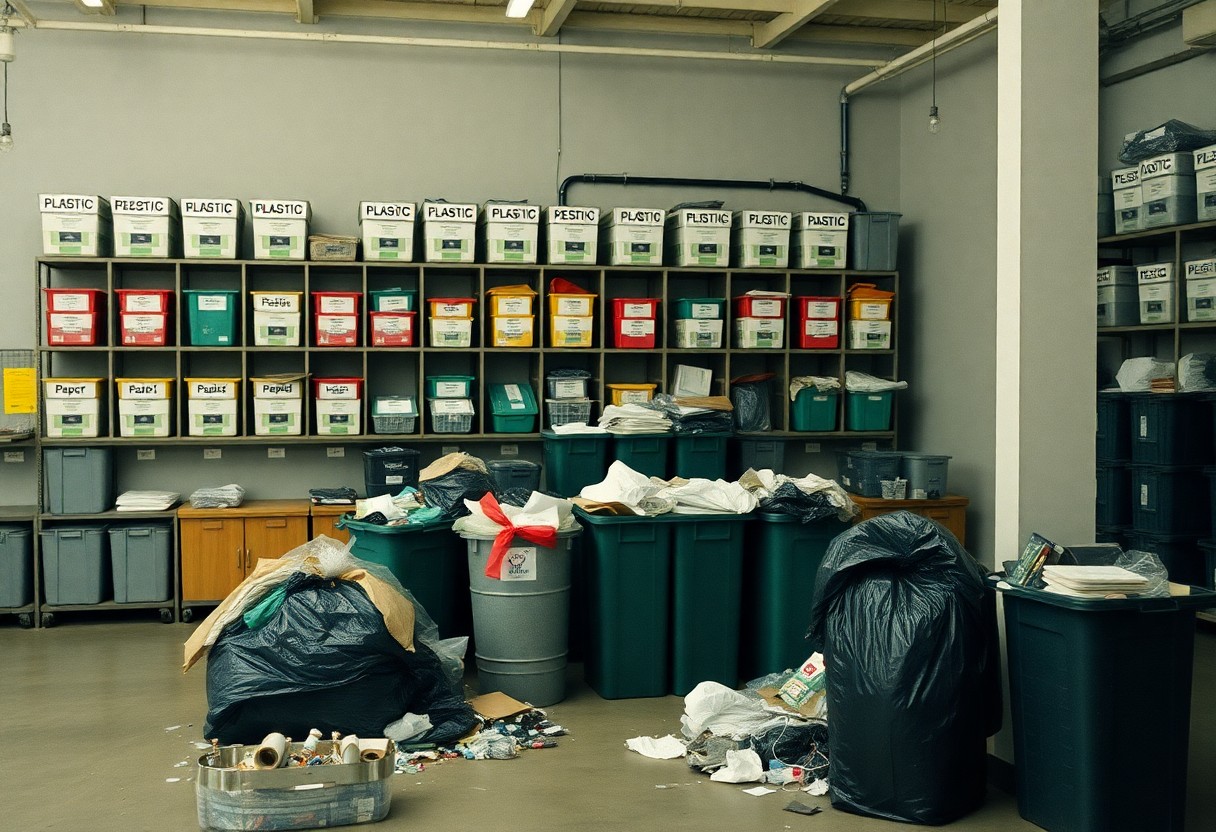
Efficient waste disposal starts with properly separating and sorting your trash. Recyclables, organics, and general waste each require specific bins to maximize recycling efforts and minimize landfill contributions. For instance, clean plastic, metal, and paper should go into recycling bins, while food scraps belong in composting systems.
Implementing a separation system can significantly reduce contamination in recycling streams. By setting aside designated bins for recyclables, compost, and trash, you streamline the process. For instance, use clear labels on bins and keep them in accessible locations to encourage participation from all household members. Studies show that communities that actively separate their waste can improve recycling rates by up to 30%, benefiting the environment and promoting a sustainable culture.
Common Pitfalls: The Don'ts of Waste Disposal
Avoiding certain mistakes can significantly increase your waste management efficiency. Ignoring proper disposal methods can lead to contamination, health hazards, and environmental damage. Avoiding common pitfalls is imperative for improving recycling rates and ensuring community safety. Engage with practices that support a sustainable future while being mindful of the materials you handle.
Avoid Contaminating Recyclables
Contaminating recyclables poses a significant threat to the recycling process. When items that cannot be recycled are mixed in, they can render entire batches unusable. This includes placing food-soiled containers or non-recyclable plastics in your recycling bin. Ensuring that recyclables are clean, dry, and free from residues maximizes their chance of being effectively processed.
Don't Overlook Hazardous Waste
Neglecting hazardous waste can lead to serious environmental and health risks. Items like batteries, paints, and chemicals require specific disposal methods to prevent contamination of soil and water sources. Failing to follow proper protocols not only endangers ecosystems but also poses legal consequences. Educate yourself about local regulations regarding hazardous waste to ensure safe and responsible disposal.
Improperly disposing of hazardous waste can have devastating repercussions. For instance, household batteries contain heavy metals that can leach into groundwater, leading to contamination issues. More than 3 million tons of hazardous waste are generated each year in the U.S., and a significant portion is incorrectly discarded. Always check for community collection events or designated drop-off locations for chemicals or electronic waste. Utilizing these resources not only protects your immediate environment but also plays a vital role in maintaining public health. Being proactive in hazardous waste management showcases your commitment to responsible waste disposal and community safety.
Innovative Practices for Sustainable Waste Reduction
Embracing the Zero Waste Philosophy
Adopting the zero waste philosophy transforms your approach to consumption and waste. This mindset encourages not just reducing trash, but also considering the entire lifecycle of products. You can minimize waste by choosing reusable items, making intentional purchases, and advocating for sustainable brands. Each small decision contributes to a greater impact, enabling you to shift toward a resource-efficient future.
Implementing Composting Techniques
Composting is an effective way to divert organic waste from landfills and enrich your soil. By converting kitchen scraps like fruit and vegetable peels into nutrient-rich compost, you reduce landfill volume and create a valuable resource for your garden. You can set up a home composting system with minimal space, utilizing either a traditional pile or a compact bin.
Starting a composting system can be straightforward. You can utilize kitchen scraps, yard waste, and even certain paper products to create a balanced mix of materials. The ideal composting ratio is around 2:1 browns (dry leaves, twigs) to greens (food waste, grass clippings). Regularly turning your compost promotes aeration and speeds up decomposition, usually yielding a rich soil amendment in just a few months. Incorporating compost into your gardening not only enhances plant health but also reduces the need for chemical fertilizers, further contributing to sustainable practices.
The Economic Impact of Waste Management Choices
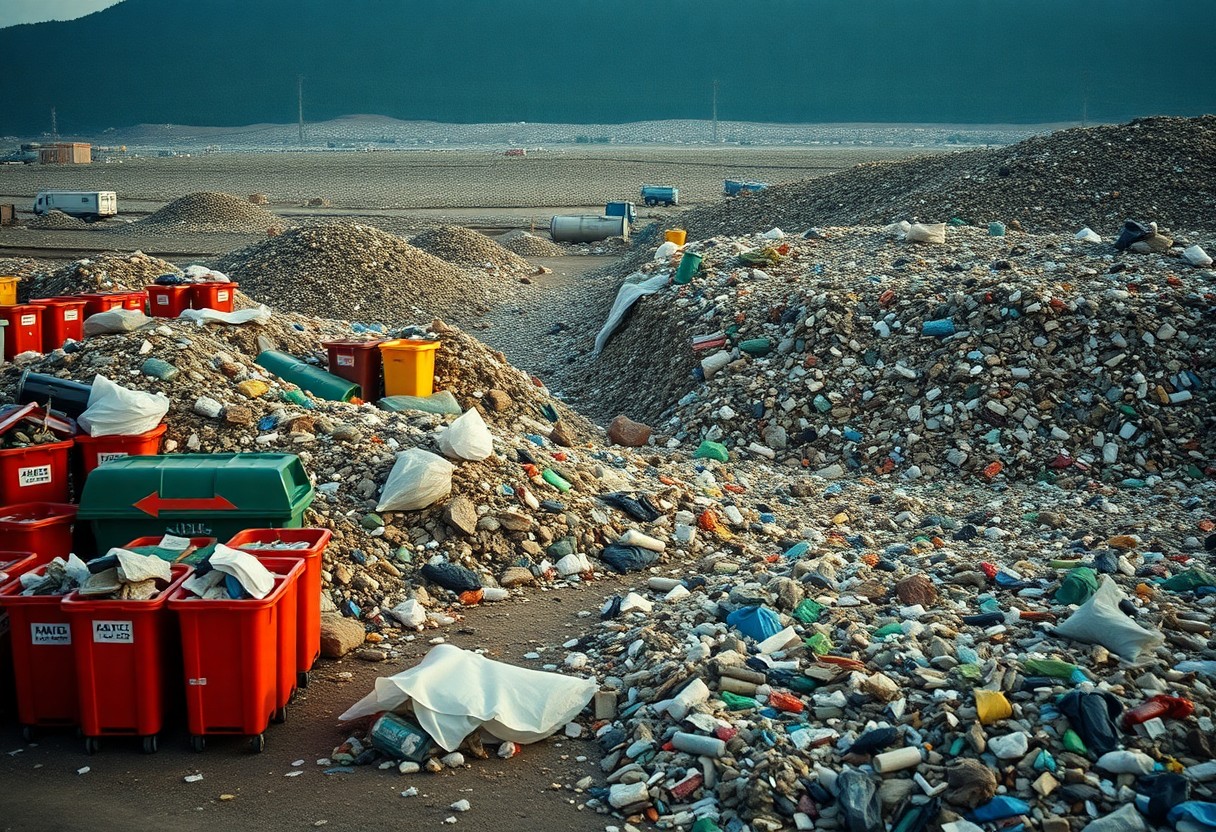
Your waste management choices significantly influence both short-term costs and long-term economic outcomes for communities. Efficient waste management practices can yield considerable savings, boost local economies, and promote sustainable growth. By adopting smarter strategies, such as increased recycling and reduced landfill dependency, you can contribute to a healthier environment while discovering economic benefits that ripple through the community.
Cost Analysis of Recycling vs. Landfilling
Recycling often incurs lower long-term costs compared to landfilling. While recycling programs may have initial setup expenses, the ongoing savings from reduced landfill fees and the potential income from selling recyclable materials can offset these costs. For instance, recycling aluminum saves up to 95% of the energy required for virgin production, translating into significant cost benefits over time.
Long-term Savings Through Waste Reduction
By prioritizing waste reduction, you can achieve substantial cost savings that benefit not just your household, but also the broader community. Reducing waste decreases the volume of materials that need to be processed, leading to lower disposal fees and reduced operational costs for waste management services.
Investing in waste reduction strategies, such as composting and minimizing single-use products, can lead to eco-conscious behaviors that save you money. Many families report cutting their waste bills by 20-40% through simple changes like meal planning and bulk purchasing. Increased environmental awareness drives innovation in waste management, prompting local governments to implement programs that promote and reward waste reduction. Ultimately, these collective efforts culminate in a more sustainable economic framework and a brighter future for everyone.

Shifting Perspectives: Waste as a Resource
Viewing waste as a resource rather than a burden opens up innovative pathways for sustainability. By reimagining the potential of materials that would typically be discarded, you can contribute to a regenerative system that minimizes environmental impact. This shift encourages creativity in processes, leading to more efficient resource use and the reduction of landfill dependency.
Understanding the Circular Economy
The circular economy promotes a closed-loop system where resources are reused, repaired, and recycled, minimizing waste. In this model, products are designed for longevity and recyclability, challenging the traditional linear economy of 'take, make, dispose.' By integrating circular principles, you play a role in reducing the demand for virgin materials and fostering sustainable practices.
Rethinking Consumption and Production
Rethinking consumption and production involves evaluating your purchasing habits and supply chain practices. Rather than opting for single-use products, choosing durable, sustainable alternatives can significantly reduce waste generation. Implementing strategies like bulk buying, sharing, and repairing not only minimizes waste but also saves money in the long run.
To truly embrace rethinking consumption and production, assess your daily habits for opportunities to reduce waste. For example, using reusable bags, water bottles, and containers can cut down on single-use plastics. Businesses can adopt sustainable sourcing strategies, focusing on local, eco-friendly materials that support the community. Engaging with initiatives like product take-back schemes encourages manufacturers to reclaim materials, ensuring they are reintroduced into the production cycle rather than ending up in landfills. By shifting your mindset toward sustainability and conscious consumption, you contribute to a healthier environment and a more sustainable future.
Conclusion
Taking this into account, effective waste management relies on your ability to distinguish between do's and don'ts. You should consistently recycle and compost to reduce landfill waste while avoiding contamination of recycling bins. Properly separate hazardous materials from regular trash to protect the environment. Ensure you educate yourself about local regulations and adhere to them. By embracing these practices, you enhance sustainable living and contribute positively to your community's waste management efforts.
FAQ
Q: What should I do with recyclable materials?
A: Clean and dry your recyclable materials. Place them in the designated recycling bin without any food residue.
Q: Can I throw away electronic waste in regular trash?
A: No, electronic waste should be brought to designated e-waste recycling facilities to prevent environmental harm.
Q: Is it okay to mix different types of recyclables?
A: No, keep different recyclables separated as required by your local recycling program to ensure proper processing.
Q: What types of items are not accepted in compost bins?
A: Avoid adding meat, dairy, and oily foods to compost bins, as they can attract pests and create odors.
Q: Should I bag my trash before putting it in the bin?
A: Yes, using waste bags is advisable to contain odors and prevent leakage, but ensure they are made from biodegradable materials if possible.
Q: How should I dispose of household hazardous waste?
A: Household hazardous waste must be taken to special collection sites or events designed for safe disposal.
Q: Can I use plastic bags for recycling?
A: No, plastic bags generally do not belong in recycling bins. Use a reusable container for transporting recyclables to the facility instead.