

Many event organizers overlook the significance of effective waste management, which can greatly impact your event's sustainability and reputation. By implementing a comprehensive waste management plan, you can reduce environmental damage and promote positive attendee experiences. Being proactive in waste disposal not only showcases your commitment to the environment but also helps minimize costs associated with clean-up and disposal. In this post, you will discover crucial strategies to manage waste effectively during your events.
Key Takeaways:
- Implement a waste reduction plan before the event to minimize materials used.
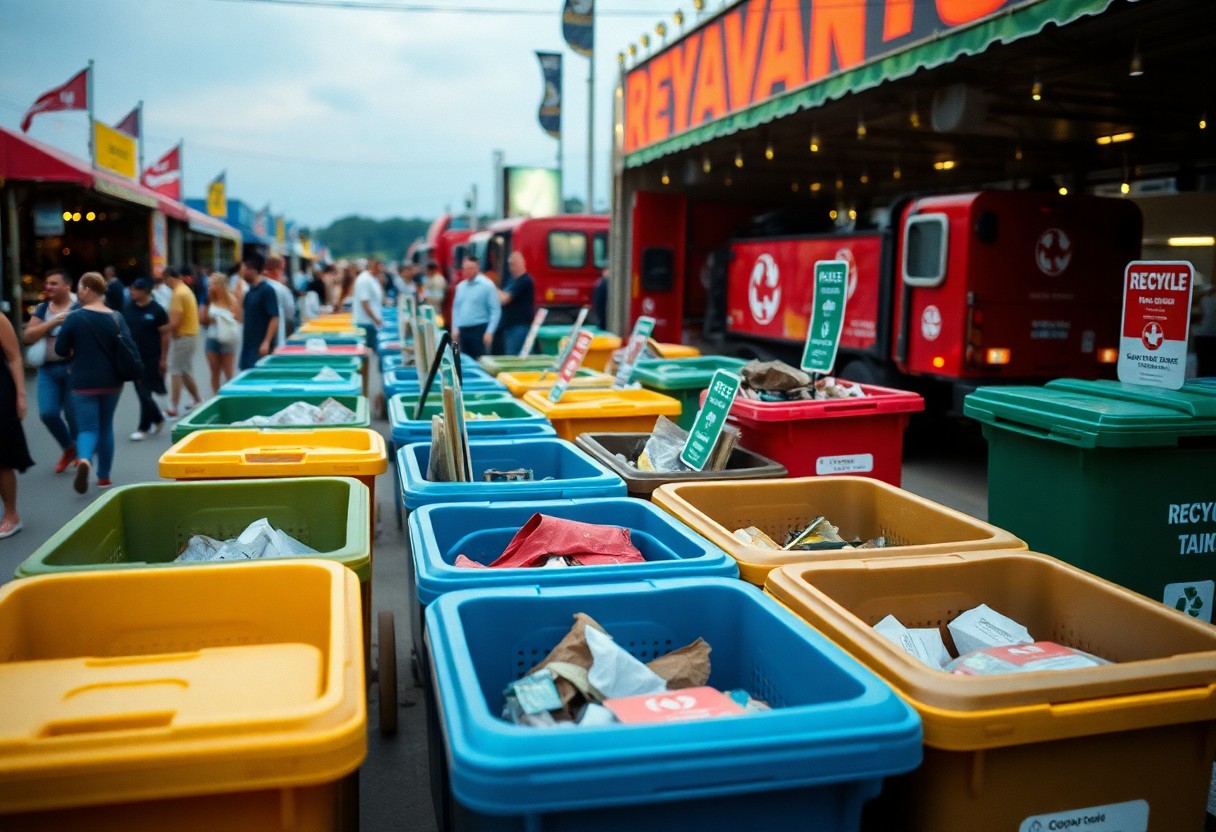
- Provide clearly labeled recycling and composting bins to facilitate proper disposal.
- Utilize digital resources and communications to reduce printed materials.
- Partner with local waste management services for efficient disposal and recycling options.
- Educate attendees on sustainable practices and the importance of waste management during the event.
The True Cost of Waste at Events
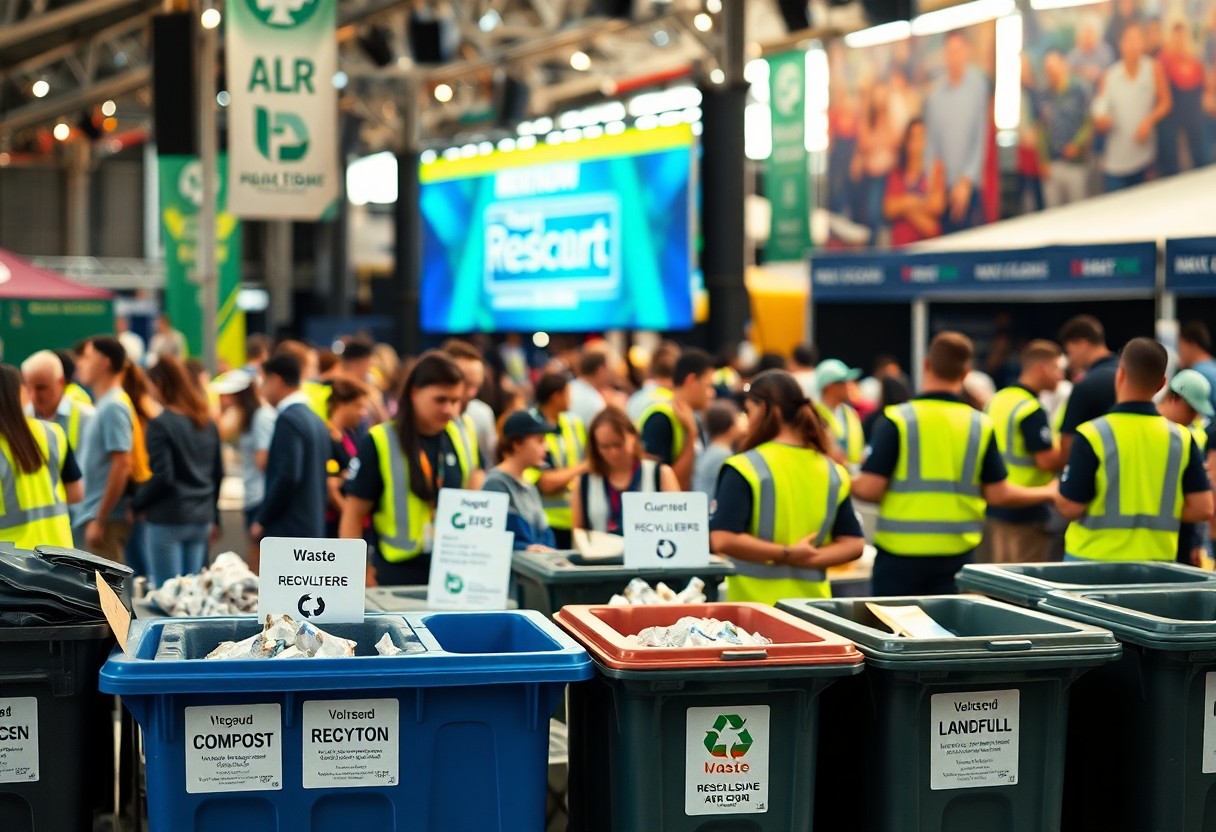
Underestimating waste management at events can lead to significant financial and environmental repercussions. You might think cutting costs on waste disposal is a smart move, but in reality, poor waste practices can inflate expenses due to last-minute waste pickups, fines for improper waste disposal, and potential damage to your event's reputation. A lack of planning often results in missed opportunities for recycling and composting, ultimately increasing landfill contributions and diminishing your event's sustainability efforts.
Environmental Impact: Numbers That Matter
Events contribute significantly to global waste, with studies showing that a single festival can generate up to 1,000 tons of waste in just a weekend. This includes materials that could have been recycled or composted. For instance, only 30% of event waste is typically diverted from landfills, leading to substantial carbon emissions and environmental degradation. The involvement of effective waste management systems can dramatically shift these statistics, reducing your event's ecological footprint.
Economic Consequences of Poor Waste Management
Inefficient waste management can cost you beyond just disposal fees. The financial implications include increased labor costs for cleanup, waste removal fees that can spike due to mishandling, and diminished attendee satisfaction, which can translate into lower future attendance. Events focused on sustainability see an average increase of 25% in sponsorship opportunities because companies are more inclined to support environmentally responsible events. Failing to address waste adequately can, therefore, be a missed opportunity for revenue growth.
Designing an Efficient Waste Management Strategy
An effective waste management strategy requires planning and attention to detail, ensuring that every aspect of your event minimizes waste generation and maximizes recycling and recovery. Start by assessing the types of waste your event will produce, from food scraps to promotional materials, and develop a clear plan to handle each category. Consider factors such as venue capacity, expected attendees, and the specific waste disposal services available in your area. Implementing a cohesive strategy not only meets sustainability goals but also enhances the overall attendee experience.
Setting Clear Waste Diversion Goals
Establishing waste diversion goals helps you measure success and allocate resources effectively. Aim for specific percentages of waste to be recycled, composted, or diverted from landfills. For example, setting a goal to divert at least 60% of waste can guide decision-making and inform your waste management plan. Engaging the entire team and stakeholders in these goals promotes accountability and encourages innovative solutions.
Selecting Appropriate Waste Solutions
Your choice of waste management solutions directly affects the success of your waste diversion efforts. Partner with local waste management companies that align with your sustainability goals and can provide tailored services such as recycling, organics collection, and waste-to-energy options. Research their track records and capabilities to ensure they meet the needs of your event. Consider innovative options like on-site composting or digital materials to reduce the printed waste and enhance your overall strategy.
In selecting appropriate waste solutions, prioritize vendors that offer comprehensive services tailored to the unique inputs of your event. Look for companies experienced in handling the specific materials you'll generate, whether that's food waste, mixed recyclables, or e-waste from technology use. For instance, some companies provide visible waste stations with clear signage to educate attendees on proper disposal methods, ultimately increasing participation in your waste diversion initiatives. Collaborate with these partners early on to craft a solution that seamlessly integrates with your event logistics and maximizes waste diversion outcomes.
Essential Tools for Effective Disposal at Events
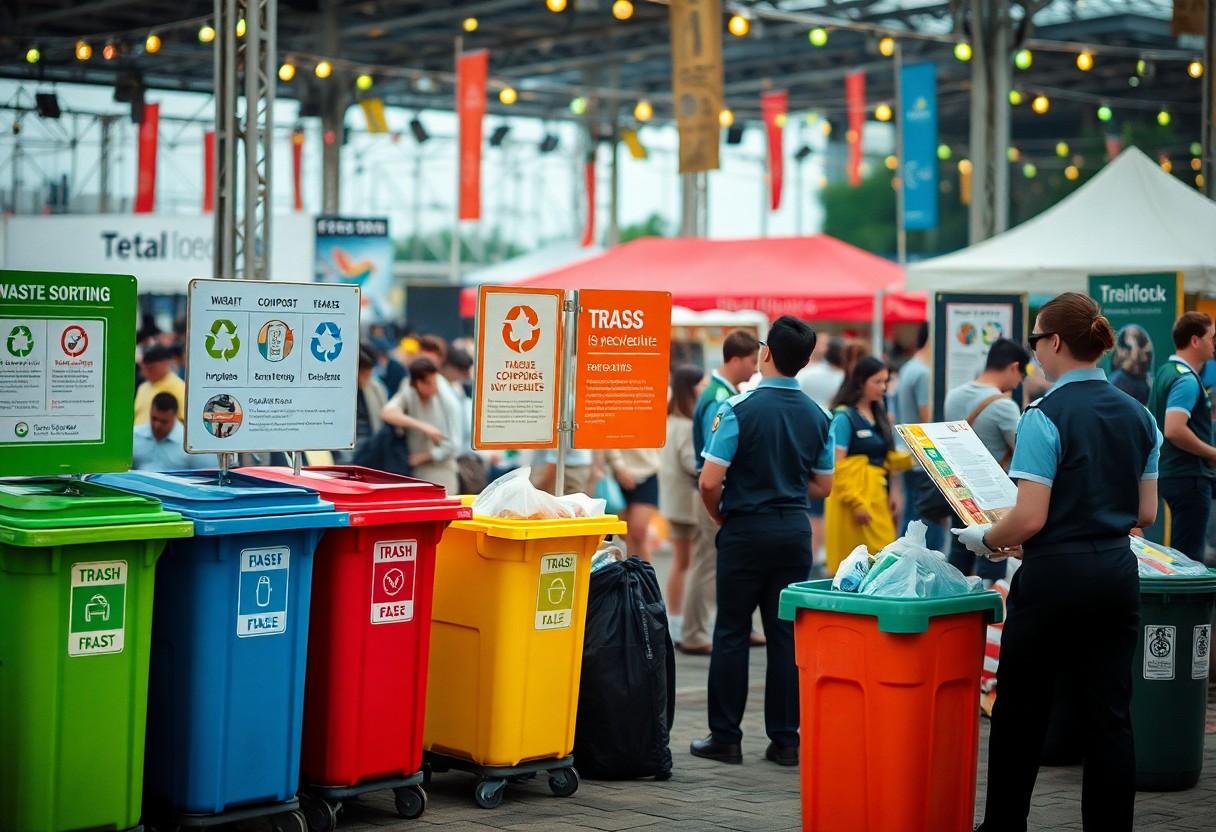
Integrating the right tools enhances waste management at events, streamlining processes while promoting sustainability. Assess your event size and type to determine the necessary equipment and resources. Consider setting up various stations dedicated to recycling, composting, and landfill waste, and equip them with clear signage to guide attendees. Engaging local waste management services can also ensure proper disposal methods are employed, resulting in an efficient and eco-friendly waste strategy.
Utilizing Technology for Waste Tracking
Implementing technology in waste management allows for real-time waste tracking and data analytics. Mobile apps and software solutions can monitor waste generation, record disposal metrics, and provide insights into recycling rates. By utilizing these tools, you can quickly identify trends and adjust your strategies, ensuring more effective waste management throughout your event.
On-Site Solutions: Bins, Bags, and Stations
On-site solutions are pivotal for maintaining cleanliness and promoting recycling at your event. Designated bins and bags for trash, recycling, and compost ensure proper segregation of waste. Utilizing well-placed waste stations with clear instructions minimizes contamination and encourages responsible disposal behavior among attendees.
Strategically placing waste bins throughout the venue can drastically impact waste management efficiency. Separating bins for different materials (such as plastics, metals, and organics) simplifies the disposal process and enhances recycling rates. Case studies show that events implementing clear, visually distinct signs and educating staff about waste segregation typically report less contamination and increased recycling success by up to 40%. Providing adequate receptacles at various touchpoints, like food areas and entrances, ensures your attendees have convenient options, driving down overall waste generation and supporting sustainability goals.
Engaging Attendees in Waste Reduction Efforts
Active participation from attendees significantly enhances waste reduction efforts at events. Engaging your guests through interactive activities and educational programming creates a sense of responsibility and ownership over the event's sustainability goals. You can transform waste reduction into a shared experience, fostering a culture of sustainability that remains long after the event concludes.
Creating Awareness Through Signage and Messaging
Your event's signage and messaging play a pivotal role in educating attendees about waste management. Clear and visually appealing signs can highlight recycling stations, composting options, and proper waste disposal methods. Use bold graphics and simple language to convey important information quickly, ensuring everyone is informed and motivated to participate in your waste reduction initiatives.
Incentivizing Sustainable Behavior
Offering incentives for sustainable behavior can significantly boost participant engagement. Consider implementing reward systems that recognize and celebrate attendees who actively reduce waste. Whether through discounts on food, exclusive access to VIP areas, or entries into a prize draw, these incentives transform environmentally friendly actions into rewarding experiences that participants will remember.
Incentivizing sustainable behavior not only encourages attendees to recycle and reduce waste, but it also creates a positive atmosphere around sustainability. For example, at the annual Ecofest, event organizers tracked the recycling efforts of attendees through a points system; participants earned points for using reusable containers and correctly sorting their waste. The top point earners received eco-friendly prizes, creating friendly competition. Such initiatives can lead to a measurable reduction in waste generation and foster a community that values environmental responsibility, significantly enhancing your event's overall impact.
Measuring Success: Metrics That Make a Difference
Measuring the success of your waste management strategy is necessary for understanding impacts and areas for improvement. By analyzing data, you can gauge the effectiveness of your initiatives and demonstrate the value of your sustainability efforts to stakeholders. Metrics such as total waste generated, recycling rates, and participant engagement levels provide insight into what works and what needs adjustment, allowing you to continuously enhance your event's sustainability performance.
Tracking Diversion Rates and Key Performance Indicators
To assess your waste management effectiveness, focus on tracking diversion rates, which reflect the percentage of waste diverted from landfills through recycling and composting. Setting clear key performance indicators (KPIs)—including waste generation per attendee and percentage of materials recycled—allows for targeted improvements. For example, aiming for a diversion rate of 75% can drive your promotional efforts and create a competitive culture around waste reduction at your event.
Leveraging Feedback for Continuous Improvement
Collecting feedback from participants and stakeholders fosters a culture of accountability and encourages innovative ideas for improving waste management practices. This feedback loop can surface insights that quantitative data may miss, such as specific areas where attendees feel more education is needed or suggestions for enhancing recycling stations. Integrating these insights into your planning process ensures that every event is not only successful in waste management metrics but also aligned with the values and expectations of your participants.
Actively seeking and integrating feedback on your waste management strategy drives continuous improvement. Consider post-event surveys that include questions about waste disposal ease and the clarity of recycling instructions. Analyzing this feedback can highlight trends and pinpoint issues, allowing adjustments to be implemented in real-time for future events. Engaging attendees and staff in this reflection creates a sense of collective ownership, enhancing their commitment to sustainability while refining your practices for even greater efficacy.
To wrap up
On the whole, effective waste management for events significantly enhances your environmental impact and attendee experience. By planning ahead, implementing recycling and composting programs, and educating your participants, you can minimize waste and promote sustainability. This proactive approach not only reduces your ecological footprint but also demonstrates your commitment to responsible practices. Prioritizing waste management will lead to a more successful event, encouraging others to follow your example in the future.
FAQ
Q: What is waste management for events?
A: Waste management for events involves planning, implementing, and monitoring procedures to reduce, recycle, and properly dispose of waste generated during an event. This aims to minimize environmental impact.
Q: Why is waste management important for events?
A: Effective waste management is important for events to reduce landfill contributions, promote sustainability, enhance attendee experience, and comply with local regulations regarding waste disposal.
Q: How can events reduce waste generation?
A: Events can reduce waste by offering digital tickets, encouraging reusable materials, providing clear recycling options, and planning for excess food redistribution through local charities.
Q: What types of waste are typically generated at events?
A: Common types of waste generated at events include organic waste, plastic bottles, paper products, food containers, and leftover food, among others. Proper categorization is important for effective management.
Q: How can event organizers encourage recycling among attendees?
A: Organizers can encourage recycling by placing clearly labeled bins throughout the venue, providing educational materials about recycling practices, and incentivizing recycling behavior, such as through competitions.
Q: What role does local government play in waste management for events?
A: Local government may set regulations concerning waste disposal, provide guidelines for event organizers, and offer resources or support for waste management initiatives, helping events comply with environmental standards.
Q: How can post-event waste audits benefit future events?
A: Post-event waste audits help identify the effectiveness of waste management strategies, areas for improvement, and insights into waste generation patterns. This data can inform better planning for future events, enhancing sustainability efforts.