

With effective waste management practices, you can significantly reduce your household's environmental impact. By understanding proper disposal methods for various materials, you can ensure that harmful substances do not contaminate your surroundings. Implementing recycling and composting not only decreases landfill waste but also promotes sustainability in your community. By taking responsibility for your waste, you contribute to a healthier planet and can even save money on disposal costs.
Key Takeaways:
- Implement source separation of recyclables, organics, and trash to enhance overall waste diversion.
- Participate in local composting programs to reduce food waste sent to landfills.
- Educate residents on proper disposal methods and materials accepted in recycling programs.
- Utilize bulk waste collection services for large items, reducing illegal dumping.
- Encourage community involvement in clean-up events to promote environmental stewardship.
The Environmental Cost of Household Waste
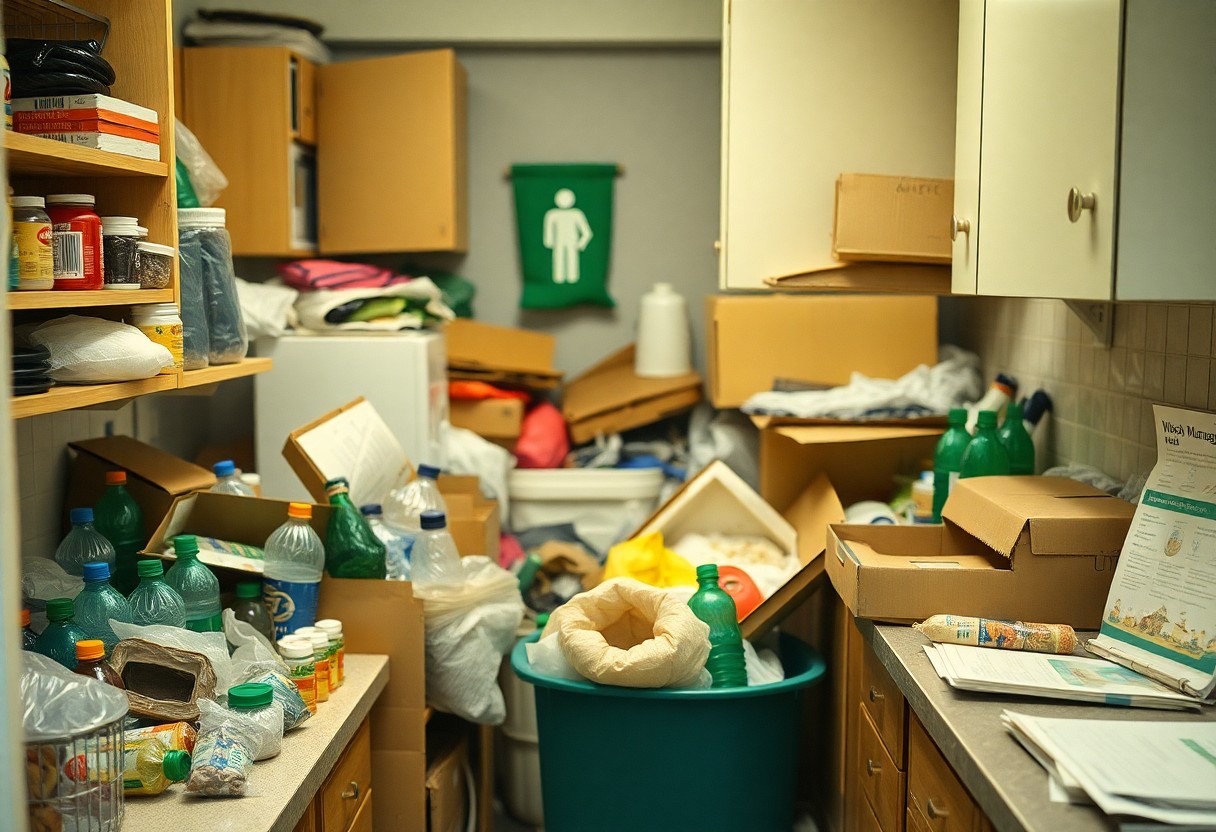
Your household waste has significant environmental implications that often go unnoticed. Across the globe, approximately 30% of the waste each year winds up in landfills, releasing harmful greenhouse gases like methane. These emissions not only contribute to global warming but also degrade the quality of air and soil. The choice of waste management practices significantly influences local ecosystems and your overall carbon footprint. Understanding and addressing these costs is vital for a healthier planet.
Impact on Landfills and Oceans
Landfills overflow with untreated waste, posing serious threats to both terrestrial and marine environments. As waste decomposes, it leaches toxins into the soil and waterways, contaminating nearby ecosystems. Oceans suffer similarly, with millions of tons of plastic waste entering each year, harming marine life and disrupting delicate aquatic ecosystems. Your waste habits play a direct role in these alarming trends.
The Role of Pollution in Climate Change
Pollution from household waste, particularly plastics and organic matter, exacerbates climate change by releasing greenhouse gases at various stages. For instance, landfill emissions account for about 15% of global methane emissions, a potent greenhouse gas that is significantly more effective than carbon dioxide in trapping heat. Moreover, burning waste contributes to air pollution, further increasing respiratory issues among communities. Every item you choose to recycle, compost, or dispose of properly helps mitigate these harmful effects, showcasing the power of individual actions in addressing climate challenges.
Innovations in Waste Reduction
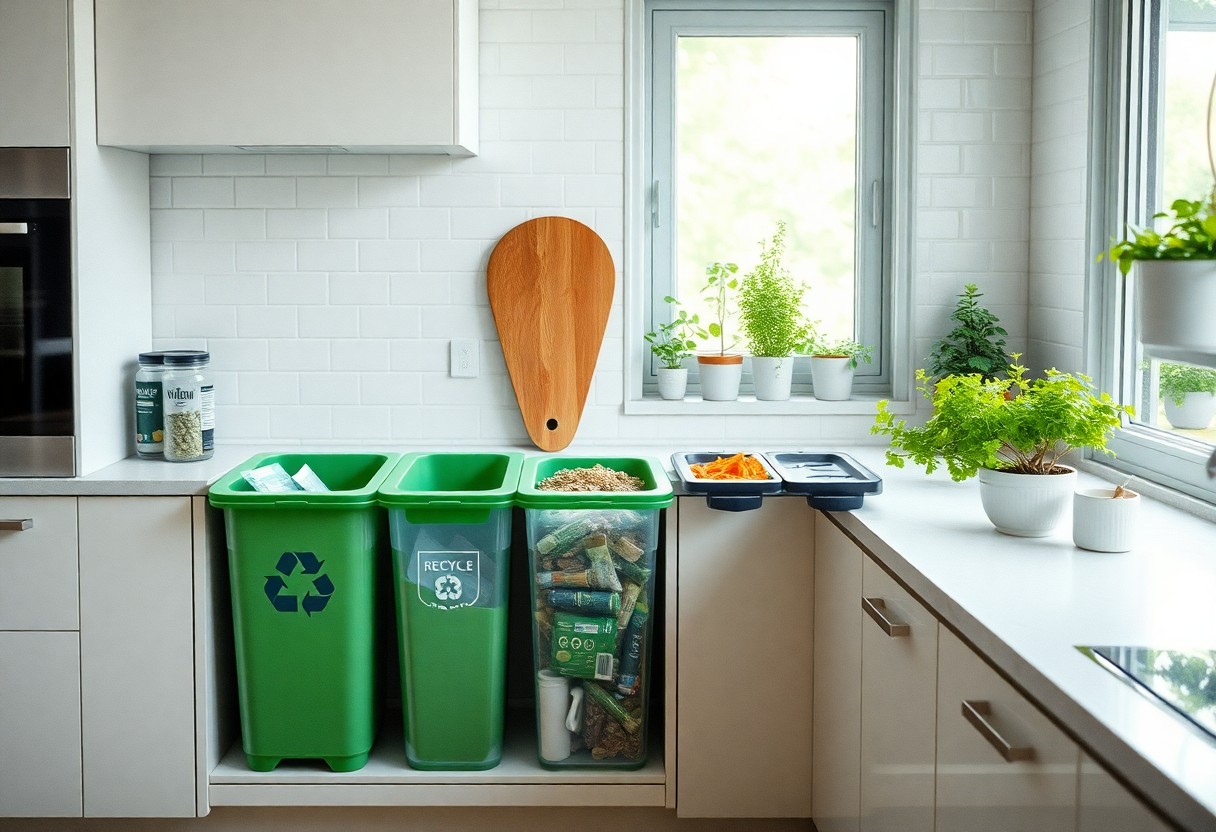
Novel strategies are reshaping waste reduction practices in households, focusing on reducing the volume of waste produced. Innovative approaches like smart waste tracking apps, which help you monitor your waste habits, and community-based zero-waste initiatives are emerging as effective solutions. By incorporating these methods, you can significantly reduce your household's ecological footprint while contributing to a more sustainable future.
Composting: Turning Waste into Treasure
Composting transforms your kitchen scraps and yard waste into nutrient-rich soil, reducing landfill contributions. As you compost, organic materials decompose naturally, creating a valuable resource for gardening. This process not only diverts waste but also enriches your garden's soil, promoting healthier plants and reducing the need for chemical fertilizers.
Recycling Technologies That Are Changing the Game
Advancements in recycling technologies are enhancing your ability to recycle effectively. Innovations such as automated sorting systems using AI and robotics can process recyclables more efficiently, minimizing contamination rates. These technologies enable better recovery of materials, turning them back into useable resources. Moreover, companies are developing chemical recycling processes that break down plastics to their original monomers, allowing for unlimited recycling potential.
Automated sorting systems now utilize cutting-edge artificial intelligence to identify and separate recyclable materials with remarkable accuracy. These systems can increase the recovery rate of valuable materials by up to 30%, significantly reducing waste sent to landfills. Furthermore, chemical recycling technologies can convert mixed plastics back into their base components, making it possible to recycle materials that were previously deemed non-recyclable. By adopting these innovations, you can play a pivotal role in enhancing recycling efforts and reducing environmental impact. This evolution in recycling not only improves efficiency but also fosters a circular economy where materials are continuously reused.
Practical Steps for Effective Waste Separation
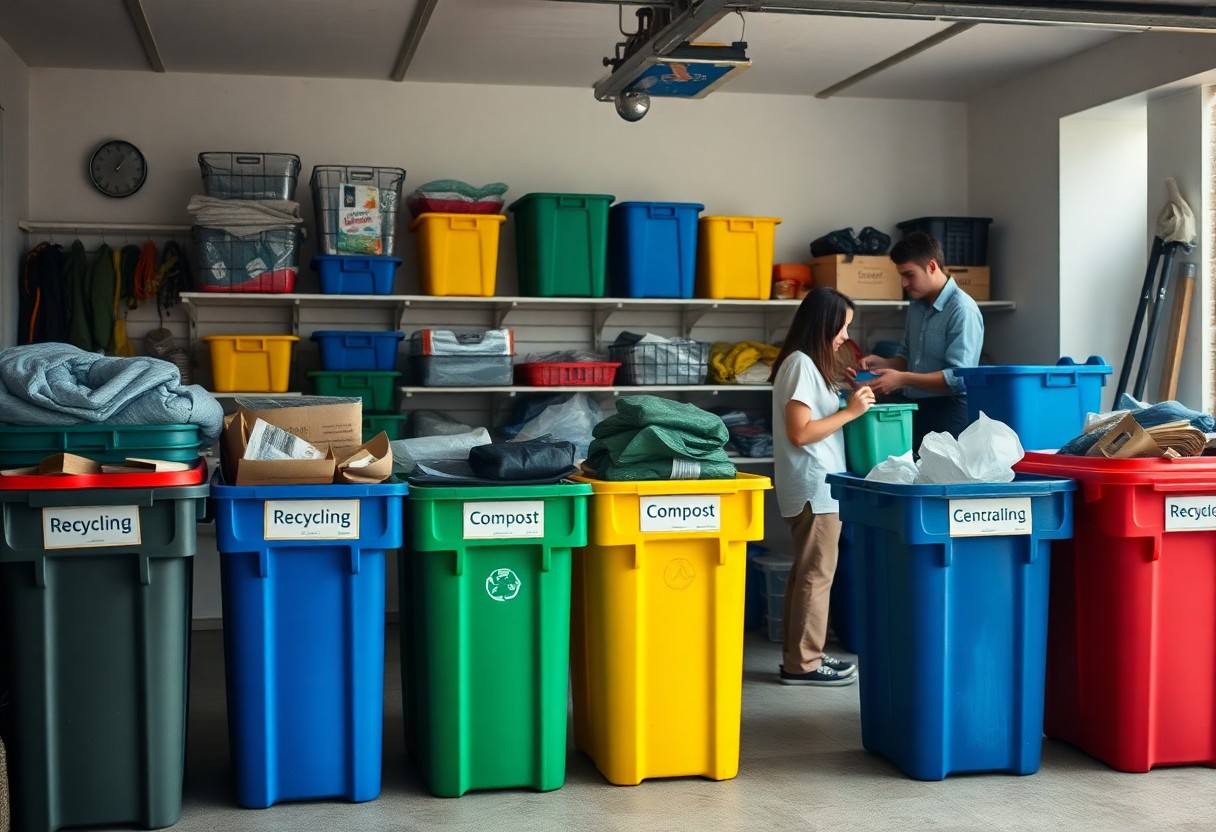
Implementing effective waste separation starts with considering your disposal methods. Set up separate bins for recyclables, organic waste, and general trash in your kitchen and other key areas of your home. This makes it easier to sort items immediately, increasing the likelihood that you'll dispose of them correctly. Adopting simple strategies, like using clear labels and keeping a waste guide handy, can streamline the process and help you maintain consistency in your efforts.
The Ultimate Guide to Categorizing Trash
Categorizing your trash effectively requires an understanding of what can and cannot be recycled. Begin by separating your waste into three main categories: recyclables (like plastics, paper, and metal), organic waste (such as food scraps and garden waste), and general refuse. Each category should have its own designated bin, and local recycling guidelines will provide specifics on what materials are accepted in your area. Make it a habit to check these guidelines regularly to ensure you're doing your part.
Common Mistakes in Residential Recycling
Many households fall into common pitfalls regarding recycling practices. Contaminating recyclables with food residue can lead to entire batches being discarded, undermining sustainability efforts. Additionally, including non-recyclable items, such as plastic bags or certain types of glass, may result in fines or added fees from waste management services. Understanding these issues will enhance your recycling efficiency.
One major mistake is the assumption that all plastics are recyclable. In fact, only specific types, indicated by a number inside a triangle, are accepted in most programs. Furthermore, items like greasy pizza boxes, polystyrene foam containers, or mixed materials often confuse residents, leading to contamination. Misclassifying or failing to clean recyclables can nullify the efforts of recycling centers, often resulting in the entire load being sent to landfills instead. By prioritizing education around local recycling protocols, you can significantly improve your contribution to waste management within your community.
Community Initiatives Driving Change
Community initiatives play a pivotal role in transforming waste management practices at the residential level. Local organizations and governments work together to implement programs that reduce waste, improve recycling rates, and promote sustainability within neighborhoods. Engaging residents through education and active participation fosters a sense of ownership and accountability, leading to effective long-term change. Initiatives focusing on composting, responsibly disposing hazardous waste, and organizing clean-up events not only enhance your community's environment but also strengthen social ties among residents.
Local Programs That Inspire Action
Local programs frequently inspire action by showcasing successful waste reduction strategies tailored to your community's needs. For instance, many municipalities offer free workshops on composting and recycling, empowering you with the skills needed to manage waste effectively. Community gardens and shared composting bins are becoming increasingly popular, turning waste into valuable resources. By participating in these initiatives, you can contribute to a collective effort that promotes sustainability while enhancing your neighborhood's appeal.
How Neighborhood Engagement Boosts Recycling Rates
Active neighborhood engagement significantly increases recycling rates by creating a supportive environment for change. Research shows that areas with organized recycling drives and educational events report up to 30% higher participation rates. When you become involved alongside your neighbors, the shared goals and collaborative spirit enhance commitment to recycling initiatives, making waste management a communal obligation. Through friendly competitions and incentive programs, your engagement translates directly to improved recycling practices.
Neighborhood engagement not only fosters a sense of community but also reinforces the importance of recycling in everyday life. For instance, local challenges can incentivize households to compete for the greatest reduction in waste, offering rewards such as discounts at local businesses. Personal testimonies from residents who actively participate create momentum and inspire others to join. This collective momentum can lead to a demonstrable shift in behaviors, with data showing that communities that engage together see significant increases in recycling rates, sometimes reaching up to an impressive 50% increase over time.
The Future of Waste Management at Home
Emerging trends indicate a significant shift towards innovative solutions in residential waste management. As households increasingly adopt eco-friendly practices, technologies aimed at enhancing efficiency and reducing landfill contributions are becoming important. This future landscape is characterized by greater community engagement, smarter resource use, and sustainable living, paving the way for a cleaner, healthier environment.
Smart Technologies That Streamline Waste Disposal
Integration of smart technologies in home waste management is revolutionizing how you handle disposal. Devices like smart bins equipped with weight sensors and app connectivity can alert you when they're full, optimizing collection schedules and reducing overflow. Additionally, AI-assisted sorting systems can help you separate recyclables from non-recyclables more efficiently, ensuring you contribute less to landfills while maximizing recycling efforts.
The Shift Towards Zero Waste Living
The zero waste movement encourages you to minimize your waste output by adopting sustainable habits. By focusing on refuse, reduce, reuse, recycle, and rot (composting), you can significantly limit trash sent to landfills. This philosophy not only benefits the environment but fosters creativity in how you perceive waste, pushing you towards more sustainable consumer choices.
Embracing zero waste living means participating in a comprehensive lifestyle overhaul. For instance, you might choose bulk buying to reduce packaging waste or make homemade cleaning products to avoid single-use containers. According to a survey, nearly 54% of consumers are now seeking out brands that prioritize sustainability; this shift means your purchasing decisions can directly impact larger environmental trends. Implementing composting at home not only enriches your garden but also reduces food waste, reinforcing the idea of a cyclical relationship with resources.
To wrap up
With these considerations, you can enhance your waste management practices at home, ensuring efficient sorting, reduction, and recycling. By being mindful of your consumption habits and implementing effective disposal methods, you can significantly decrease your environmental impact. Utilizing local resources and services will not only streamline your waste processes but also foster a more sustainable community. Adopting these strategies not only benefits your household but also contributes positively to the broader ecosystem.
FAQ
Q: What is residential waste management?
A: Residential waste management involves the collection, transportation, and disposal of waste generated by households. It includes strategies to reduce, recycle, and manage waste effectively.
Q: How can I reduce waste at home?
A: You can reduce waste by adopting practices such as composting organic waste, recycling materials like paper and plastic, purchasing products with minimal packaging, and reusing items whenever possible.
Q: What types of waste are generated in a residential setting?
A: Common types of residential waste include organic waste (food scraps), recyclables (plastics, paper, glass), hazardous waste (batteries, cleaners), and general trash (non-recyclable materials).
Q: How can I properly recycle in my area?
A: Check with your local waste management authority for specific recycling guidelines. This may include details on what materials can be recycled, collection schedules, and any drop-off locations available.
Q: What should I do with hazardous household waste?
A: Hazardous household waste should be disposed of according to local regulations. Many communities offer designated days for hazardous waste collection or specific drop-off sites for safe disposal.
Q: How often is residential waste collected?
A: Residential waste collection frequency can vary by municipality. Typically, it is collected weekly or bi-weekly for general trash and recycling, while special collections may occur for bulk items or hazardous materials.
Q: What are the environmental benefits of effective waste management?
A: Effective waste management reduces landfill waste, conserves natural resources through recycling, decreases pollution, and minimizes greenhouse gas emissions, contributing positively to environmental sustainability.