

It's crucial for you to understand that effective waste management is not just a trend but a vital necessity. As your community grapples with increasing waste production, the impact on human health and the environment is more pressing than ever. Poor waste disposal can lead to pollution, the spread of disease, and climate change. By adopting better waste management practices, you can contribute to a cleaner, healthier planet and promote sustainable living. Your actions today can significantly reduce the harmful effects of waste and encourage a more responsible approach toward resources.
Key Takeaways:
- Effective waste management reduces environmental pollution and protects ecosystems.
- Proper waste disposal minimizes health risks associated with waste accumulation.
- Recycling and waste reduction conserve natural resources and reduce energy consumption.
- Waste management enhances urban aesthetics and promotes community well-being.
- Implementing efficient waste systems stimulates economic growth through jobs and innovation.
The Looming Environmental Crisis
The escalating environmental crisis is largely fueled by the excess waste generated across the globe. Landfills are brimming, while oceans are choked with plastic, directly impacting biodiversity and ecosystems. If urgent action is not taken, the repercussions will intensify, resulting in irreversible damage that threatens not only wildlife but also human health and livelihoods.
The Impact of Waste on Natural Resources
Waste management practices significantly affect your natural resources. Improper disposal leads to the contamination of soil and water sources, forcing you to confront the scarcity of clean drinking water and fertile land. Each ton of waste inadequately managed contributes to the depletion of vital resources, necessitating the urgent need for more sustainable approaches to waste reduction and recycling.
Pollution: The Overlooked Consequence of Neglected Waste
Neglected waste creates a ripple effect of pollution that often goes unnoticed. Toxic substances leach into the environment, leading to air, soil, and water contamination. Industries and communities alike suffer when waste is not treated responsibly, resulting in long-term impacts on human health, biodiversity, and climate change.
Inadequately managed waste disproportionately affects underprivileged communities, where exposure to hazardous materials can lead to adverse health outcomes. In urban areas, the accumulation of waste not only degrades aesthetics but can also contribute to respiratory issues due to increased airborne pollutants. Just as alarming, waterways become conduits for toxins that enter food chains, affecting both wildlife and human populations. Going forward, addressing this overlooked form of pollution must be a priority to ensure sustainable living conditions for future generations.

Economic Implications of Ineffective Waste Disposal
Ineffective waste disposal imposes significant economic ramifications on communities. The costs associated with cleaning up illegal dumping sites, managing overflowing landfills, and dealing with environmental health issues can quickly escalate. These burdens divert valuable resources away from necessary services like education and infrastructure, ultimately affecting local economies. Additionally, the perception of poorly managed waste areas can deter investment and tourism, undermining potential revenue streams.
Hidden Costs: How Waste Affects Local Economies
Waste mismanagement generates hidden costs that often go unnoticed until they manifest as financial strain on local economies. For instance, communities that fail to implement effective waste management may see increased public health expenditures due to pollution-related illnesses. Declining property values near neglected waste sites can further diminish local tax revenues, placing additional stress on local services and infrastructure.
The Financial Benefits of Sustainable Waste Management Practices
Implementing sustainable waste management practices can yield substantial financial benefits for communities. By investing in recycling and composting initiatives, municipalities can drastically cut landfill costs and open up new revenue streams through the sale of recycled materials. In fact, communities that adopt circular economy models often report savings that run into the millions, making waste reduction not just an environmental imperative but a sound economic strategy.
Consider the case of San Francisco, which achieved a 80% diversion rate from landfills through its comprehensive recycling and composting programs. This initiative not only reduced waste disposal costs but also generated over $50 million in revenue from the sale of recycled materials and compost. By adopting these practices, you can enhance your community's resilience to environmental crises while simultaneously boosting the local economy through job creation and reduced operating costs.
The Role of Technology in Revolutionizing Waste Management
Advanced technologies are dramatically reshaping waste management practices, leading to more efficient and sustainable solutions. Tools like artificial intelligence and IoT enable real-time monitoring of waste levels, optimizing collection routes and reducing operational costs. Moreover, innovations such as waste-to-energy systems convert waste into valuable energy resources, providing a dual benefit of waste reduction and energy production. By embracing technology, you can positively impact not just your community but also the environment.
Innovations That Are Shaping the Future of Waste Disposal
Emerging innovations are transforming waste disposal methods, creating safer and cleaner environments. Automated sorting systems powered by machine learning can identify and separate recyclables from general waste with impressive accuracy, increasing recycling rates. Additionally, the development of biodegradable materials offers a sustainable alternative to traditional plastics, lessening the burden on landfills. These advancements signify a major shift towards more responsible waste management practices that benefit you and the planet.
How Smart Technology Can Optimize Recycling Efforts
Smart technology streamlines recycling processes, making them more effective and user-friendly. Applications that gamify recycling, such as reward systems for individuals and communities, encourage participation and promote awareness. Sensors installed in recycling bins can signal when they're full, ensuring timely collection and minimizing overflow. This not only improves efficiency but also enhances your overall recycling experience, encouraging greater adherence to sustainable practices.
Utilizing advanced data analytics, smart technology can track recycling patterns in real-time, enabling waste management authorities to allocate resources more effectively. For instance, cities using AI-driven algorithms have seen improvements in recycling rates exceeding 30% within months of implementation. Such targeted approaches ensure that you contribute to a circular economy, reducing contamination and increasing the quality of recyclables processed. By adopting these smart technologies, you not only help the environment but also create a more sustainable future for generations to come.
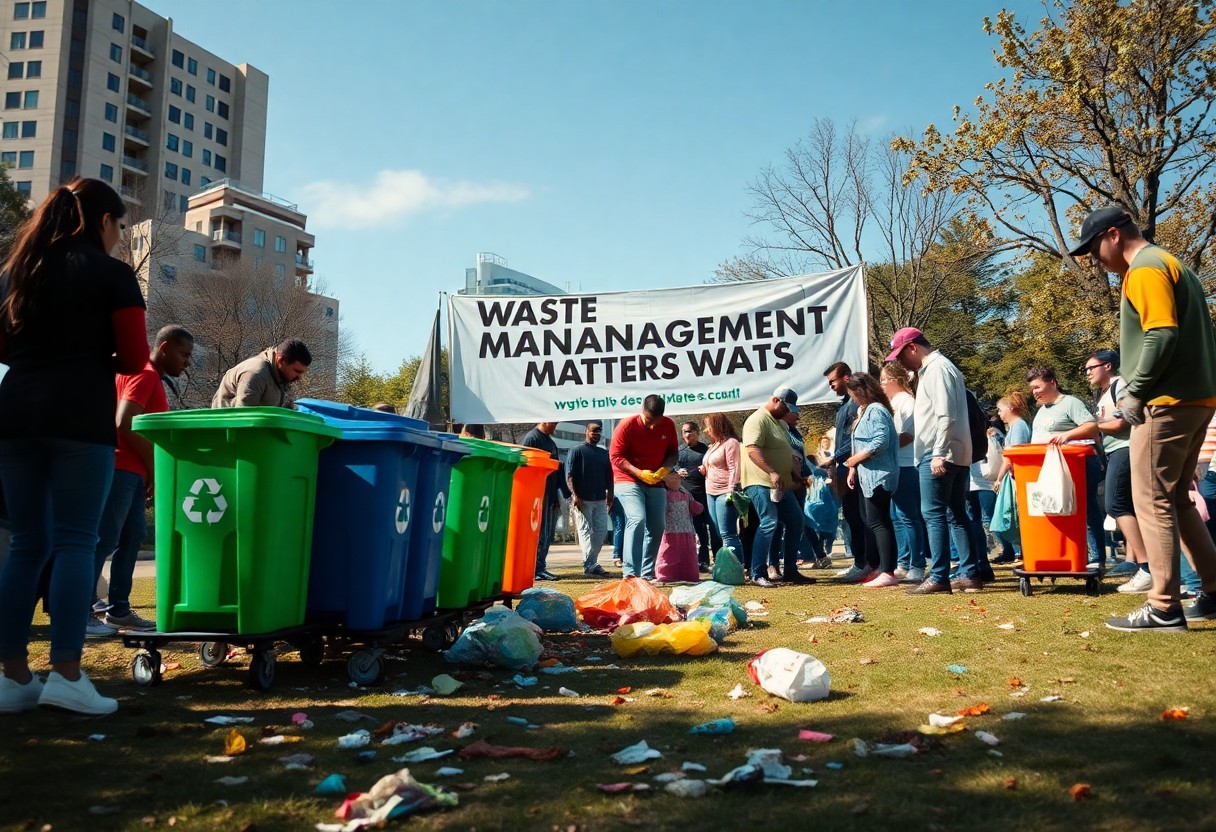
Community Engagement: The Key to Successful Waste Initiatives
Active participation from the community enhances the effectiveness of waste management initiatives. By fostering awareness and encouraging local involvement, you can drive meaningful change. Community-led efforts not only promote sustainable practices but also build a sense of responsibility and ownership among residents, making waste management a shared goal rather than a burdensome task.
Empowering Citizens to Take Action
Enabling citizens to take action involves educating them on proper waste disposal methods and the environmental impact of their habits. You can participate in workshops or local campaigns that emphasize the importance of reducing waste, recycling, and composting. These initiatives give you the tools to make informed decisions and adopt sustainable practices in your daily life.
Collaborations Between Governments and Local Organizations
Partnerships between governments and local organizations are vital for successful waste initiatives. Governments can provide resources, while local organizations offer insights into community needs. This collaboration ensures that programs are tailored, effectively addressing specific challenges and maximizing impact on waste reduction efforts.
Such collaborations can result in well-designed recycling programs and clean-up events, supported by local businesses and non-profits. For example, in cities like San Francisco, government partnerships with non-profits have led to over 80% of waste being diverted from landfills through comprehensive recycling and composting programs. By aligning resources, sharing knowledge, and engaging residents toward collective goals, these collaborations generate a robust framework for sustainable waste management that benefits everyone in the community.
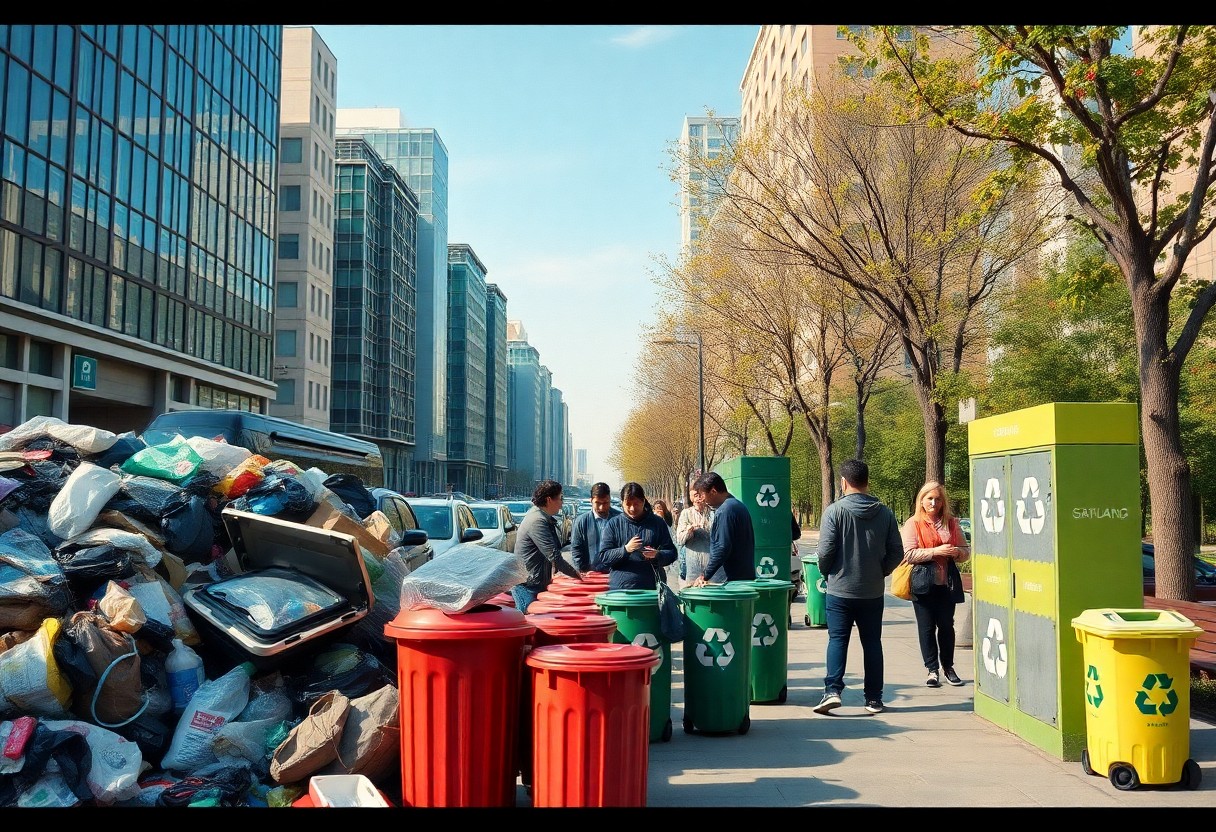
Shifting Perspectives: The Moral Imperative of Waste Management
Addressing waste management isn't merely an environmental task; it reflects a profound moral responsibility. You must consider the implications of your consumption patterns and how they affect the planet and its inhabitants. Realizing that every item discarded contributes to a larger cycle of pollution and resource depletion challenges you to rethink your role in this equation. Adopting waste-reducing practices today ensures a healthier, more sustainable world tomorrow, equipping future generations with the opportunity to thrive.
Recognizing Our Responsibility to Future Generations
Your actions today directly impact the quality of life your children and grandchildren will experience. By embracing sustainable waste management practices, you protect natural resources and maintain ecological balance. Each effort, from recycling to reducing plastic use, accumulates, fostering a healthier environment for those who will inherit this planet. Fulfilling your responsibility ensures they have access to clean air, water, and safe living conditions, embodying a legacy of stewardship.
The Ethical Dimensions of Consumption and Waste
Understanding the ethical implications of your consumption habits prompts a reassessment of how deeply ingrained behaviors shape societal norms. Every product you purchase has a lifecycle, from resource extraction to disposal, influencing environmental health and community well-being. By cultivating awareness about where goods come from and their impact on the world, you take a significant step toward ethical consumption. Shifting your mindset can lead to a more conscious relationship with resources, reducing waste significantly.
The ethical dimensions of consumption and waste underscore your duty as a consumer to engage in choices that promote sustainability. The average person generates over 4 pounds of waste every day, contributing to the staggering annual total of 292.4 million tons in the U.S. alone. By questioning the necessity of single-use items, prioritizing products from responsible companies, and advocating for better waste management policies, you can challenge the status quo. In doing so, you foster a culture that prioritizes resource conservation over mindless consumption, thereby creating a ripple effect that encourages others in your community to follow suit.
Summing up
Drawing together the critical elements of waste management, you must recognize that it directly impacts environmental health, resource preservation, and community well-being. As population growth and consumption rise, effective waste management practices become imperative for reducing pollution and conserving natural resources. Engaging in sustainable waste practices not only benefits your local environment but also fosters a culture of responsibility that can inspire broader societal change. Your active participation in waste management solutions is not only necessary; it shapes the future of your community and planet.
FAQ
Q: Why is waste management important for environmental protection?
A: Effective waste management reduces pollution, conserves natural resources, and protects ecosystems from harmful waste by ensuring proper disposal and recycling methods.
Q: How does waste management impact public health?
A: Poor waste management can lead to the spread of diseases and health hazards, as improperly disposed waste often attracts pests and creates unsanitary conditions that affect community health.
Q: What role does waste management play in resource conservation?
A: Waste management promotes recycling and reuse of materials, which decreases the demand for raw resources, thereby conserving natural habitats and reducing energy consumption associated with resource extraction.
Q: How can waste management mitigate climate change?
A: Efficient waste management practices, such as composting and recycling, help reduce greenhouse gas emissions from landfills and promote sustainable practices that reduce the overall carbon footprint.
Q: Why is waste management important for economic growth?
A: By creating jobs in the recycling and waste processing sectors, promoting sustainable practices, and reducing the costs associated with environmental cleanup, effective waste management supports economic development.
Q: What is the relationship between waste management and community aesthetics?
A: Proper waste management enhances the visual appeal of communities, reducing litter and waste accumulation, which contributes to a better quality of life for residents and encourages community engagement.
Q: How does waste management influence sustainability practices?
A: Waste management is a key component of sustainability, as it encourages the development of systems that minimize waste generation, promote recycling, and foster a circular economy that benefits future generations.