

It's imperative to understand that waste management poses significant challenges that impact your health, the environment, and the economy. Poor waste management leads to pollution, which can harm your community and natural resources. You may not realize that landfills produce harmful gases and can contaminate local soil and water. Ineffective recycling practices further exacerbate the issue, contributing to the depletion of natural resources. By addressing waste management effectively, you can help create a cleaner and safer environment for yourself and future generations.
Key Takeaways:
- Improper waste disposal leads to environmental pollution, affecting air, water, and soil quality.
- Increased waste generation strains landfill capacities, leading to overflow and hazardous conditions.
- Waste mismanagement contributes to public health issues, including the spread of diseases and respiratory problems.
- Resource depletion occurs as recyclable materials are wasted, hindering sustainability efforts.
- Economic costs rise due to cleaning up polluted areas and managing waste systems inefficiently.
The Environmental Toll: Unpacking Waste Accumulation
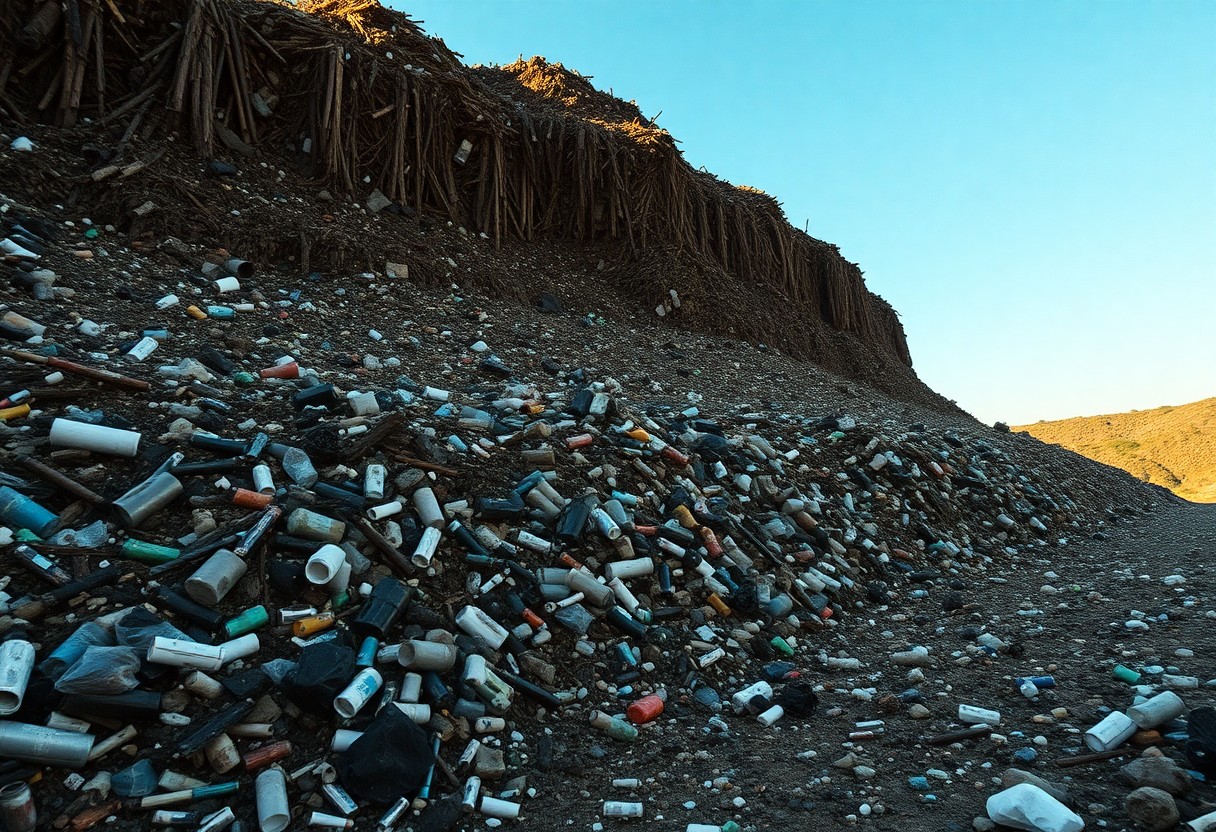
Waste accumulation directly affects your environment by leading to habitat destruction and increased pollution. As landfills overflow and plastic clutters ecosystems, the natural balance is disrupted, causing long-term damage to air, soil, and water resources. Urban areas face heightened risks as improper disposal methods allow toxins to seep into the ground, affecting both human health and wildlife.
Landfills: A Breeding Ground for Pollution
Landfills serve as a major source of pollution, releasing harmful greenhouse gases like methane and allowing leachate to contaminate local water supplies. The decomposition process creates an anaerobic environment, leading to odors and attracting pests, further complicating public health issues. You may not realize that every ton of waste generates several tons of CO2 equivalent, accelerating climate change.
The Impact of Oceanic Waste: Marine Life at Risk
Oceanic waste is devastating marine ecosystems, with millions of tons of plastic entering oceans annually. This pollution harms species you may enjoy, like turtles and seabirds, which ingest or become entangled in debris. Toxic substances leach from plastics, entering the food chain and threatening the entire marine environment.
With an estimated 8 million metric tons of plastic waste entering the ocean each year, marine life faces catastrophic consequences. Species such as sea turtles mistake plastic bags for jellyfish, leading to fatal ingestion. Microplastics are found in the stomachs of fish you might consume, raising serious health concerns for you and other consumers. Coral reefs, vital for biodiversity, are suffering as they become smothered in waste, affecting whole ecosystems. The cascading impacts of oceanic waste extend far beyond water quality, threatening not just marine creatures but also the livelihoods of communities dependent on healthy oceans.
Economic Consequences: The Cost of Poor Management
Poor waste management results in significant economic consequences, affecting both local and national economies. Inadequate systems lead to increased landfill costs, cleanup expenses from pollution, and potential fines. Communities that struggle with waste management often face rising taxes and a decrease in property values due to unsightly waste sites. This financial burden not only strains public resources but also diverts funds from crucial services such as education and infrastructure improvement.
Hidden Expenses: The Financial Burden on Communities
Hidden expenses in waste management manifest as unforeseen costs, including health care related to pollution exposure and expenditures for emergency services responding to waste-related incidents. Communities may find themselves facing higher utility fees as waste disposal becomes more expensive, particularly if landfill options become limited. These additional financial burdens can be overwhelming, particularly for low-income neighborhoods where resources are already stretched thin.
Resource Wastage: The Economic Ripple Effect
Resource wastage from poor waste management leads to a significant economic ripple effect, impacting job markets and local economies. When materials are simply discarded, you not only lose potential revenue from recycling but also contribute to the depletion of natural resources that drive industries. This loss can result in job layoffs in manufacturing sectors reliant on recycled materials, affecting local employment rates and household incomes.
The economic ripple effect extends beyond immediate financial losses when resources are wasted. For example, the global recycling market is valued at over $300 billion, and countries that fail to manage waste effectively miss out on this lucrative sector. As demand for raw materials rises, communities that do not invest in innovative waste management strategies may inadvertently drive up prices, making products more expensive for consumers. Additionally, local businesses suffer when raw materials become scarce due to poor resource management, leading to a decline in economic stability and growth.
Social Implications: Community Health and Well-being
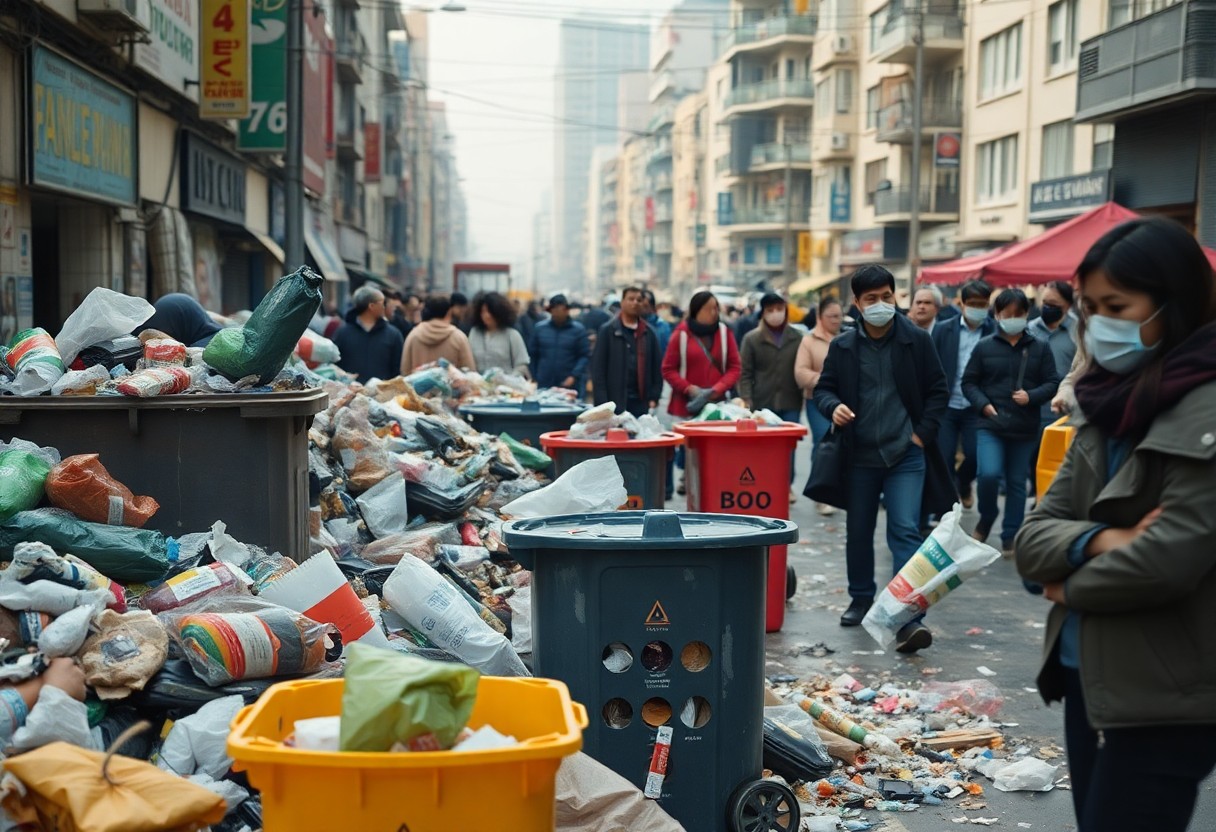
Waste management's failures extend beyond environmental concerns, directly impacting community health and well-being. Ineffective disposal methods and overflowing landfills expose communities to hazardous materials, leading to increased respiratory issues and psychological stress among residents. As waste accumulates, public spaces degrade, diminishing quality of life and fostering community disengagement.
Public Health Risks: Pollutants and Disease Spread
Improper waste disposal creates significant public health risks, as toxins leach into the air and water supply. Contaminated environments promote the spread of vector-borne diseases like dengue fever and Zika, particularly in urban areas with inadequate waste management systems. Exposure to these pollutants often results in adverse health effects, compelling local authorities to act swiftly.
Social Inequities: Disproportionate Burden on Vulnerable Populations
Vulnerable populations often face a greater burden from waste mismanagement, experiencing higher exposure to harmful waste sites. Communities located near landfills or incinerators report higher rates of illness due to toxic exposure. These disparities highlight systemic inequities in environmental health, as marginalized groups endure the fallout of inadequate waste disposal.
In many cases, the most impacted communities lack the resources to advocate for change, perpetuating the cycle of inequity. For example, neighborhoods with lower socioeconomic status often find themselves near landfills, leading to increased incidents of asthma and other chronic diseases. Statistics show that these populations are not only more likely to experience health-related issues due to their proximity to hazardous waste but also face challenges in accessing quality healthcare. This combination of factors underscores the urgent need for equitable waste management solutions that prioritize the health of all communities, particularly those already facing socioeconomic challenges. By addressing these issues, you can help pave the way for a healthier environment and promote social justice within waste management.
Innovative Solutions: Rethinking Waste Strategies
Exploring innovative solutions reveals a path forward in waste management, emphasizing the need for comprehensive strategies that prioritize sustainability. By adopting a multi-faceted approach, you can address the complexities of waste through enhanced recycling programs, community engagement initiatives, and investment in renewable resources. Collaboration among industries, governments, and individuals will empower you to transform waste management into a proactive rather than reactive endeavor.
Circular Economy: Redesigning Consumption Patterns
A circular economy redefines how you view consumption by focusing on reducing waste through continuous resource cycling. By prioritizing product life cycles, companies can design items for longevity and recyclability, allowing you to make environmentally conscious purchasing decisions. Techniques like remanufacturing and upcycling ensure that materials remain in use longer, ultimately mitigating landfill overflow.
Technological Advancements: The Role of Innovation in Waste Management
Technological advancements revolutionize waste management practices, equipping you with tools to decrease waste generation effectively. From smart bins that monitor waste levels to AI-driven sorting systems in recycling facilities, technology is making waste management more efficient. Innovative apps can facilitate better waste disposal choices, while data analytics allow municipalities to optimize collection routes, saving resources and reducing emissions.
Innovative technologies, such as machine learning algorithms and smart waste sensors, have significantly improved waste management efficacy. For instance, cities employing AI-driven systems for collection routes can realize a 20% reduction in fuel costs, while real-time monitoring systems in recycling plants can enhance sorting accuracy by over 30%. Additionally, biodegradable materials and waste-to-energy technologies are pushing the boundaries of traditional waste management by converting refuse into valuable energy sources, thereby decreasing the volume sent to landfills by millions of tons annually.
Policy and Regulation: Bridging the Gap in Waste Management
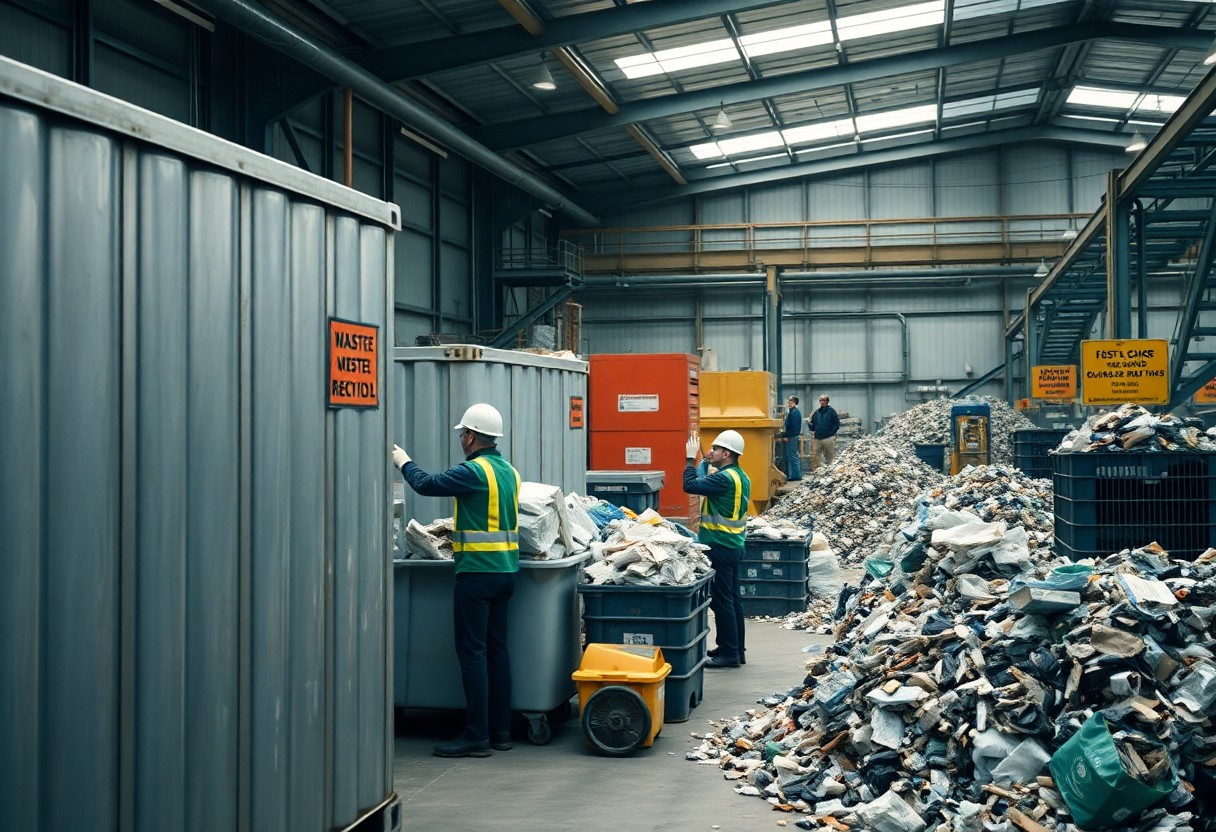
Effective waste management hinges on robust policy and regulation that can adapt to evolving challenges. Striking a balance between environmental sustainability and economic growth remains a challenge as existing frameworks often fall short of addressing local needs and global objectives. You must understand how these policies can effectively mitigate waste issues while encouraging community engagement and compliance.
Existing Frameworks: Evaluating Current Regulations
Your understanding of current waste management regulations is vital. Existing frameworks often present a patchwork of local, state, and federal laws that lack coherence and enforcement. For instance, in the United States, the Resource Conservation and Recovery Act (RCRA) governs hazardous waste management, but many municipalities struggle to implement effective recycling programs due to limited resources and oversight. This inconsistency leads to gaps in addressing modern waste challenges.
Future Directions: Proposals for Effective Governance
Future waste management governance requires innovative approaches that prioritize circular economy principles and community engagement. You can advocate for policies that promote sustainable practices, incentivize waste reduction, and foster public-private partnerships. Developing localized strategies tailored to specific community needs will enhance compliance and participation, ultimately leading to a more efficient waste management system.
Integrating technology in waste management governance offers promising opportunities. For instance, leveraging data analytics and IoT devices can optimize collection routes and monitor waste levels, reducing operational costs. Additionally, implementing educational programs can empower communities to participate actively in waste reduction initiatives. Participatory governance, where citizens collaborate with policymakers, ensures that solutions are practical and tailored to real-world contexts. This multifaceted approach not only addresses regulatory gaps but also engages you and your community in sustainable practices for a cleaner future.
To wrap up
On the whole, waste management is a pressing issue that affects you directly. Improper disposal of waste can lead to environmental damage, health risks, and economic burdens in your community. By failing to address waste effectively, you contribute to pollution, resource depletion, and the loss of habitat for wildlife. Understanding the implications of waste mismanagement empowers you to take action, whether through recycling, reducing consumption, or advocating for better policies. A collective effort is necessary to create a sustainable future for yourself and generations to come.
FAQ
Q: Why is waste management a problem?
A: Waste management is a problem due to the increasing volume of waste generated, which exceeds the capacity of existing disposal systems.
Q: What are the environmental impacts of poor waste management?
A: Poor waste management leads to pollution of air, water, and soil, contributing to health issues and harming ecosystems.
Q: How does waste management affect public health?
A: Inadequate waste management can result in the spread of diseases, attract pests, and create hazardous living conditions.
Q: Why is recycling not enough to solve waste issues?
A: While recycling helps, it does not address the root issue of overproduction and excessive consumption of goods leading to waste.
Q: What challenges do municipalities face in waste management?
A: Municipalities face challenges such as insufficient funding, lack of infrastructure, and public opposition to waste facilities.
Q: How does urbanization impact waste management?
A: Urbanization increases population density, resulting in higher waste generation that strains existing waste management systems.
Q: What role does consumer behavior play in waste management problems?
A: Consumer behavior drives demand for single-use products and packaging, exacerbating the waste crisis and complicating disposal efforts.