

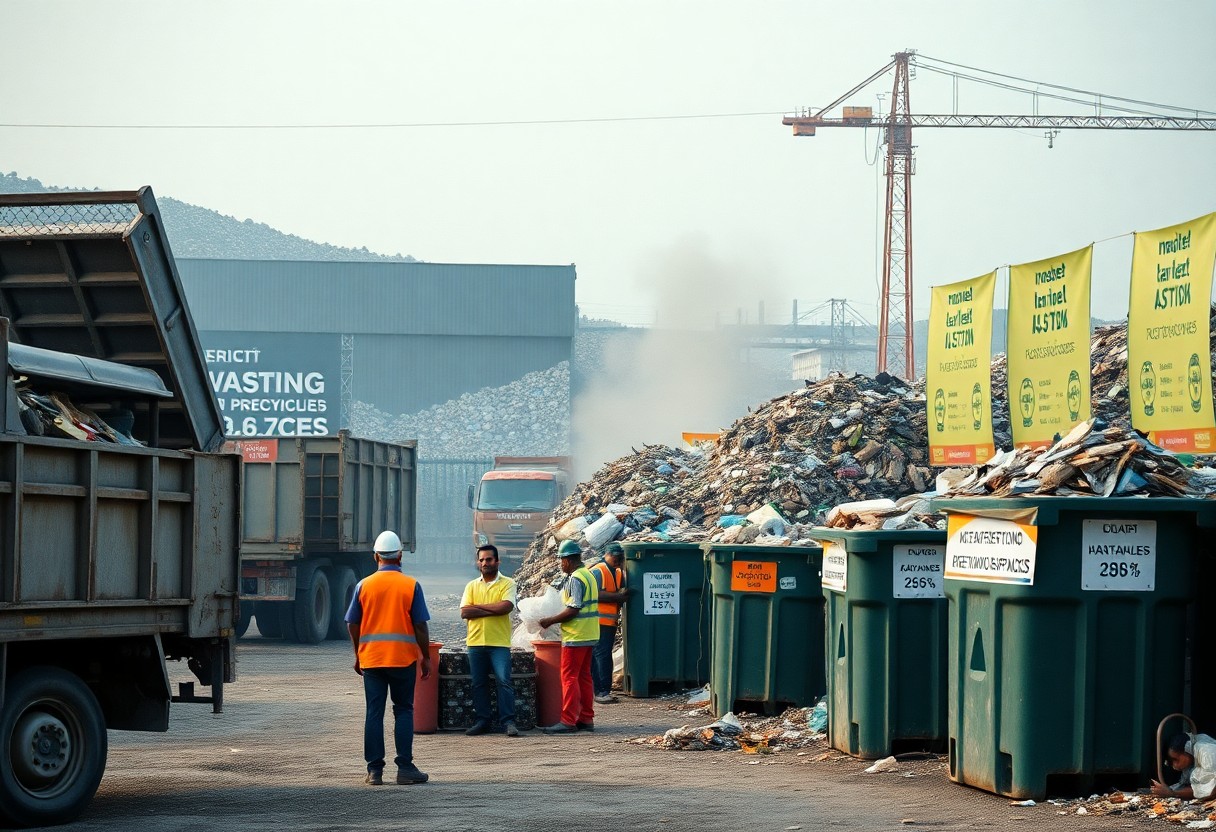
Just understand that effective waste management is crucial for improving your community's health and environment in India. Poor waste practices lead to pollution, which affects air and water quality, directly impacting your well-being. By managing waste properly, you contribute to a sustainable future, reducing landfill use and conserving resources. Implementing proper waste segregation and disposal not only minimizes risks but also promotes environmental awareness and responsibility. Your efforts can transform your surroundings and foster a cleaner, healthier nation.
Key Takeaways:
- Improves public health by reducing disease transmission and environmental pollution.
- Supports sustainable urban development and enhances quality of life in communities.
- Contributes to resource conservation through recycling and waste reduction.
- Mitigates climate change impacts by managing greenhouse gas emissions from waste.
- Promotes economic opportunities through waste management industries and jobs.
The Ecological Health Crisis: Why Waste Management Matters
The growing volume of waste in India poses severe challenges to the ecological balance, threatening both human health and biodiversity. Poor waste management leads to land and water contamination, compromising ecosystems and the survival of various species. You may find it alarming that improper disposal contributes to increased pest populations and the spread of diseases. This crisis necessitates immediate action, not only for environmental preservation but also for safeguarding the health of future generations.
The Impact of Waste on India's Biodiversity
Waste mismanagement directly impacts India's rich biodiversity, causing numerous species to face extinction. Pollutants and non-biodegradable materials infiltrate habitats, disrupting food chains and altering ecosystems. You might be surprised to learn that marine life, particularly in coastal areas, suffers immensely due to plastic debris, leading to deaths of sea turtles and fish. Preserving biodiversity is imperative for maintaining ecological balance and ensuring that future generations can experience nature's beauty.
The Correlation Between Waste and Air/Water Quality
Your surroundings are significantly influenced by waste management practices, affecting both air and water quality. The burning of waste releases toxic pollutants into the atmosphere, exacerbating respiratory issues among populations. Additionally, leachate from landfills contaminates groundwater supplies, posing health risks through unsafe drinking water. Effective waste management can lead to cleaner air and water, contributing to better overall health outcomes.
Poor waste disposal techniques often result in hazardous air pollutants as waste materials burn, releasing dangerous substances like dioxins and particulate matter into your environment. In urban areas, studies indicate that waste incineration contributes to over 30% of air pollution, while unmanaged landfills emit methane, a greenhouse gas significantly contributing to climate change. Water quality is equally compromised, with 70% of India's surface water facing pollution from neglected waste. Proper waste management initiatives can drastically improve the quality of both air and water, enhancing public health and environmental conditions.
Economic Ramifications: The Cost of Ineffective Waste Management
Poor waste management results in significant economic losses for India, straining fiscal resources and hindering development. The costs associated with health care, environmental cleanup, and lost economic productivity due to polluted environments can reach billions annually. Your city's ability to attract investment weakens as waste accumulates, limiting job growth and infrastructure advancements.
Analyzing the Financial Burden on Municipal Bodies
Municipal bodies bear the brunt of ineffective waste management through escalating operational costs. Resources spent on waste collection, landfill maintenance, and public health interventions drain budgets, leaving less for other imperative services. According to recent estimates, cities could save up to 30% of their waste management expenses through better practices, which would directly benefit your community.
The Economic Benefits of Sustainable Waste Practices
Implementing sustainable waste practices can yield impressive economic gains. For example, cities practicing effective recycling can reduce landfill dependence, lowering disposal costs significantly. Innovative waste-to-energy projects not only generate revenue but can also create hundreds of green jobs, leading to an improved local economy. A comprehensive approach to recycling and composting can bring an average savings of Rs. 100-150 crore annually for municipalities, translating into better public services.
A case in point is Indore, which transformed its waste management system to achieve a 100% waste segregation rate and significantly reduced its reliance on landfills. This not only enhanced the city's aesthetics but also resulted in over 1,500 new jobs in waste processing and recycling sectors. By investing in sustainable waste practices, you foster a more efficient, cleaner community that draws in investments and improves the quality of life for residents.
Social Responsibility: The Human Aspect of Waste Management
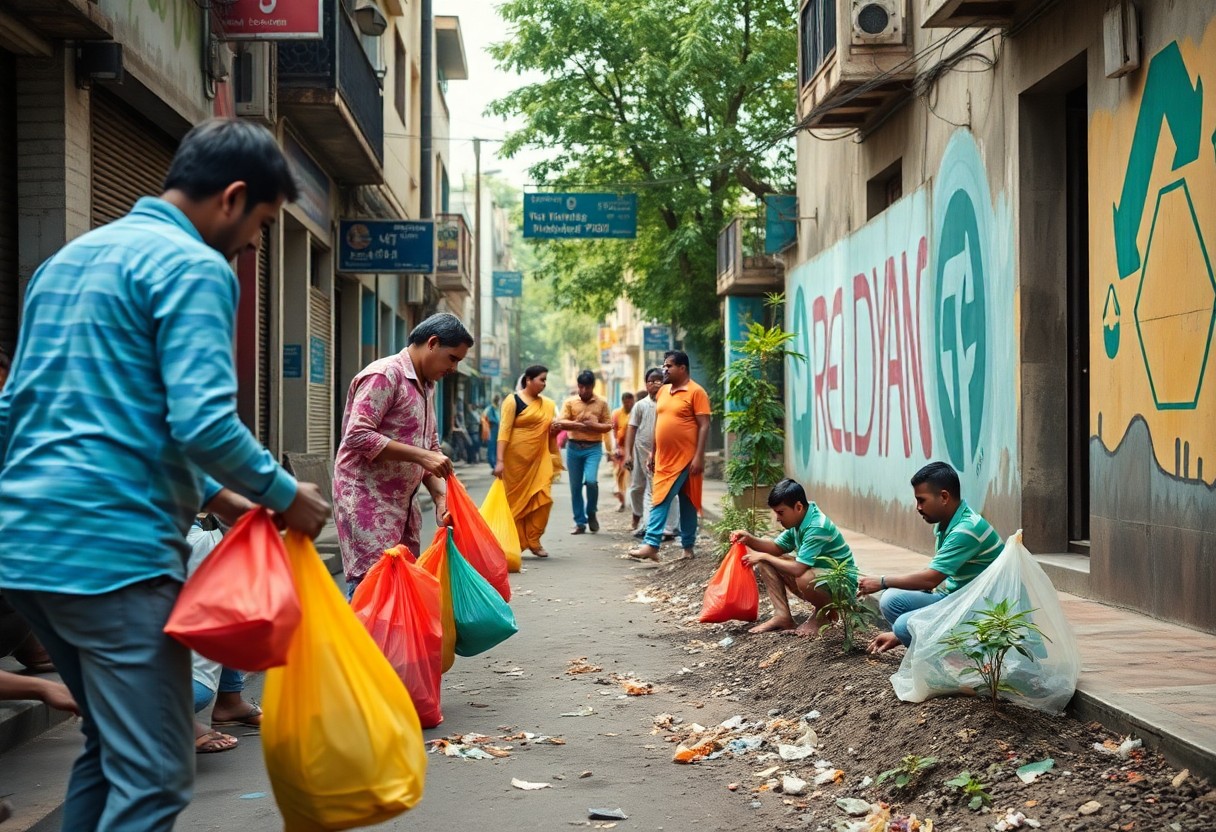
Effective waste management transcends environmental concerns; it embodies a social responsibility that directly affects your community's well-being. You play a pivotal role in shaping attitudes and behaviors towards waste disposal. By embracing sustainable practices, you not only preserve your environment but also enhance quality of life for your neighbors. This collective effort promotes civic pride and fosters a sense of responsibility among individuals, making waste management an integral part of social awareness and community development.
How Poor Waste Management Affects Public Health
Poor waste management directly endangers your health and the health of your community. Inadequate disposal methods lead to hazardous waste accumulation, fostering breeding grounds for disease-carrying pests such as mosquitoes, which can spread illnesses like dengue and malaria. The presence of toxic substances in landfills can contaminate water sources and air quality, resulting in respiratory issues and other long-term health complications. The connection between waste management and public health is clear; your safety relies on responsible waste practices.
The Role of Community Initiatives in Behavior Change
Community initiatives effectively inspire you and your neighbors to adopt better waste management practices. Programs aimed at education and awareness not only inform but also empower you to take action. Local clean-up drives, recycling workshops, and awareness campaigns can lead to significant shifts in behaviors and attitudes surrounding waste disposal. These initiatives create an environment that motivates collective change, showing that even small efforts can drive a larger movement towards sustainable living.
Initiatives like community clean-up days and mentoring programs drive impactful behavior changes by showcasing the tangible benefits of proper waste management. For instance, the Swachh Bharat Abhiyan campaign has mobilized millions across India, resulting in improved sanitation and reduced waste in public spaces. When you engage in these initiatives, you not only contribute to a cleaner environment but also inspire others to act, creating a ripple effect that emphasizes collective responsibility. By participating in these programs, you help cultivate a culture of sustainability that resonates through the community, illustrating that positive change is achievable when people come together.
Government Policies and Regulations: The Framework for Change
Government policies and regulations shape the landscape of waste management in India. They provide a comprehensive framework that aims to reduce waste generation, promote recycling, and ensure effective disposal. By outlining responsibilities for municipal bodies, industries, and citizens alike, these policies foster a collective effort towards sustainable waste management practices, on which your community's health depends.
Key Legislation in India's Waste Management Strategy
Key legislation, such as the Solid Waste Management Rules, 2016 and the Plastic Waste Management Rules, 2016, establish specific guidelines for waste segregation, collection, and processing. These laws mandate the use of scientifically sound waste management methods and place emphasis on reducing plastic usage. As you navigate these regulations, understanding their implications can help you contribute to a cleaner environment.
The Challenges of Implementation and Compliance
Implementation of waste management laws faces hurdles, including inadequate infrastructure, lack of public awareness, and weak enforcement mechanisms. Many municipalities struggle with insufficient funds and resources to develop effective waste management systems, while public compliance often falters due to a lack of education on waste segregation and disposal methods. Your role in supporting these initiatives can make a significant difference.
Addressing the challenges in implementing waste management regulations requires a multi-faceted approach. In many urban areas, insufficient infrastructure hampers effective waste collection and processing, leaving vast amounts of waste unaddressed. Public awareness campaigns are often inadequate, leading to poor compliance with segregation practices that are crucial for recycling. Additionally, enforcement of existing laws tends to be weak, particularly in rural regions where resources and personnel are limited. Strengthening community engagement and investing in technology can significantly improve your local waste management practices, ultimately leading to a cleaner environment.
Innovative Solutions and Technologies: The Future of Waste Management
Innovative solutions and technologies are reshaping India's waste management landscape, driving efficiency and sustainability. By integrating advanced systems like smart bins, AI-driven waste sorting, and automated collection, you're witnessing a significant reduction in overflowing landfills and enhanced recycling rates. As cities embrace digital platforms for waste tracking and management, the future reveals not only cleaner environments but also economic opportunities within the green sector, promoting community engagement and environmental stewardship.
Breakthroughs in Waste-to-Energy Initiatives
India's waste-to-energy initiatives are proving transformative in managing solid waste while generating renewable energy. Facilities converting organic waste into biogas or electricity can mitigate landfill overflow and cut greenhouse gas emissions. For instance, the Delhi Waste-to-Energy plant processes over 1,500 tons of waste daily, producing around 24 MW of electricity, showcasing a potent model for sustainable energy production from waste.
The Role of Technology in Improving Recycling Processes
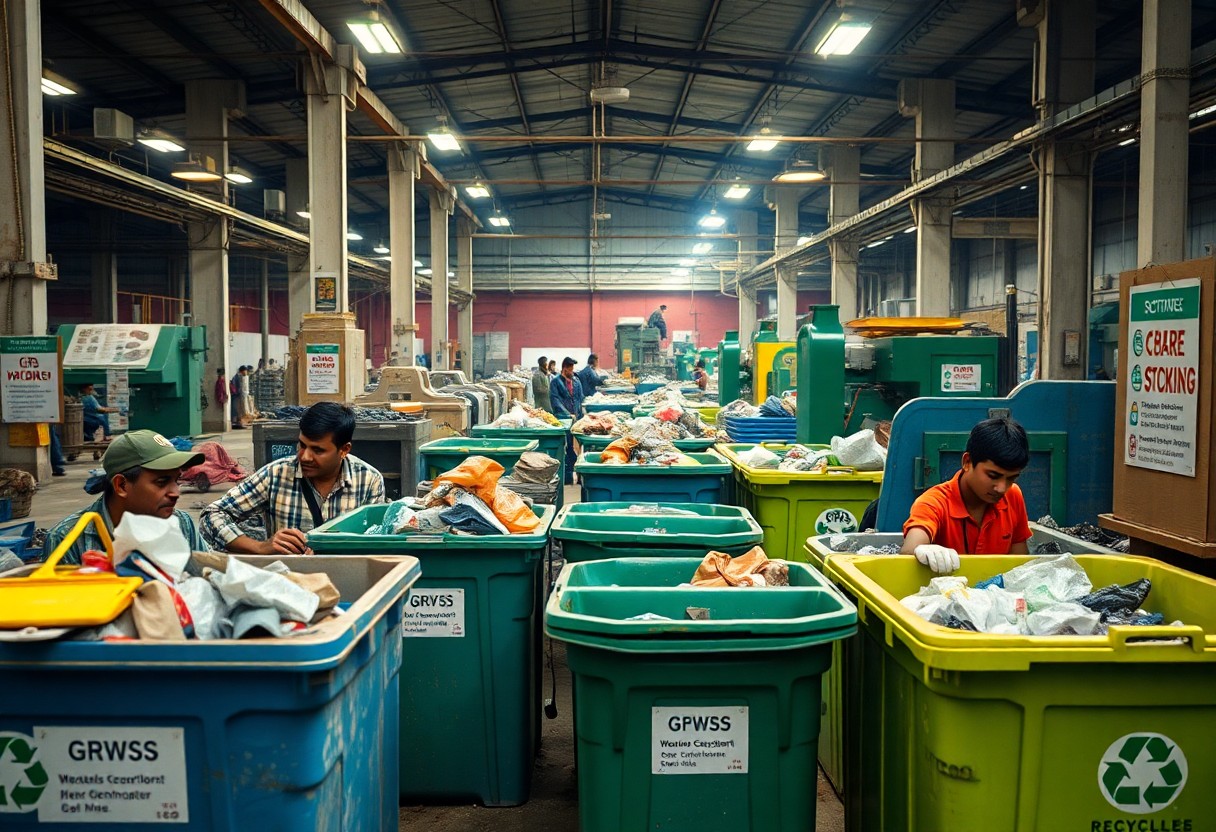
Advancements in technology are dramatically enhancing recycling processes across India. With automated sorting technologies and AI-driven analytics, you can expect higher accuracy and efficiency in identifying recyclable materials, thereby increasing the volume processed. For example, India is rapidly adopting optical sorting machines that separate recyclables more effectively than manual methods, leading to less contamination and improved quality of recycled products.
These technologies, such as AI and machine learning, are revolutionizing the recycling sector by optimizing sorting lines and reducing human error. Smart recycling bins equipped with sensors can separate waste at the source, informing users about potential recyclables. This not only increases recycling rates but also fosters responsible consumer behavior. Additionally, innovations like blockchain for tracking recyclable materials ensure transparency and accountability throughout the supply chain, ensuring that your efforts in recycling contribute to a sustainable circular economy.
To wrap up
Ultimately, effective waste management in India is vital for protecting your environment, public health, and the economy. By reducing pollution, you contribute to cleaner air and water, which is imperative for your well-being and that of future generations. Proper waste disposal and recycling can also promote sustainable resource use, helping to preserve natural habitats. By prioritizing waste management practices in your community, you play a significant role in fostering a healthier planet and enhancing the quality of life for everyone.
FAQ
Q: Why is waste management important for public health in India?
A: Effective waste management reduces the risk of diseases caused by waste accumulation, ensuring cleaner environments and healthier communities.
Q: How does waste management contribute to environmental sustainability in India?
A: Sustainable waste management practices help in conserving natural resources, reducing pollution, and maintaining biodiversity, ultimately supporting environmental balance.
Q: What role does waste management play in urban development in India?
A: Proper waste management is vital for urban planning and infrastructure, creating livable spaces and promoting improved quality of life in cities.
Q: How does poor waste management affect the economy of India?
A: Inefficient waste management leads to increased health costs, loss of productivity, and environmental degradation, negatively impacting overall economic growth.
Q: What impact does waste management have on climate change in India?
A: Effective waste management reduces greenhouse gas emissions from landfills and promotes recycling, helping to mitigate the effects of climate change.
Q: How can waste management practices lead to job creation in India?
A: Investing in waste management creates employment opportunities in collection, sorting, recycling, and processing, contributing to economic development.
Q: Why is public awareness about waste management vital in India?
A: Public awareness encourages responsible waste disposal, promotes recycling initiatives, and fosters community participation, leading to more effective waste management solutions.