

Most people underestimate the importance of effective waste management in safeguarding public health and protecting the environment. By managing waste properly, you can reduce the risk of pollution and ensure a cleaner, more sustainable community. Waste management also contributes to resource conservation, making it possible to recycle and reuse materials, which not only benefits your local area but also addresses global issues like climate change. Prioritizing waste management is not just beneficial; it is imperative for creating a safer, healthier world for you and future generations.
Key Takeaways:
- Prevents environmental pollution and protects ecosystems.
- Reduces health risks associated with improper waste disposal.
- Conserves natural resources through recycling and reuse.
- Enhances community aesthetics and quality of life.
- Promotes sustainable practices for future generations.
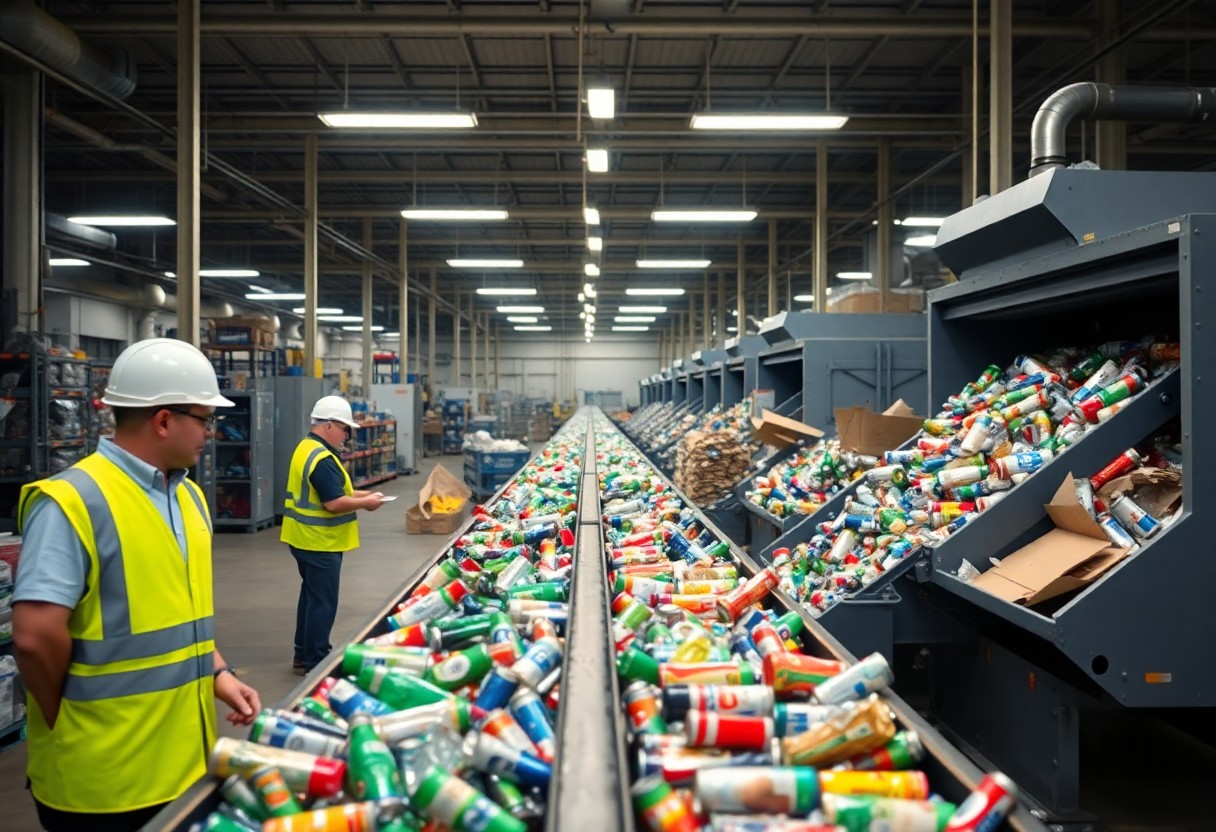
The Environmental Imperative
Waste management serves as a vital line of defense against environmental degradation. Effective systems ensure that waste is disposed of sustainably, reducing pollution and greenhouse gas emissions. Unmanaged waste infiltrates natural habitats, affecting biodiversity and altering ecosystems. With rising population and consumption, your role in supporting waste management initiatives becomes increasingly significant to mitigate these effects.
Consequences of Neglected Waste
Ignoring waste management leads to severe environmental consequences. Accumulated waste can contaminate soil and water sources, releasing harmful chemicals but also breeding disease vectors such as rodents and insects. Landfills emit potent greenhouse gases, exacerbating climate change, while mismanaged plastics suffocate marine life—each of these consequences directly impacting you and your community.
The Ripple Effect on Ecosystems
Uncontrolled waste not only directly harms local environments but sends ripples through entire ecosystems. Pollutants from neglected waste diminish water quality, leading to decreased fish populations and altered food chains, affecting species diversity. Furthermore, invasive species often thrive in mismanaged waste habitats, jeopardizing native wildlife. Your choices in waste management can disrupt this cycle, promoting healthier ecosystems and protecting biodiversity.
In marine environments, for example, plastic waste can entangle sea turtles and birds, while chemicals leaching into water bodies disrupt the reproductive cycles of aquatic creatures, significantly reducing their populations. Habitat destruction caused by landfill expansion further alters ecosystems, pushing species towards extinction. These interconnected systems highlight the necessity of effective waste management strategies, as your actions can either contribute to or alleviate these pressing environmental issues. When you prioritize responsible disposal and recycling, you support the intricate balance of ecosystems, ensuring a sustainable future for all species, including your own.
Health Hazards and Public Safety
Poor waste management poses significant health risks to communities, as untreated waste accumulates and attracts disease-carrying pests. Contaminated air, soil, and water sources can lead to respiratory illnesses, gastrointestinal infections, and long-term health problems. Your exposure to hazardous waste can result in debilitating conditions, undermining the overall safety of your living environment.
Impact of Waste on Community Health
Inadequate waste disposal leads to increased instances of vector-borne diseases, such as malaria and dengue fever, which thrive in places with stagnant waste. Polluted environments foster infections, particularly among vulnerable populations, including children and the elderly. Your community's health can directly decline when waste management systems fail, resulting in greater healthcare costs and diminished quality of life.
The Link Between Waste Management and Disease Prevention
Effective waste management minimizes exposure to harmful substances and reduces the spread of diseases. Proper disposal and treatment of waste can prevent the contamination of water sources and the proliferation of disease vectors. You contribute to a healthier community by ensuring proper waste handling and disposal practices are in place, fostering an environment where diseases are less likely to flourish.
Research indicates that cities with robust waste management systems have experienced a marked decrease in disease prevalence. For instance, a study in India found that neighborhoods implementing effective waste segregation and disposal witnessed a 30% drop in gastrointestinal diseases within a year. By actively participating in proper waste management, you not only protect your health but also enhance the overall wellbeing of your community, creating a sustainable environment that diminishes health risks associated with poor waste practices.
Economic Advantages of Proper Waste Handling
Effective waste management presents substantial economic benefits, enhancing both community welfare and business operations. By implementing robust waste management practices, you can significantly reduce expenditures associated with waste disposal, recyclable materials, and environmental clean-ups. Moreover, communities experience heightened attraction for investments and tourism when waste is appropriately managed, leading to improved local economies.
Cost Savings Through Effective Waste Reduction
Implementing waste reduction strategies allows you to achieve considerable cost savings. By minimizing waste at the source, businesses can lower disposal fees and extend the lifespan of landfills, avoiding the expenses tied to landfill expansion. Additionally, many organizations report reduced operating costs after adopting practices such as recycling and composting, further solidifying waste reduction as a financially beneficial approach.
Job Creation in the Waste Management Sector
The waste management sector is a growing field, generating numerous job opportunities. As the demand for efficient waste handling increases, new roles arise in collection, sorting, recycling, and waste processing. Investing in sustainable waste management not only fosters skilled labor development but also contributes to local economies through job creation.
In recent years, the waste management industry has seen a significant uptick in employment. According to the U.S. Bureau of Labor Statistics, jobs in waste management are projected to grow by approximately 12% from 2020 to 2030, outpacing the average growth rate for all occupations. Roles such as recycling coordinators, waste management technicians, and operations managers are increasingly vital as municipalities aim to improve efficiency and sustainability. This sector not only supports a range of professional positions but also provides accessible employment for individuals seeking careers in green industries.

Legislative Landscape and Compliance
Regulatory frameworks surrounding waste management are designed to enforce standards and safeguard public health. Compliance with these laws not only minimizes environmental impact but also promotes sustainable practices within communities. As regulations frequently evolve, staying informed about legislative changes is crucial for effective waste management strategies. Non-compliance can lead to heavy penalties, impacting your business operations and reputation.
Current Regulations Governing Waste Disposal
In many regions, waste disposal is subject to strict regulations that dictate how different types of waste must be managed. For instance, the Resource Conservation and Recovery Act (RCRA) in the U.S. establishes standards for hazardous waste treatment and disposal, ensuring that you handle materials responsibly. Adhering to local, state, and federal laws is vital, as violations can result in severe legal repercussions and financial liability.
The Importance of Compliance for Businesses
Compliance with waste management regulations is fundamental for businesses aiming to protect their bottom line. Non-compliance can lead to substantial fines, legal action, and damage to your brand reputation. Engaging in responsible waste management demonstrates your commitment to sustainability, helping to build trust with customers and stakeholders. Furthermore, many consumers now prefer businesses that prioritize environmental responsibility, potentially enhancing sales and customer loyalty.
Furthermore, regulatory compliance often opens access to various incentives, including grants for sustainable practices and tax benefits. For instance, businesses that adopt eco-friendly waste management methods may qualify for reductions in waste disposal fees or receive government funding for recycling programs. Such advantages can significantly lower operational costs while allowing you to channel resources into more impactful areas of your business. Making compliance a priority not only protects you legally but also creates a competitive edge in an increasingly environmentally conscious market.

Innovations Driving Sustainable Practices
Innovations in waste management technologies are reshaping how communities handle waste and strive for sustainability. Developments such as smart bins equipped with sensors provide real-time data on waste levels, optimizing collection routes and reducing operational costs. Additionally, advancements in composting techniques and waste-to-energy processes maximize resource recovery, contributing to a circular approach that minimizes landfill contributions. As awareness increases, these technologies pave the way for greener initiatives and encourage stakeholder participation in sustainable practices.
Emerging Technologies in Waste Management
Your understanding of waste management can expand through new technologies revolutionizing the industry. For example, AI-driven sorting systems increase recycling rates by 20% as they efficiently separate materials at facilities. Robotics are also being implemented to handle hazardous waste, ensuring safety for workers while improving efficiency. These emerging technologies not only streamline processes but also enhance accuracy, leading to better outcomes in waste reduction and resource recovery.
Circular Economy: Rethinking Waste as a Resource
The circular economy model encourages you to view waste as a resource rather than a problem. By integrating waste recovery systems into production cycles, materials can be reused and recycled, drastically cutting down on resource extraction. This approach fosters innovation and collaboration between industries, ultimately leading to a more sustainable economy where products are designed for longevity and ease of recycling.
Adopting the circular economy involves significant shifts in mindset and practice. For instance, companies like Patagonia promote repairing products to extend their lifecycle while Unilever develops packaging made entirely from recycled materials. By reevaluating end-of-life product scenarios, businesses can reduce waste substantially and create new revenue streams. As you embrace these principles, not only do you contribute to environmental preservation, but you also encourage a sustainable business model that prioritizes long-term ecological balance and economic viability.
Conclusion
The necessity of waste management stems from your responsibility to protect the environment and public health. By properly managing waste, you can reduce pollution, conserve natural resources, and promote sustainable practices. Effective waste management helps minimize the spread of disease, enhances your community's aesthetic appeal, and contributes to a healthier ecosystem. Your active participation not only benefits your surroundings but also sets a positive example for others, creating a collective effort toward a cleaner planet.
FAQ
Q: Why is waste management important for public health?
A: Effective waste management prevents the spread of diseases by reducing exposure to hazardous materials and ensuring that waste is disposed of in a safe manner.
Q: How does waste management protect the environment?
A: Waste management reduces pollution and conserves natural resources by promoting recycling and proper disposal of waste, thereby minimizing environmental degradation.
Q: What role does waste management play in resource conservation?
A: Waste management facilitates recycling and reuse, which helps conserve valuable resources and reduces the demand for raw materials.
Q: Why is waste management crucial for economic growth?
A: Efficient waste management can lead to job creation in recycling and waste processing industries, driving economic development and sustainability.
Q: How does waste management enhance community aesthetics?
A: Proper waste management ensures cleaner public spaces, enhancing the visual appeal of communities and fostering a sense of pride among residents.
Q: What impact does waste management have on climate change?
A: Proper waste management reduces greenhouse gas emissions by minimizing the amount of waste sent to landfills, which contribute to climate change.
Q: How is waste management linked to sustainability practices?
A: Waste management promotes sustainable practices by encouraging waste reduction, recycling, and the responsible consumption of resources, leading to a healthier planet.